Niigata Prefecture offers activities that appeal to a range of interests, from food and drink experiences to outdoor adventures and cultural attractions. This guide covers what you can actually do in the region, helping you plan activities that match your travel style. Whether you’re visiting for a weekend or spending a week, these suggestions provide options beyond just sightseeing.
Taste Your Way Through Sake Breweries
Niigata produces more sake than any other prefecture in Japan, with over 90 breweries creating distinct styles and flavors. Visit breweries to see the production process, learn about rice varieties and fermentation methods, and taste different sake types. Many breweries offer tours showing traditional equipment alongside modern brewing facilities.
Several breweries cluster in specific areas, allowing visitors to visit multiple locations in one day. Ponshukan at Niigata Station lets you sample over 100 local sake varieties through a clever vending machine system. You buy tokens, choose your small tasting cups, and try as many varieties as your tokens allow. This gives you a quick education in regional sake differences without traveling between breweries.
Some breweries require advance reservations for tours, while others welcome walk-in visitors during business hours. English information varies, but staff are generally welcoming, even with language barriers. Buying a bottle directly from the brewery makes a great souvenir and often includes varieties not available elsewhere.
Learn to Make Soba Noodles
Niigata’s buckwheat noodles have a distinctive style called hegisoba, made with seaweed mixed into the dough. Several restaurants and cultural centers offer hands-on soba-making classes where you learn to mix flour, roll the dough, and cut noodles into thin, even strands. The process takes coordination and practice, giving you appreciation for the skill professional soba makers develop.
Classes typically last two to three hours and end with eating the noodles you made. Instructors demonstrate each step, and you work through the process with guidance. Some classes include English instruction or printed guides, while others teach through demonstration and hands-on help.
Making soba sounds simple but requires technique to get the texture right and cut noodles evenly. Even if your noodles turn out uneven or thick, they still taste good and the experience is fun. Classes usually provide aprons and all necessary equipment.
Ski or Snowboard in Powder Snow
Niigata’s mountains receive heavy snowfall each winter, creating excellent conditions for skiing and snowboarding. Echigo-Yuzawa area has multiple ski resorts within easy reach of the train station, some accessible directly by gondola from the station building. This makes day trips from Tokyo possible, arriving in the morning and skiing the same day.
Resorts range from beginner-friendly slopes to challenging terrain for advanced skiers. Equipment rental is available at all resorts, and some offer English-speaking instructors for lessons. The snow quality is consistently good from December through March, with January and February seeing the heaviest snowfall.
Even if you don’t ski, riding gondolas up for mountain views and playing in deep snow provides winter fun. Some resorts have snow parks, sledding areas, and other activities for non-skiers. The snow-covered mountain scenery is beautiful, and warming up afterward with hot drinks or a hot spring bath feels especially good.
Soak in Natural Hot Springs
Hot springs are scattered throughout Niigata, from famous resort towns to small local bathhouses. Echigo-Yuzawa has numerous hot spring facilities where you can soak in mineral-rich water while viewing snowy mountains. Sado Island has seaside hot springs where you bathe while looking out at the ocean. Small towns throughout the prefecture have public bathhouses used by locals.
Day-use bathing is common at most hot spring facilities, so you don’t need to stay overnight to enjoy them. Prices range from a few hundred yen at simple public baths to around 1,000-1,500 yen at nicer facilities with multiple baths and amenities. Most places provide soap, shampoo, and towels for rent if you don’t bring your own.
Hot spring etiquette requires bathing naked in gender-separated facilities. Wash thoroughly at the shower stations before entering the baths. Tattoos can be an issue at some facilities, though attitudes are slowly changing, especially at places used to foreign visitors.
Explore Sado Island’s History and Nature
Sado Island deserves at least a full day to explore properly. Visit the gold mine that operated for 400 years and produced significant wealth for the Tokugawa shogunate. The mine tour takes you through actual tunnels with displays showing historical mining methods. Above ground, museums explain the geology and history of gold production on the island.
Try riding in a tarai-bune, the unique round wooden boats of Sado. These tub-shaped boats were traditionally used by women collecting seaweed and shellfish in shallow waters. Now you can take short rides in calm bays, experiencing this unusual watercraft that looks unstable but handles well in the right conditions.
The island has temples, shrines, traditional villages, and a coastline to explore. Renting a car or bicycle lets you reach places buses don’t frequently serve. The pace on Sado is slower than mainland areas, making it good for relaxing and enjoying rural Japanese island life.
Walk Through Rice Fields and Farming Villages
Niigata produces some of Japan’s best rice, and the countryside is dotted with rice fields that change with the seasons. Spring shows flooded fields reflecting the sky, summer brings green growing rice, and fall turns fields golden before harvest. Walking or cycling through these areas shows agricultural landscapes that feed much of Japan.
Small farming villages dot the countryside, with traditional houses, roadside shrines, and local shops. These areas see few tourists, offering a glimpse of everyday rural life. Farmers often work in fields visible from roads, and you might see traditional farming methods alongside modern machinery.
Roadside stations sell vegetables, rice, and products made by local farmers. These stops are good for trying seasonal produce and regional snacks. The stations often have restaurants serving simple meals using local ingredients at reasonable prices.
Attend a Traditional Performance
Sado Island preserves unique performing arts that developed during centuries of relative isolation. The island has its own style of Noh theater, taiko drumming groups, and folk dances. Kodo, one of Japan’s most famous taiko groups, is based on Sado and occasionally performs there, though it tours internationally most of the year.
Some villages maintain traditional performing arts that locals present at festivals and special events. Checking local event calendars helps find performances during your visit. Even small performances in community centers or shrines provide insight into regional culture and traditions that have been maintained across generations.
The Earth Celebration, held on Sado each August, brings together performers from around the world and traditional island arts. This multi-day festival includes workshops, concerts, and cultural exchanges, though it draws crowds and requires advance planning for accommodation.
Try Fresh Seafood at Local Markets
The Sea of Japan provides abundant seafood that appears fresh in markets and restaurants throughout Niigata. Visit morning markets to see the day’s catch and watch locals buying fish for their meals. Some markets have small restaurants serving breakfast using seafood bought that morning.
Niigata is particularly known for yellowtail in winter, along with crab, shrimp, and other fish. Coastal towns have specialties rooted in local fishing traditions. Trying seafood in different areas lets you taste regional preparation styles and seasonal varieties.
Sushi restaurants in Niigata often offer better value than those in Tokyo while using equally fresh fish. The closer you are to fishing ports, the fresher the seafood and often the lower the prices. Don’t limit yourself to fancy restaurants—simple local places often serve excellent seafood at reasonable costs.
Hike Mountain Trails
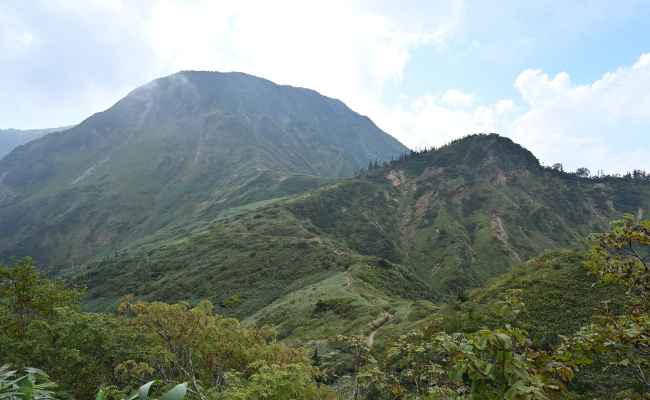
Niigata’s mountains offer hiking from easy nature walks to serious mountain climbing. Trails are well-maintained and marked, though signs are mostly in Japanese. Popular hiking areas include the mountains around Echigo-Yuzawa, Mount Yahiko near the coast, and various trails on Sado Island.
Summer and early fall are the main hiking seasons when trails are snow-free and the weather is generally stable. Spring hiking is possible at lower elevations, but mountain trails may still have snow. Fall brings beautiful autumn colors, especially in October, making it the most popular hiking time.
Proper hiking shoes and weather-appropriate clothing are important, along with water and snacks. Some trails have mountain huts offering food and shelter, while others are day hikes starting and ending at trailheads. Checking trail conditions and weather forecasts before heading out helps ensure safe hiking.
Visit Traditional Craft Workshops
Niigata has several traditional crafts still practiced by skilled artisans. Tsubame-Sanjo area is famous for metalworking, producing high-quality knives, cooking utensils, and other metal goods. Some workshops welcome visitors to see craftsmen at work and sell products directly.
Murakami produces lacquerware and has a tradition of carved wooden screens. The town has workshops and galleries showing various crafts, and some offer hands-on experiences where you can try basic techniques. These experiences give you appreciation for the skill and time that go into handmade items.
Buying crafts directly from makers ensures quality and often costs less than buying through retailers. Many artisans are happy to explain their work and demonstrate techniques, making these visits both educational and shopping opportunities.
Experience Local Festivals
Festivals take place throughout the year in various parts of Niigata, celebrating seasons, harvests, and local traditions. Summer brings many festivals with fireworks, food stalls, and traditional dances. Fall festivals celebrate harvest with displays of local produce and special foods.
The Nagaoka Fireworks Festival in August is one of Japan’s most impressive fireworks displays, with massive shows over the Shinano River. The event draws huge crowds, so accommodation needs booking months in advance. Other smaller festivals throughout the prefecture are easier to attend and often more intimate experiences.
Winter brings snow festivals in mountain areas with snow sculptures, winter sports demonstrations, and local food. These festivals celebrate the heavy snowfall that defines winter life in Niigata’s mountains.
Relax at the Beaches in Summer
Niigata’s coastline has numerous beaches that become popular swimming spots in summer. The water stays cool even in August due to currents from the north, making it refreshing on hot days. Beaches range from developed areas with facilities and rental equipment to quiet stretches with minimal services.
Kashiwazaki area has several good beaches, as does the coast near Niigata City. Sado Island has beaches around its perimeter, some sandy and others rocky with interesting tide pools. Summer weekends see local families at beaches, creating a lively atmosphere.
Beach facilities typically operate from July through August, with lifeguards, rental shops, and nearby restaurants. Outside these months, beaches are open but services aren’t available. The coast is pleasant for walking year-round, with fewer crowds outside summer.
Photograph Seasonal Landscapes
Niigata provides photography opportunities through every season. Winter’s heavy snow transforms landscapes into white scenes broken only by traditional farmhouses and bare trees. Spring brings cherry blossoms and fresh green rice fields. Summer shows lush growth and dramatic clouds over mountains and sea.
Fall is perhaps the most photogenic season, with autumn colors in mountains, golden rice fields before harvest, and clear skies providing good light. Sunrise and sunset along the coast create beautiful light, and traditional buildings provide interesting subjects in rural areas.
Popular photography spots include the rice terraces in Tokamachi, coastal areas around Sado Island, and mountain areas near Echigo-Yuzawa. Lesser-known areas often offer better opportunities, free of crowds of other photographers.
Conclusion
Niigata offers activities suited to different interests and energy levels. You can fill days with active pursuits like skiing and hiking, relax with hot springs and sake tasting, or explore cultural traditions through crafts and performances. The region works well for independent exploration, though planning ahead helps ensure you can participate in activities that require reservations or happen only at specific times. Whether you prefer outdoor adventures, cultural experiences, or simply enjoying good food and drink, Niigata provides options without the crowds found in Japan’s major tourist destinations