
What to Expect From This Guide
I’ve been living in Tokyo for over 10 years, and this guide comes from real local experience—not a highlight reel compiled after a single vacation. It covers the essential choices: picking the right base neighborhood, understanding transit before you land, and knowing how to order when a menu is entirely in Japanese.
Shibuya Crossing and Harajuku deserve their popularity, but Tokyo rewards curiosity off the main path. Neighborhoods like Yanaka's old wooden shophouses or Kagurazaka's quiet stone lanes offer rich cultural experiences without tourist congestion.

Tokyo Essentials Cheatsheet
Where to Stay in Tokyo
Choose a base depending on your travel style and how many train transfers you prefer.
Shinjuku
Directly connected to the JR Yamanote loop line. Sights, nightlife, izakaya alleys like Omoide Yokocho, and hotel options across all price points are within immediate reach without train transfers.
Shibuya
One stop from Shinjuku on the Yamanote Line. Young, trendsetting atmosphere with boutique shopping, major nightlife centers, and vibrant cafes surrounding the main station area.
Asakusa
Quieter neighborhood centered around historic Senso-ji Temple. Lower accommodation rates make it an excellent choice for budget-conscious visitors comfortable taking one extra metro transfer.
Ginza
Polished district next to Tokyo Station—ideal for taking day trips via the Shinkansen bullet train. Upscale dining, department stores, and calmer streets dominate this central ward.
Getting Around Tokyo
Click a tab below to quickly explore each transportation option.
Metro and JR Lines: Your City Lifelines
Tokyo Metro and JR (Japan Railway) lines carry millions of passengers daily. Tokyo Metro covers central city districts including Shibuya, Harajuku, Ginza, and Asakusa with color-coded lines and clear English signage at every terminal.
The JR Yamanote Line runs as a loop connecting primary hubs: Shinjuku, Shibuya, Tokyo Station, and Ueno. Trains arrive every 2 to 4 minutes during peak times and operate with extreme punctuality.
- Express vs Local Trains: On major lines, check train overhead signs. Local (Kakueki-teisha) stops at every station; Rapid (Kaisoku) skips minor stops.
- Subway Day Passes: Tokyo Metro & Toei Subway 24/48/72-hour tourist passes (¥800 / ¥1,200 / ¥1,500) offer great value if riding subways 3+ times a day.
IC Cards: Tap-and-Go Travel
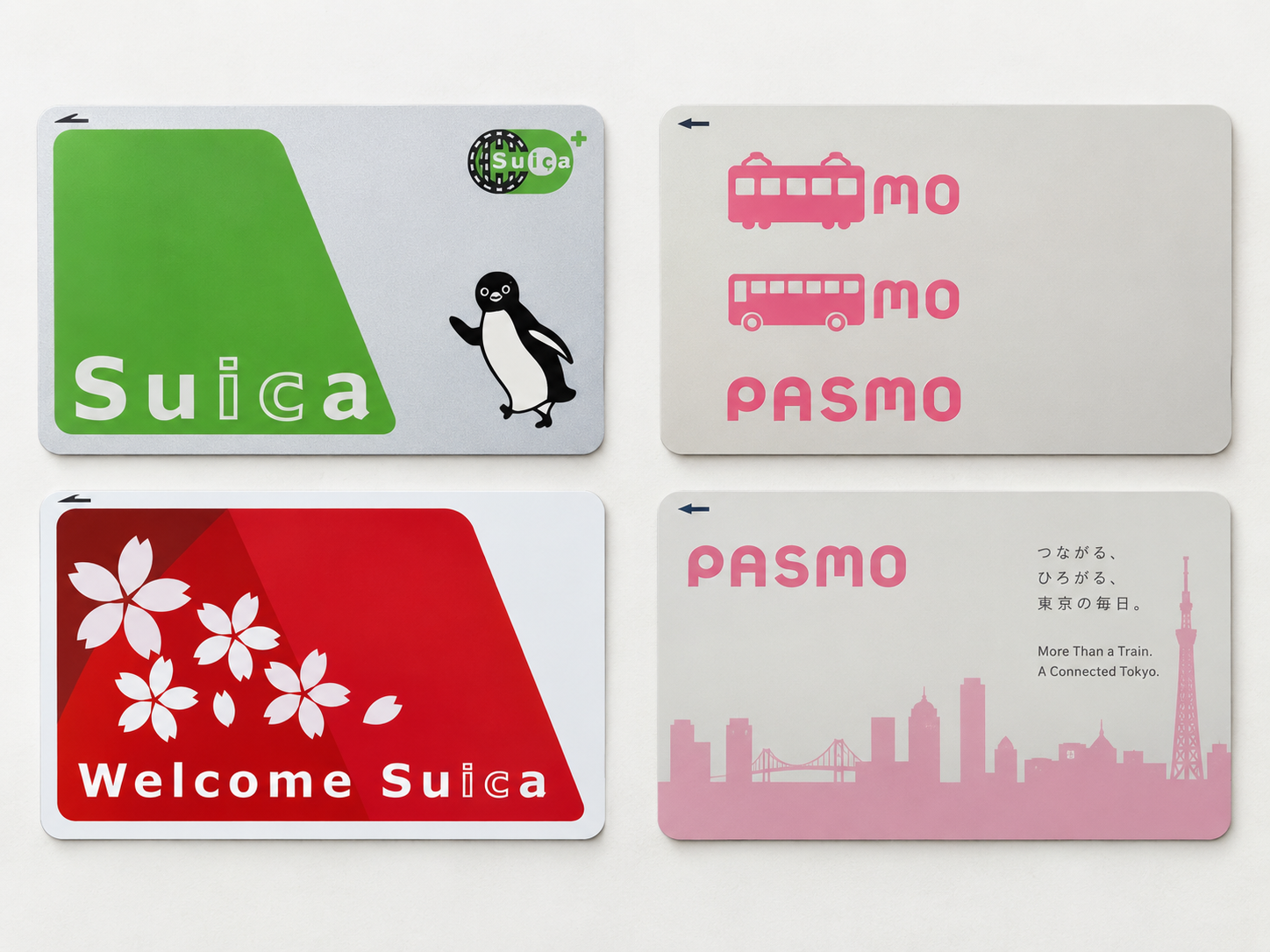
Get a contactless IC card immediately upon arrival. Suica (issued by JR East) and Pasmo (issued by Tokyo Metro) work identically across every train line, subway, city bus, vending machine, and convenience store register in Tokyo.
Pro-Tip for iPhone Users: You can add a digital Suica or Pasmo card directly into Apple Wallet under Wallet > Add (+) > Transit Card. Recharge instantly via Apple Pay without needing physical cards or station machines.
Physical Card Notes: Regular Suica and Pasmo cards with a refundable ¥500 deposit are available at stations. Tourists can also purchase physical Welcome Suica or Tourist Pasmo cards at Haneda/Narita airport counters (valid for 28 days with no deposit required).
Taxis: Convenient Late-Night Transit
Taxis are pristine, exceptionally safe, and professional, though substantially pricier than the train system. Starting fares range from 500 to 700 yen for the first kilometer, plus 300 to 400 yen per kilometer after that.
- Automatic Doors: Taxi rear doors open and close automatically via driver control—avoid pulling or grabbing the handle manually.
- Language Tip: Keep your destination address written in Japanese characters or pinned on Google Maps to show the driver easily.
- Rideshare Apps: Uber and the local GO app work smoothly across Tokyo to call licensed taxis directly to your hotel or restaurant.
Buses & Bike Rentals
City buses charge a flat 210 yen fare and connect inner residential areas where train stops are sparse. Board through the rear door, then pay or tap your IC card at the front door fare machine when exiting.
Bike Sharing: Docomo Bike Share and Luup operate docked rental scheme stations scattered across central wards. Electric pedal-assist bikes can be rented via their mobile apps—ideal for riding around flatter districts like the Imperial Palace or Odaiba.
What to Eat in Tokyo
Essential local spots and simple etiquette tips for dining seamlessly.
Ramen Counters
Purchase a ticket from the entry ticket machine (Shokkenki), hand it to the cook upon sitting down, and enjoy. Bowls typically range from 800 to 1,200 yen. Slurping noodles is normal etiquette and helps cool the hot soup as you eat.
Standing Sushi Bars
Fast, fresh, and budget-friendly compared to sit-down establishments. Expect high-quality fish sourced directly from Toyosu Market at 150 to 400 yen per piece. Point to menu items or order directly from the sushi chef in front of you.
Convenience Store Eats
7-Eleven, Lawson, and FamilyMart offer genuinely high-quality meals—including hot fried chicken (Famichiki), egg salad sandwiches, bento boxes, and fresh onigiri rice balls. Ask staff to heat up bento meals on the spot.
Depachika Food Halls
Located in major department store basements like Isetan (Shinjuku) or Mitsukoshi (Ginza). Perfect for sampling gourmet bento, delicate pastries, and regional snacks. Look for 20-50% discounts on prepared foods starting around 6 PM daily.
Izakayas (Japanese Pubs)
Informal casual pubs centered on small shared food plates and draft beer or highballs. Most charge a small cover fee (Otoshi, 300–500 yen per person) that includes an un-ordered appetizer dish. That is standard custom, not a surcharge scam.
Market Street Food
Visit Tsukiji Outer Market before 10 AM for fresh seafood skewers, tamagoyaki (sweet layered omelets), and tuna bowls. Head to Ameyoko Market under the Ueno train tracks for lively evening grill stalls and cheap snacks.
Landmarks Worth Your Time
Iconic sights and practical timing advice to avoid crowds.
Senso-ji Temple, Asakusa+
Tokyo's oldest Buddhist temple, founded in 645 AD. The historic Kaminarimon Gate and five-story pagoda draw large crowds daily. Local Strategy: Arrive before 8:30 AM to explore the quiet temple grounds without tour groups. Nakamise-dori shopping street stalls open around 9:00 AM, making it ideal to browse for traditional snacks (like ningyo-yaki cakes) right as shops open.
Shibuya Crossing & Shibuya Sky+
Up to 3,000 people cross this scrambled intersection during peak green lights. Viewing Spots: For overhead street-level views, head to the second-floor Starbucks in Tsutaya or the Shibuya Station connecting bridge. For the ultimate open-air 360-degree skyline view, reserve tickets for Shibuya Sky observation deck 2 to 3 weeks online prior to your travel date to secure sunset slots.
Meiji Shrine & Harajuku+
Located right next to Harajuku Station, Meiji Jingu sits nestled within a tranquil 170-acre forest surrounded by 100,000 trees. The contrast is part of the appeal: step straight from quiet, shaded gravel paths into the bustling youth fashion shops and crepe stalls of Takeshita Street.
teamLab Planets (Toyosu)+
An immersive digital art museum in Toyosu where visitors navigate barefoot through knee-deep water installations and mirror rooms. Essential Info: Book advance tickets online as same-day tickets rarely exist. Wear pants that can easily be rolled up above the knee, and note that shorts/pants are recommended due to mirrored floors.
Tokyo Skytree vs. Tokyo Tower+
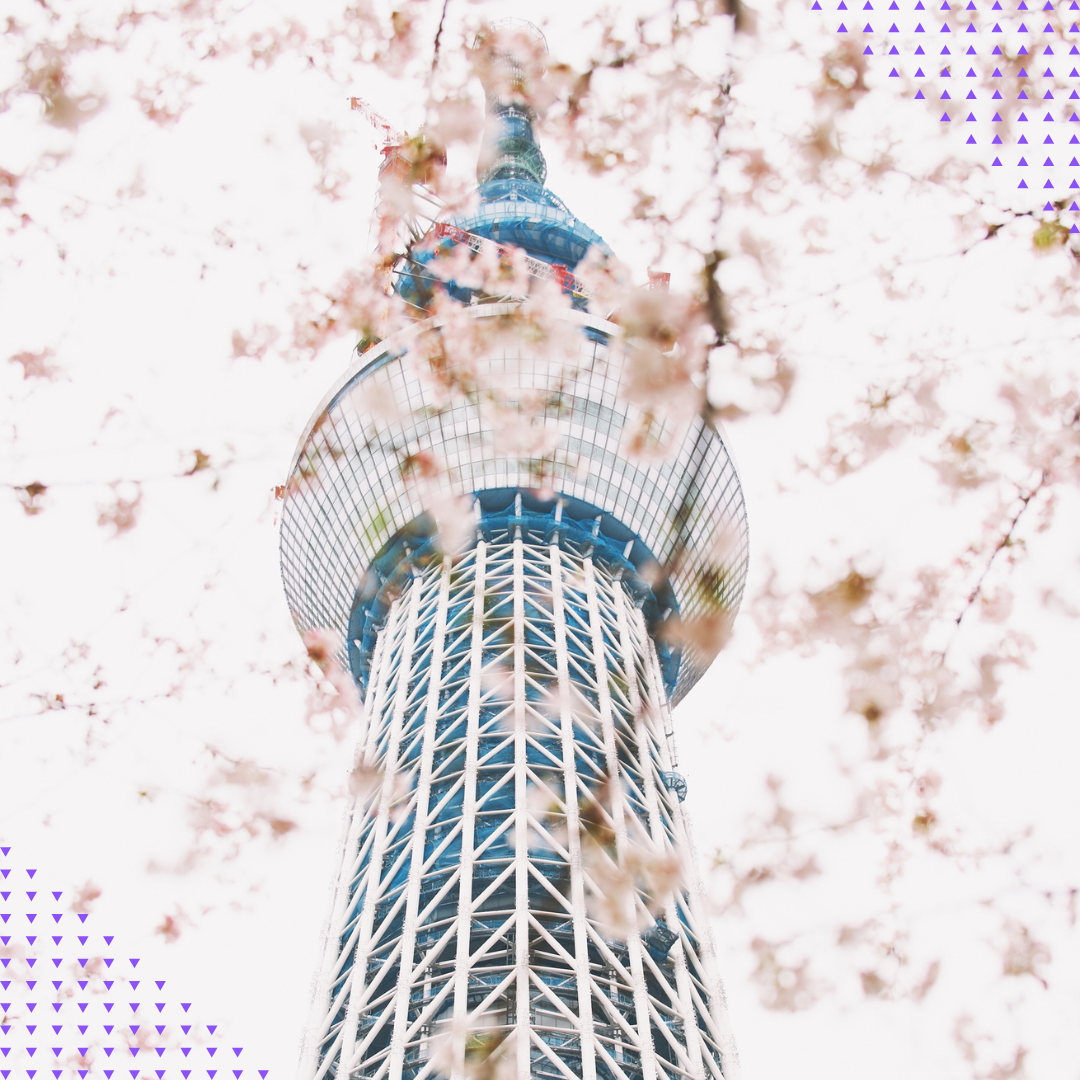
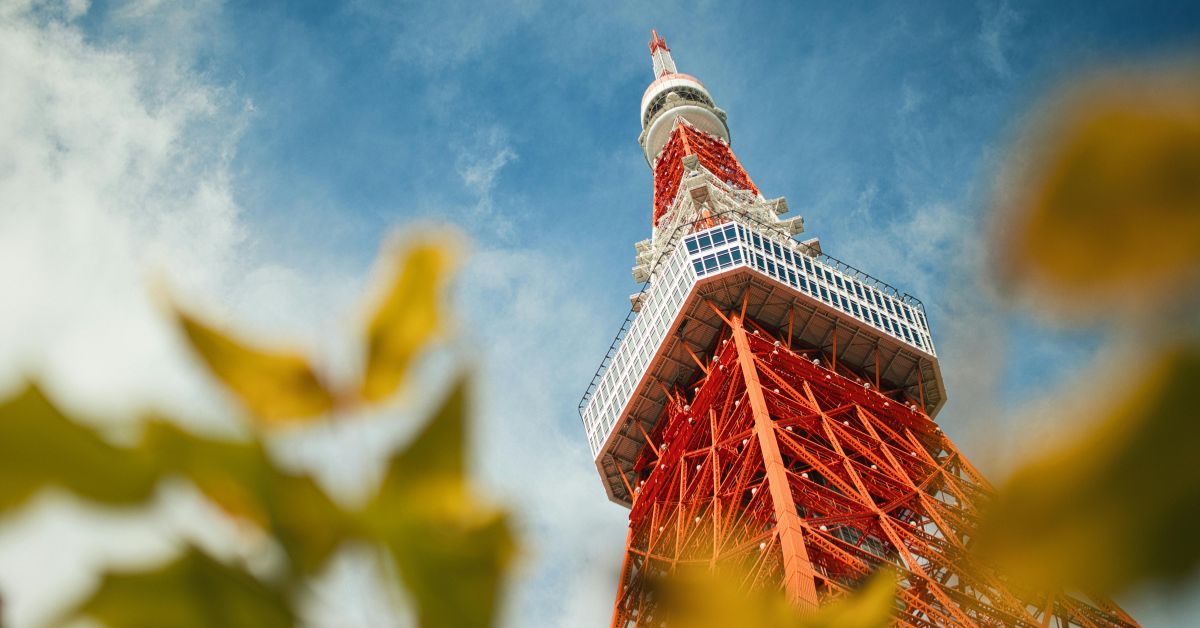
Skytree (634m) is taller, newer, and offers a better panorama view of Mount Fuji on clear mornings. Tokyo Tower (332m) is modeled after the Eiffel Tower with a retro 1950s aesthetic, iconic warm orange evening lights, and shorter ticket lines.
Explore More of Tokyo
In-depth guides for specific itineraries and market explorations.
7 Must-Do Tokyo Experiences
Unmissable activities beyond standard tourist paths, tested over 10 years of residency.
Read GuideTokyo in a Day
A dawn-to-late-night walking route hitting iconic landmarks efficiently in 24 hours.
Read GuideMarkets & Street Food
From Tsukiji sushi breakfasts to yakitori skewers under the train tracks at Ameyoko.
Read Guide