
Explore Japan’s Kitchen: Food, Culture & Neighborhoods
Where Tokyo feels polished and vast, Osaka is warm, energetic, and completely food-obsessed. Here is your complete field guide to navigating Osaka like a local.
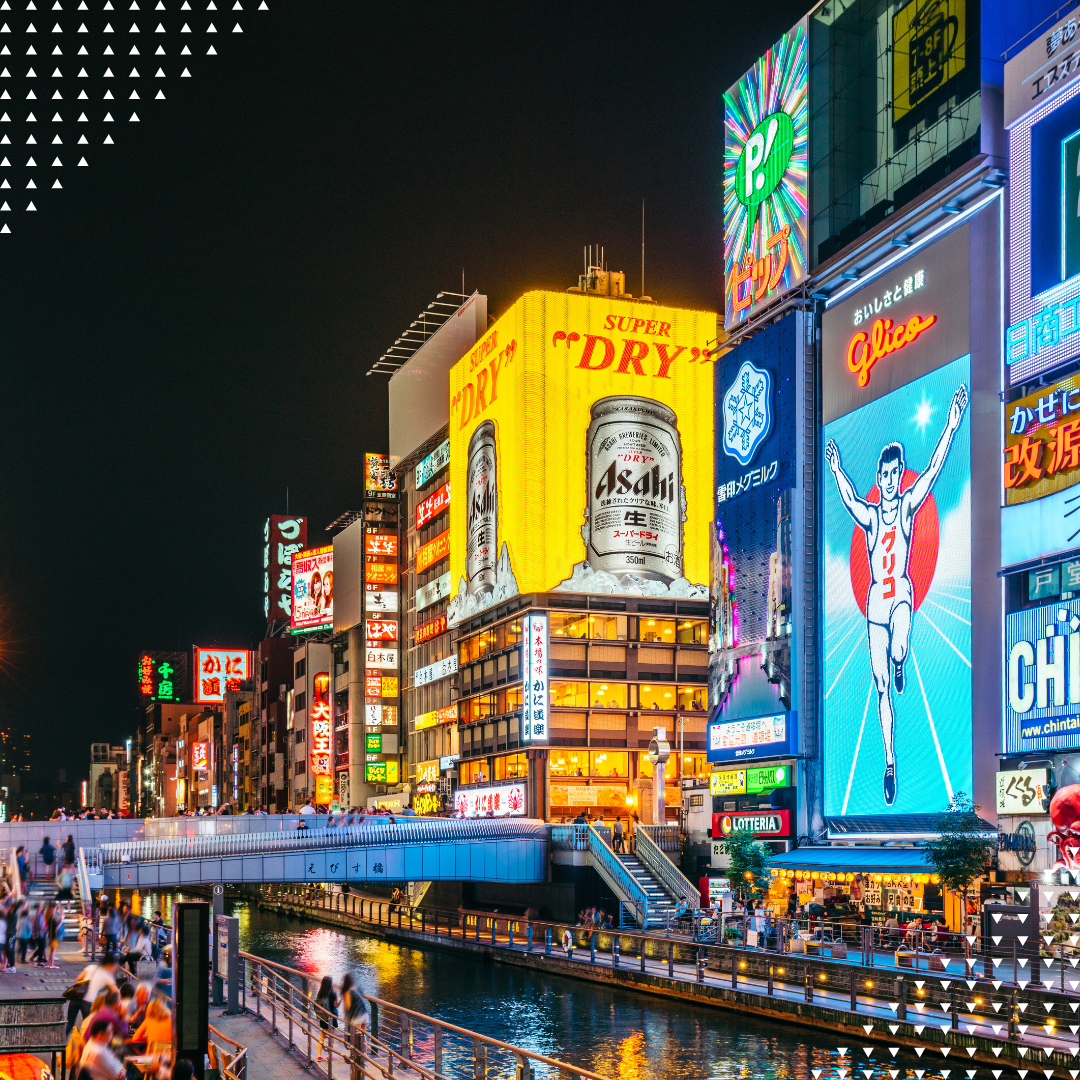
What to Expect From Osaka
Where Tokyo can feel quiet and reserved, Osaka is famous for being approachable, friendly, and loud. Locals are happy to strike up conversations, food stall vendors offer generous portions, and the entire city revolves around Kuidaore—the Japanese philosophy of eating until you drop.
Beyond Dotonbori's neon signage lies a remarkably compact city. Osaka serves as the ideal hub for exploring the wider Kansai region—with Kyoto, Nara, and Kobe all sitting within 20 to 45 minutes by train.
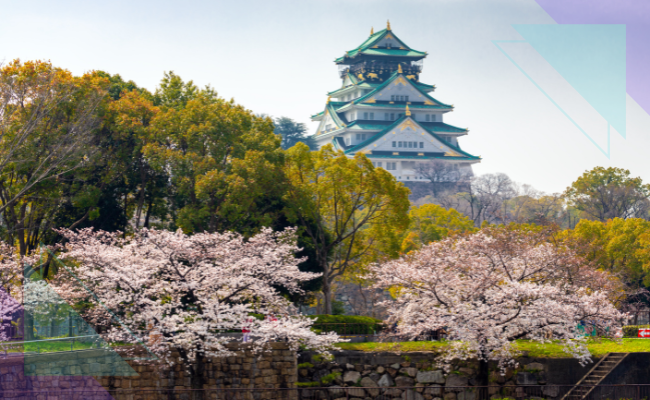
Osaka Essentials Cheatsheet
Where to Stay in Osaka
Osaka is broadly split into Namba (South) and Umeda (North). Pick your base depending on your transit needs.
Namba & Dotonbori
The beating heart of South Osaka (Minami). Immediate walking access to Dotonbori canal, street food stalls, izakayas, and direct Nankai Line airport express trains to Kansai Airport (KIX).
Umeda (Osaka Station)
The primary transit hub of North Osaka (Kita). Direct JR line connections to Kyoto, Kobe, and Hiroshima. Features major department store food halls and high-end hotel chains.
Shinsaibashi
Located just north of Namba along the Midosuji Subway line. Home to covered shopping arcades, fashion boutiques, and Amerikamura's trendy cafe culture.
Shinsekai & Tennoji
A distinctive retro district near Tsutenkaku Tower. Offers significantly lower hotel prices, casual kushikatsu eateries, and direct access to Harukas 300 skyscraper views.
Getting Around Osaka
Click a tab below to explore subways, IC cards, taxis, and regional train lines.
Osaka Metro: Simple North-South Transit
Osaka’s subway network is straightforward. The Midosuji Line (Red Line) is your primary artery—running directly between Umeda (Osaka Station), Shinsaibashi, Namba, and Tennoji.
The JR Osaka Loop Line (Kanjo-sen) circles the central city similar to Tokyo's Yamanote Line, providing direct connections to Osaka Castle Park and Universal City Station (USJ).
- Osaka Station vs. Umeda Station: They are effectively the same physical hub. "Osaka Station" refers to the JR train terminal, while "Umeda Station" refers to the subway and private rail lines.
- Enjoy Eco Card: An unlimited 1-day Osaka Metro pass costing ¥820 on weekdays and ¥620 on weekends.
ICOCA Cards: Nationwide Compatibility
ICOCA is Kansai's IC card issued by JR West. If you already purchased a Suica or Pasmo card in Tokyo, you do not need a new card—Tokyo IC cards work nationwide on all Osaka subways, buses, and stores.
Digital ICOCA: iPhone users can add a digital ICOCA card directly to Apple Wallet under Wallet > Add (+) > Transit Card > ICOCA and reload with Apple Pay.
Kansai Regional Rail: Kyoto, Nara, & Kobe
Osaka's major strength is regional proximity. You can reach surrounding cities easily via private express lines:
- To Kyoto: Take the Hankyu Line from Umeda to Kawaramachi (40 min, ¥410) or the JR Special Rapid from Osaka Station (29 min, ¥580).
- To Nara: Take the Kintetsu Express from Osaka-Namba Station directly to Kintetsu-Nara Station (38 min, ¥680).
- To Kobe: Take the JR Special Rapid or Hankyu Line from Umeda (22 min, ¥330).
Airport Express Trains & Taxis
Kansai Airport (KIX) Transit: Take the Nankai Rapi:t Express train from KIX to Namba Station (34 min, ~¥1,490) or the JR Haruka Express to Tennoji/Shin-Osaka.
Local Taxis: Starting fares begin around ¥500–¥700. Taxi rear doors operate automatically—allow the driver to open them. Use the local GO App or Uber for hailing rides online.
What to Eat in Osaka
Famous local street foods, specialty dishes, and helpful ordering phrases.
Takoyaki (Octopus Balls)
Crispy batter spheres filled with diced octopus, pickled ginger, and green onion—brushed with savory sauce and bonito flakes. Eat carefully as the interior remains molten hot. A box of 6 to 8 balls costs ~¥600.
Okonomiyaki (Savory Pancake)
Grilled savory cabbage pancakes filled with pork belly, seafood, or cheese, topped with Japanese mayo and sweet brown sauce. Many local spots cook them directly on tabletop iron griddles (teppan) in front of you.
Kushikatsu (Skewered Fried Eats)
Deep-fried panko-breaded skewers of beef, pork, lotus root, and cheese—a staple of Shinsekai. Strict Rule: Dipping your skewer into communal sauce pots a second time after taking a bite is strictly prohibited for hygiene.
Kitsune Udon
Osaka-style thick wheat noodles served in a delicate, light dashi broth topped with a large piece of sweet seasoned fried tofu (abura-age). Noticeably lighter and sweeter than Tokyo's dark soy dashi.
Tachi-nomi (Standing Pubs)
Standing bars packed with office workers serving cold draft beer, highballs, and small plates like doteyaki (miso-stewed beef tendon). Cheap, fast, and an authentic local cultural experience.
Kuromon Market Bites
Known as "Osaka's Kitchen." Stroll the covered market corridors for freshly grilled wagyu skewers, giant grilled scallops, sea urchin, and fresh strawberries before 2:00 PM daily.
Landmarks Worth Your Time
Must-see attractions and timing strategies for visiting.
Dotonbori & Canal Promenade+
The iconic entertainment strip illuminated by towering neon signs, moving giant crab displays, and the famous Glico Running Man sign. Best Time: Visit after 6:00 PM for peak neon lighting and atmosphere, or take a 20-minute Tonbori River Cruise using an Osaka Amazing Pass.
Osaka Castle Park (Osaka-jo)+
A landmark 16th-century stone castle surrounded by impressive moat walls and cherry blossom gardens. Local Tip: The surrounding park grounds are free to explore 24/7. Entry inside the main tower costs ¥600 and features a museum and top-floor observation deck.
Shinsekai & Tsutenkaku Tower+
Built in 1912 to resemble Paris and New York, Shinsekai retains a nostalgic Showa-era charm filled with bright paper lanterns and kushikatsu restaurants. Don't miss taking photos of Tsutenkaku Tower down the central market street.
Universal Studios Japan (USJ)+
Home to Super Nintendo World and The Wizarding World of Harry Potter. Essential Booking Strategy: Buy studio pass tickets online weeks in advance and secure an Area Timed Entry Ticket via the official USJ App immediately upon entering the park gates.
Umeda Sky Building (Floating Garden)+
A futuristic 173-meter twin-tower skyscraper linked at the top by a circular open-air observation deck. Offers unmatched 360-degree views of Osaka's urban expanse and Yodo River.
Explore More of Osaka
In-depth guides for first-timers, local food, and market tours.
First-Time Guide to Osaka
Practical tips, neighborhood maps, and essential advice for planning your initial trip.
Read GuideMust-Try Local Osaka Dishes
From takoyaki to kushikatsu—the traditional comfort foods that define Osaka's culinary soul.
Read GuideStreet Food & Markets
Kuromon Market breakfasts, Dotonbori stalls, and late-night yakitori under the tracks.
Read Guide