Fukuoka works perfectly for a two-day visit – the city is compact enough to see highlights without constant rushing, yet substantial enough to fill your time with genuinely worthwhile experiences. This itinerary balances the must-see attractions with the everyday moments that reveal Fukuoka’s character as Japan’s most livable city.
I’ve designed this schedule assuming you’re arriving in the morning on Day 1 and departing evening of Day 2, giving you two full days to explore. The pace is active but not exhausting, with built-in flexibility for personal interests. You’ll eat extremely well, see historical sites, experience local culture, and understand why so many visitors end up extending their Fukuoka stay.
Day 1: Historic Sites, Local Food, and Evening Energy
Morning: Arrival and Hakata Station Area (9:00 AM – 11:00 AM)
Start your Fukuoka experience at Hakata Station, Japan’s largest station building by floor area. Even if you’re staying elsewhere, this architectural landmark deserves exploration. The station complex includes shopping, restaurants, and the rooftop Tetsudo Shrine – a small Shinto shrine dedicated to safe railway travel that provides surprisingly good city views.
Take 30 minutes to walk through the station, appreciating the massive atrium and getting oriented. Stop by the tourist information center on the first floor to grab city maps and ask any questions. The English-speaking staff can provide current information about festival schedules, temporary closures, or special events during your visit.
Coffee and light breakfast: If you haven’t eaten, the station has numerous cafes. REC COFFEE on the first floor serves excellent specialty coffee that will properly wake you up. Alternatively, grab a quick breakfast at one of the bakeries – Japanese bakeries are consistently good, and station locations maintain high quality.
Mid-Morning: Kushida Shrine (11:00 AM – 12:00 PM)
Take the subway Airport Line from Hakata Station to Gion Station (one stop, 2 minutes, 210 yen). Walk five minutes to Kushida Shrine, Fukuoka’s most important Shinto shrine and the spiritual heart of the Hakata Gion Yamakasa festival.
The shrine atmosphere feels authentically local rather than touristy. You’ll see elderly residents making daily visits, businesspeople stopping for quick prayers, and the enormous decorative Yamakasa float displayed year-round in the covered hall.
Spend time walking around the grounds. The main hall features beautiful traditional architecture, and the smaller shrines scattered around the complex show the layered nature of Japanese religious practice. If you’re lucky, you might witness a traditional wedding ceremony or blessing ritual.
What to look for: The permanent Yamakasa float display shows the incredible craftsmanship that goes into festival preparations. Information boards explain the festival’s history and significance. The fortune papers (omikuji) cost 100 yen if you want to try your luck – tie bad fortunes to the designated posts to leave the bad luck behind.
Lunch: Your First Hakata Ramen (12:00 PM – 1:00 PM)
Walk from Kushida Shrine toward Canal City (10 minutes), stopping at one of the excellent ramen shops in this area.
Ichiran Hakata Main Store sits nearby and offers the famous individual booth experience where you order via form, specifying exactly how you want your ramen prepared. The booths eliminate distractions, letting you focus entirely on the bowl in front of you. The tonkotsu broth is rich and creamy, the thin noodles perfectly firm. Order kaedama (extra noodles for 190 yen) to add to your remaining broth if you’re still hungry.
Alternative: ShinShin near Tenjin (15-minute walk or short subway ride) serves excellent ramen that many locals prefer to tourist-famous chains. The shop is smaller, less English-friendly, but the ramen is outstanding and you’ll eat alongside regular customers rather than tour groups.
Expect to pay 800-1,000 yen for a bowl. Ramen shops move quickly – order, eat, leave. Don’t linger over your empty bowl as others are waiting.
Afternoon: Canal City and Shopping (1:00 PM – 3:30 PM)
Walk to Canal City Hakata, Fukuoka’s most distinctive shopping and entertainment complex. The building wraps around an artificial canal with regular fountain shows and outdoor performance space.
Canal City isn’t just shopping – the architecture itself is interesting, designed by American architect Jon Jerde to create a “city within a city.” The canal running through the complex, the terraced levels, and the integration of outdoor space create atmosphere uncommon in Japanese shopping centers.
Spend time browsing shops that interest you, but don’t feel obligated to buy anything. The real value is experiencing how modern Fukuoka does retail and entertainment – mixing international brands with local shops, combining shopping with dining and entertainment in integrated spaces.
Team Lab Forest occupies the top floor of Canal City – an interactive digital art installation that’s worth the admission (around 2,200 yen) if you enjoy contemporary art and technology. The installation responds to your movements and changes seasonally.
If shopping isn’t your interest, this is a good time for alternative activities:
- Hakata Machiya Furusato-kan (Hakata Traditional Craft and Design Museum) shows local crafts with demonstrations and hands-on activities
- Explore Kawabata Shopping Arcade, one of the oldest shopping streets in Fukuoka with traditional shops and local character
Late Afternoon: Ohori Park and Fukuoka Castle Ruins (3:30 PM – 6:00 PM)
Take the subway Kuko Line from Gion or Nakasu-Kawabata to Ohori-koen Station (about 10 minutes, 260 yen). Exit directly into Ohori Park, a large public park built around a scenic pond.
Ohori Park provides peaceful contrast to the morning’s urban energy. The 2-kilometer path around the pond makes a pleasant walk with views of the water, traditional bridges, and the city skyline. Locals jog, walk dogs, and relax on benches. The atmosphere is calm and restorative.
Walk across the pond via the three traditional bridges connecting small islands. The Japanese Garden (admission 250 yen) on the park’s southern edge shows traditional landscape design with seasonal plantings, stone arrangements, and a tea house.
From Ohori Park, walk 10-15 minutes north to Fukuoka Castle ruins (Maizuru Park). The castle itself no longer exists – it was dismantled during the Meiji period – but stone walls, gates, and foundation remain. The site provides good city views and historical context about Fukuoka’s samurai past.
The ruins require some imagination, but information boards explain the original layout and importance. Cherry blossom season (late March-early April) transforms this area into one of Fukuoka’s best hanami (flower viewing) spots.
Evening: Tenjin District Exploration (6:00 PM – 8:00 PM)
Head to Tenjin, Fukuoka’s shopping and entertainment heart. Take the subway from Ohori-koen to Tenjin Station (one stop, 2 minutes).
Tenjin has a completely different energy from Hakata – more fashion-focused, younger demographic, denser concentration of bars and restaurants. The main shopping streets (Tenjin Underground Shopping Center, Tenjin Core, Solaria Plaza) connect underground and overground in typical Japanese fashion.
Walk through Daimyo district just west of Tenjin Station. This neighborhood has small boutiques, independent coffee shops, bars, and restaurants occupying renovated buildings and narrow streets. The atmosphere is more bohemian and creative than central Tenjin’s corporate polish.
Dinner: This is excellent time to try something other than ramen. Options include:
Motsunabe: Find a motsunabe restaurant and try this Fukuoka specialty hot pot featuring beef or pork offal in flavorful broth. Hakata Motsunabe Yamaya serves excellent versions with their signature mentaiko additions. Expect to pay 2,500-3,500 yen per person.
Mizutaki: For a more refined experience, try mizutaki (chicken hot pot) at Hakata Mizutaki Toriden. The simple preparation highlights quality chicken in clear broth. Budget 3,000-4,000 yen per person.
Izakaya: Countless izakaya throughout Tenjin serve drinking food and regional specialties. Order multiple small dishes family-style, trying mentaiko, yakitori, gyoza, and whatever looks good on neighboring tables. Budget 2,500-4,000 yen per person including drinks.
Night: Yatai Experience (9:00 PM – 11:00 PM)
The quintessential Fukuoka experience happens at yatai – the mobile food stalls that set up each evening along rivers and in parks. The Nakasu area between Hakata and Tenjin has the highest concentration.
Walk from Tenjin toward Nakasu (15 minutes) or take the subway one stop. You’ll see yatai lining both sides of the Naka River, identified by their small structures with canvas awnings and bright lighting.
Choose a yatai with open seats – don’t be shy, just ask if there’s space (“Ii desu ka?”). Squeeze onto a stool at the counter. The close quarters mean you’ll be shoulder-to-shoulder with other customers, which is exactly the point. This proximity breaks down normal Japanese formality and creates natural conversation opportunities.
What to order: Start with drinks – beer (500 yen), sake, or shochu. Order ramen if you haven’t had dinner, or yakitori, oden, and gyoza as drinking snacks. Most items cost 500-800 yen. The food is good but not exceptional – you’re here for the atmosphere and social experience more than culinary excellence.
Talk with your neighbors if they seem open to conversation. Many locals enjoy chatting with visitors at yatai, and the informal setting makes friendly interaction easy. The yatai owners often speak some English and facilitate conversation between customers.
Spend an hour or so enjoying the scene, then move to another yatai if you want to try different food. Don’t overstay – an hour per yatai is appropriate given the limited seating and other customers waiting.
Important notes: Yatai are cash only. Some have small English menus, others don’t – pointing and basic Japanese work fine. The bathroom situation is challenging as yatai have no facilities – go before arriving or ask the owner about nearby options.

Day 2: Day Trip to Dazaifu and Evening Exploration
Morning: Early Start to Dazaifu (8:00 AM – 12:30 PM)
Today takes you outside central Fukuoka to Dazaifu, an ancient administrative capital with important shrines, temples, and museums. Start early to maximize your time before crowds build.
From Tenjin, walk to Nishitetsu-Fukuoka (Tenjin) Station – this is different from the subway Tenjin Station, located near Solaria Plaza. Take the Nishitetsu Tenjin-Omuta Line to Futsukaichi Station (20 minutes, 260 yen), then transfer to the Dazaifu Line for Dazaifu Station (5 minutes, 150 yen). Total journey takes about 30 minutes.
Dazaifu Tenmangu Shrine sits at the heart of the town, a 5-minute walk from the station along a street lined with shops selling umegae mochi (grilled rice cakes with sweet filling).
Dazaifu Tenmangu honors Sugawara no Michizane, a scholar and politician deified as the god of learning. The shrine attracts students before exams and anyone seeking academic success. The architecture is beautiful, with the main hall featuring elaborate details and traditional construction techniques.
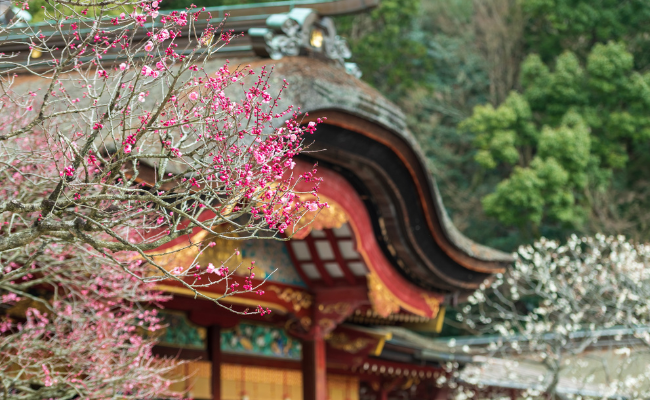
The approach to the shrine crosses three bridges symbolizing past, present, and future. Thousands of plum trees throughout the grounds bloom in late January-February, creating one of Kyushu’s earliest and most beautiful flower displays.
Spend at least an hour exploring the shrine complex. The surrounding gardens, the treasure hall displaying historical artifacts, and the numerous sub-shrines all reward attention. The atmosphere balances tourist popularity with genuine religious function – you’ll see both sightseers and serious worshippers.
Kanzeon-ji Temple sits about 15 minutes’ walk from Tenmangu. This ancient temple once served as Kyushu’s main Buddhist temple, governing all temples on the island. The massive bronze bell, cast in 746 CE, is a national treasure. The temple grounds are extensive, peaceful, and see far fewer visitors than Tenmangu.
Kyushu National Museum sits behind Tenmangu, accessible via walking path or escalator tunnel. The museum focuses on Kyushu’s role in cultural exchange between Japan and Asia, with exhibits explaining how trade and diplomacy shaped the region. The building itself is architecturally impressive with views over the valley.
The museum requires 2+ hours to see properly. If time is limited, skip it or save it for a future visit. The shrine and temple are the essential Dazaifu experiences.
Lunch in Dazaifu (12:30 PM – 1:30 PM)
Eat lunch on the approach street between Dazaifu Station and Tenmangu. Multiple restaurants serve local specialties and standard Japanese fare.
Umegae mochi is the must-try item – these grilled rice cakes filled with sweet azuki bean paste are made fresh throughout the day. The slightly crispy exterior and warm, sweet interior make perfect snacks or light dessert. Cost around 120-150 yen each. Buy from any shop where you see them being made fresh.
For substantial lunch, restaurants along the approach serve udon, soba, tempura, and set meals. Quality is generally good and prices reasonable (800-1,500 yen). Kasanoya serves excellent udon in traditional atmosphere.
Starbucks designed by architect Kengo Kuma sits along the approach – worth seeing for the remarkable wooden architecture that integrates traditional design with the coffee chain’s requirements.
Afternoon: Return to Fukuoka and Beaches (2:00 PM – 5:00 PM)
Return to Fukuoka via the same train route (30 minutes).
If weather is good, head to Momochi Seaside Park area for beach time and modern Fukuoka atmosphere. Take the subway from Tenjin to Nishijin Station (Kuko Line, 7 minutes, 210 yen), then walk 15 minutes or take a bus to Momochi Beach.
Fukuoka Tower dominates the Momochi area – Japan’s tallest seaside tower at 234 meters. The observation deck (800 yen admission) provides 360-degree city and ocean views. On clear days you can see quite far across the bay. The visit takes 30-60 minutes depending on how long you linger.
Momochi Beach is Fukuoka’s most popular swimming beach in summer, but pleasant for walking year-round. The 2.5-kilometer sandy beach has ocean views, the modern city skyline behind you, and a relaxed atmosphere. Locals jog, play beach sports, and relax on the sand.
The area around the beach has cafes and restaurants, many with ocean-view seating. This is modern, developed Fukuoka – quite different from the historic Hakata area you explored yesterday.
Alternative afternoon activities if beaches don’t interest you:
- Explore more of Tenjin shopping districts and cafes
- Visit Sumiyoshi Shrine, one of Japan’s oldest shrines
- Walk through Yanagibashi Rengo Market, the local food market where restaurants buy ingredients
- Relax at your accommodation and save energy for evening activities
Evening: Serious Food Exploration (5:30 PM – 8:00 PM)
Tonight focuses on Fukuoka foods you haven’t tried yet. Make this a progressive dinner, eating multiple small meals rather than one large one.
Stop 1 – Basashi (6:00 PM): Start at Suganoya or another basashi specialist. Order a sampler plate that includes different cuts so you can compare textures and flavors. The fatty toro cuts are the finest and most expensive, while leaner cuts cost less. Expect to pay 2,000-3,000 yen for a good tasting portion.
Eating raw horse meat might feel adventurous, but quality basashi in Fukuoka is tender, clean-tasting, and not at all off-putting. If you’re going to try it anywhere, try it here where the tradition is strongest and quality highest.
Stop 2 – Mentaiko specialist (7:00 PM): Walk to Fukuya or Yamaya shops to buy mentaiko to take home, or find a restaurant serving mentaiko dishes. Mentaiko pasta has become popular, combining spicy cod roe with Italian pasta in surprisingly successful fusion. Some izakaya serve plain mentaiko as drinking food – try it with rice to understand why locals love this ingredient.
Stop 3 – Yakitori and drinks (7:30 PM): Finish at a yakitori restaurant or izakaya. Order various grilled chicken skewers, vegetables, and whatever specials look good. Drink beer, sake, or shochu with local friends if you’ve made any, or enjoy people-watching and the lively atmosphere.
Budget 1,500-2,500 yen for this final stop including drinks. The goal isn’t to stuff yourself but to end your Fukuoka visit with the convivial, food-focused atmosphere that defines the city’s evening culture.
Late Evening: Final Night Out (8:30 PM – 11:00 PM)
Spend your last Fukuoka evening however appeals to you:
Relax option: Find a nice cafe or bar in Daimyo district. Order good drinks, reflect on your trip, maybe write some notes about your experiences. Daimyo has numerous small bars and cafes with character, many run by interesting people happy to chat with customers.
Active option: Explore more yatai, trying stalls you missed last night. The repetition isn’t boring – each yatai has different food, different atmosphere, different customers to meet.
Cultural option: Some temples and shrines have evening illumination or special nighttime access. Check current schedules at your hotel or tourist information.
Shopping option: Department stores in Tenjin stay open late. If you want to buy final souvenirs or gifts, this is your last chance. Hakata Hankyu and other department stores have excellent food floors (depachika) in basements where you can buy local specialties, sweets, and packaged foods to take home.
Practical Considerations
Budget Expectations
This itinerary can be done at different price points depending on accommodation, restaurant choices, and shopping:
Budget version: 15,000-20,000 yen per day (simple accommodation, casual restaurants, limited attractions)
Mid-range version: 25,000-35,000 yen per day (nice accommodation, mix of casual and nicer restaurants, most attractions)
Comfort version: 40,000+ yen per day (upscale accommodation, fine dining options, all attractions and experiences)
Transportation within Fukuoka is inexpensive – budget 1,000-1,500 yen per day for subway, buses, and trains.
What to Skip If Time is Limited
If you need to compress this itinerary, the most flexible elements are:
- Fukuoka Tower and beach area (nice but not essential)
- Kyushu National Museum (excellent but time-consuming)
- Extended shopping time (unless shopping is your specific interest)
- Canal City (interesting but not unique to Fukuoka)
The essential experiences are: ramen, yatai, Dazaifu Tenmangu, Kushida Shrine, and trying local foods like basashi and mentaiko.
Weather Considerations
Rain: Fukuoka has excellent covered shopping streets and underground connections between subway stations. Rainy days work fine for shopping, museums, and restaurant-focused activities.
Heat: Summer (July-August) is hot and humid. Plan indoor activities during peak afternoon heat, save walking for morning and evening.
Cold: Winter (December-February) is cool but manageable with proper clothing. Outdoor activities are still pleasant during daylight hours.
Physical Requirements
This itinerary involves moderate walking – probably 10-15 kilometers per day. Wear comfortable shoes. The pace is relaxed with regular breaks, so reasonable fitness is sufficient. All destinations are accessible by public transit, minimizing walking distances when needed.
Language Considerations
Major tourist sites have English information. Restaurants in tourist areas often have English menus or photos. However, smaller establishments, yatai, and local shops may have limited English. Having a translation app and being comfortable with pointing and basic phrases helps.
Most Fukuoka residents are friendly and patient with foreign visitors. Language barriers rarely prevent you from eating well and seeing what you want to see.
Flexibility and Personal Preferences
This itinerary provides structure, but Fukuoka rewards spontaneity. If you find a neighborhood you love, spend more time there. If ramen becomes your obsession, skip other meals and eat ramen three times daily. If you make local friends who invite you somewhere, follow them instead of sticking to this schedule.
The beauty of Fukuoka is that it’s not a checklist city where missing something means failing. The city reveals itself through accumulation of small moments – conversations at yatai, unexpected discoveries in shopping arcades, the perfect bowl of ramen at a shop you randomly chose.
Final Thoughts
Forty-eight hours gives you a solid introduction to Fukuoka without pretending you’ve seen everything. You’ll eat incredibly well, see important cultural sites, experience the unique yatai culture, and get a sense of why this city ranks so high on livability indexes.
What you probably won’t have is enough time. Most visitors leave Fukuoka wishing they’d stayed longer, discovering too late that this city rewards extended stays more than quick visits. The rhythm of life here, the depth of the food culture, the ease of daily existence – these reveal themselves over days and weeks rather than hours.
Consider this itinerary a foundation. You’ll see the highlights, but you’ll also identify what interests you most about Fukuoka. Next time you visit – and there will likely be a next time – you’ll know where to dig deeper.