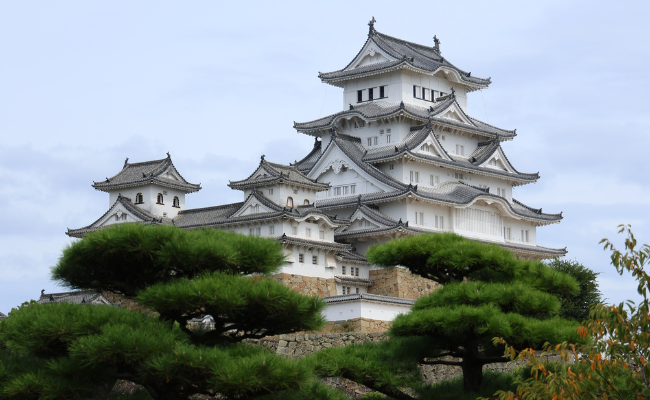
While Himeji Castle rightfully draws thousands of visitors to Hyogo Prefecture, the region offers many other experiences worth exploring. From lesser-known historical sites to local food experiences and natural wonders, Hyogo has plenty of unique attractions that most travelers overlook. Here are some special things to do that go beyond the famous white castle.
Walk Across the Akashi Kaikyo Bridge
The Akashi Kaikyo Bridge is the world’s longest suspension bridge, stretching nearly four kilometers across the sea to connect Kobe with Awaji Island. What many visitors don’t know is that you can take a guided tour that lets you walk along special walkways inside the bridge structure, high above the water. The Bridge World tour takes you up to the main tower, 300 meters above sea level, offering incredible views of the Seto Inland Sea.
This tour runs on weekends and holidays and requires advance booking. Wearing comfortable shoes is important since you’ll be climbing stairs. The experience gives you a close look at the engineering that went into building this massive structure and provides photo opportunities you can’t get anywhere else.
Try Sake Tasting in Nada
The Nada district in Kobe is one of Japan’s most important sake-producing regions, accounting for about 30% of all sake produced in Japan. The area has perfect conditions for brewing: high-quality water from nearby mountains, quality rice, and skilled brewers who have passed down their knowledge for generations. Several breweries offer tours and tastings where you can learn about the sake-making process and sample different types.
Hakutsuru Sake Brewery Museum is free to enter and shows old brewing tools and methods. Kobe Shushinkan, another museum in the area, has English information and lets visitors taste several varieties. Walking through the district, you’ll see traditional brewery buildings with distinctive white walls and latticed windows.
Explore the Bamboo Forest in Takeda
Near Takeda Castle ruins, a peaceful bamboo forest offers a quiet walking experience different from the more famous bamboo groves in other parts of Japan. The tall bamboo stalks create natural tunnels along the walking paths, and the sound of wind through the leaves adds to the calm atmosphere. This area sees far fewer visitors than tourist spots in Kyoto or Kamakura.
The forest is open to the public and free to enter year-round. Early morning visits provide the best light filtering through the bamboo, and you’re likely to have the paths mostly to yourself. The walk takes about 30 minutes and connects to hiking trails that lead up toward the castle ruins.
Experience a Fish Market at Dawn in Akashi
Akashi Fish Market is one of Japan’s major seafood markets, known especially for octopus and sea bream caught in the nearby Akashi Strait. The market opens early in the morning when fishing boats return with their catch, and the auction starts around 9 AM. Visitors can watch from viewing areas as buyers bid on fresh fish, and several restaurants around the market serve breakfast using seafood bought just minutes before.
The energetic atmosphere and chance to see such fresh seafood makes this worth an early wake-up. Some restaurants serve Akashi-yaki, the local version of takoyaki (octopus balls), which are lighter and served in a soup broth rather than with a thick sauce. The difference in taste from regular takoyaki is clear.
Visit a Sword-Making Workshop
Hyogo has a long history of sword making, and a few craftsmen still practice this traditional art. Some workshops in the region offer demonstrations where you can watch skilled smiths heat, hammer, and shape steel using methods passed down for centuries. A few places even offer hands-on experiences where visitors can try basic forging techniques under expert guidance.
These workshops require booking ahead and often have limited spaces. The demonstrations typically last 1 to 2 hours and include explanations in Japanese, though some include English-speaking guides or printed materials. Even just watching the process shows the incredible skill and physical effort that goes into making a single blade.
Try Local Specialties in the Countryside
Beyond Kobe beef, Hyogo has many regional foods that locals love but tourists rarely try. In the Tajima region, fresh vegetables and mountain herbs feature in simple, home-style dishes. Botan-nabe, a hot pot made with wild boar meat, is a winter specialty in mountain areas. Coastal towns serve a variety of fish dishes made with local catches that change with the seasons.
Small family-run restaurants in rural areas often don’t have English menus, but pointing at what other customers are eating usually works well. These places offer authentic local cooking at reasonable prices, and the owners are often happy to explain their dishes despite any language barriers.
Hike Mount Rokko
Mount Rokko rises behind Kobe and offers several hiking trails of varying difficulty. The mountain offers views of Kobe city, Osaka Bay, and, on clear days, all the way to Osaka. Cable cars and a ropeway can take you partway up, making it accessible even for those who don’t want to hike the full distance.
At the top, you’ll find gardens, small museums, and the famous Rokko Garden Terrace with restaurants and observation decks. Night views from the mountain are awe-inspiring, as the lights of Kobe and surrounding cities spread out below. The area is cooler than the city, making it a popular escape during hot summer months.
Attend a Traditional Festival
Hyogo hosts many local festivals throughout the year, but few international visitors attend. The Nada Fighting Festival in October is one of the most energetic, featuring teams of men carrying heavy portable shrines through the streets and intentionally crashing them together. In Ako, the Gishi Festival in December honors the famous 47 ronin with a parade featuring people in period costumes.
These festivals give insight into local culture and community life that you won’t find at major tourist sites. The atmosphere is genuine rather than performed for tourists, and locals are usually welcoming to visitors who show interest in their traditions.
Soak in a Lesser-Known Hot Spring
While Arima Onsen and Kinosaki Onsen are well-known, Hyogo has many smaller hot spring towns that offer a more local experience. Yumura Onsen in the mountains has free public foot baths where locals gather to chat, and you can buy eggs to cook in the hot spring water. Hamasaka Onsen near the coast combines hot springs with fresh seafood and quiet beaches.
These smaller towns have fewer English services but also far fewer crowds. The hot springs are just as good, the accommodations more affordable, and you’re more likely to interact with Japanese visitors than with tour groups.
Conclusion
Hyogo Prefecture rewards travelers who look beyond its most famous attraction. Whether you’re interested in traditional crafts, local food, nature, or simply seeing how people live outside the main tourist areas, the region offers many ways to experience authentic Japanese culture. Taking time to explore these lesser-known spots provides a richer understanding of what makes this part of Japan special.