Nestled between Osaka and the Sea of Japan, Hyogo Prefecture offers travelers a great mix of cultural sites, natural attractions, and city life. From the historic streets of Kobe to ancient castle towns and relaxing hot springs, this varied region has plenty of options for visitors to explore.
Visit Himeji Castle: Japan’s Most Beautiful Castle
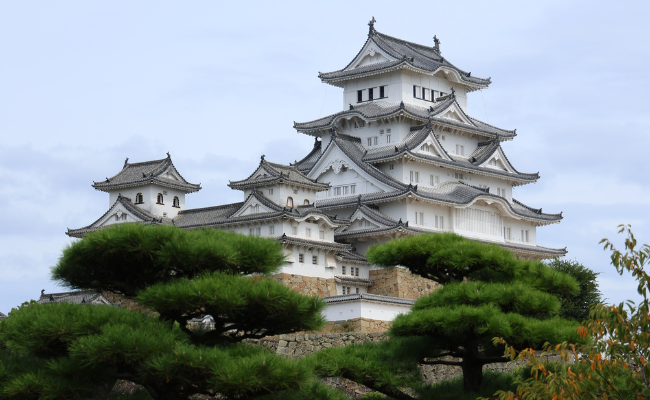
Himeji Castle is a must-see attraction in Hyogo and one of Japan’s most impressive historic buildings. This white castle, often called the “White Heron Castle” for its elegant appearance, is a UNESCO World Heritage site and one of Japan’s 12 original castles that still stand today. The complex defense systems, including winding pathways and hidden areas for protection, show the clever military design of feudal Japan.
Walking through the castle’s several floors offers visitors wide views across Himeji city and the surrounding area. The nearby Koko-en Garden features nine distinct traditional Japanese gardens that offer a calm contrast to the castle. Spring brings cherry blossoms that look beautiful against the white walls, while fall colors the grounds with red and orange leaves.
Relax in Arima Onsen’s Hot Springs
Arima Onsen is one of Japan’s three oldest hot spring towns and has drawn visitors for over a thousand years. This mountain town has two types of springs: the iron-rich “gold waters,” with their brownish-red color, and the clear, bubbly “silver waters.” Many traditional inns let day visitors use their baths, so you can try a real Japanese hot spring without staying overnight.
The streets of Arima are lovely to walk through, with old-style buildings, local shops, and small museums about the town’s long bathing history. Try the carbonated rice crackers, a local snack made with naturally fizzy spring water.
Experience Kobe’s City Life
Kobe, the main city of Hyogo, mixes international styles with Japanese culture. The Kitano-cho area has well-kept Western-style houses from the late 1800s, when foreign traders lived in the city after Japan opened to global trade. These old homes now work as museums, showing what life was like for early foreign residents.
Kobe’s waterfront area features modern shops and restaurants with great port views, while downtown is small enough to walk around easily. The city is famous for Kobe beef, and many restaurants serve it, prepared by skilled cooks.
Walk Through Kinosaki Onsen’s Traditional Streets
Kinosaki Onsen is a classic Japanese hot spring town on the northern coast. Visitors wear robes and wooden sandals as they walk between seven public bathhouses, each with its own style. A canal lined with willow trees runs through town and looks especially pretty at night when traditional lanterns light the way.
The town moves at a slow pace, with many small shops, cafés, and galleries between the bathhouses. Winter visitors can eat fresh snow crab caught in the nearby Sea of Japan, while cherry trees along the river make spring beautiful.
See Takeda Castle Ruins: The Castle in the Sky
Built high on a mountain, Takeda Castle ruins create one of Japan’s most stunning views, especially on autumn mornings when fog fills the valleys below and makes the ruins look like they’re floating in the clouds. This view earned it the name “Castle in the Sky” and brings photographers and nature lovers from across Japan.
The one-hour hike to reach the ruins is somewhat challenging but gives visitors amazing views in all directions. The castle’s stone foundation walls are still in good condition, allowing visitors to picture what the fortress looked like when it was built over 600 years ago.
Enjoy Nature on Awaji Island
Connected to Kobe by the Akashi Kaikyo Bridge, the world’s longest suspension bridge. Awaji Island has many natural attractions and farm experiences. The island’s mild weather is ideal for growing flowers, and places like Awaji Yumebutai feature terraced gardens with seasonal blooms year-round.
The coastline offers beaches and parks where visitors can enjoy ocean views, while the island’s farms grow onions, citrus, and other vegetables. Several farms let visitors pick their own produce during harvest seasons.
Shop and Eat in Kobe’s Chinatown
Nankinmachi, Kobe’s Chinatown, is one of Japan’s three major Chinatowns and a popular spot for food and shopping. The area centers around a small square with traditional gates at each entrance. Streets are filled with restaurants and food stalls selling steamed buns, dumplings, and other Chinese dishes.
The neighborhood is bustling during Chinese New Year celebrations and weekends, when locals and tourists come to eat and shop. Many stores sell traditional Chinese goods, teas, and snacks to take home.
Practical Tips for Visiting Hyogo
Hyogo is easily accessible from major cities like Osaka and Kyoto by train. A JR Pass can save money if you plan to visit multiple areas within the prefecture. English signs are available at major tourist sites, though having a translation app can help at smaller locations.
The best times to visit are spring for cherry blossoms and fall for colorful leaves, though each season offers different experiences. Summer can be hot and humid, while winter brings snow to northern areas like Kinosaki Onsen.
Conclusion
Hyogo Prefecture gives visitors a well-rounded look at Japan, from world-famous castles and historic hot spring towns to modern city life and natural beauty. Whether you’re interested in history, food, relaxation, or outdoor activities, this region has something to offer every type of traveler.