
Japan’s Historic Port City: Waterfront, Chinatown & Plant-Based Eats
Just 30 minutes south of Tokyo, Yokohama blends maritime heritage with modern harbor views, Asia's largest Chinatown, iconic ramen culture, and a thriving plant-based dining scene along the bay.
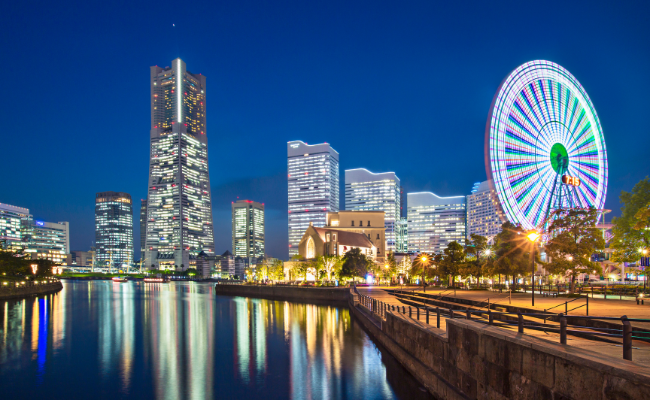
What to Expect From Yokohama
As Japan's second-largest metropolis, Yokohama sits along the shores of Tokyo Bay. Following its 1859 opening as Japan's primary treaty port, the city evolved into a vibrant fusion of international influences, classic architecture, and seaside promenades.
Yokohama offers a welcoming, spacious alternative to Tokyo's dense urban sprawl. It features Asia's largest Chinatown, iconic red-brick warehouses, world-class noodle museums, and one of Japan's most progressive plant-based dining scenes along the harbor.
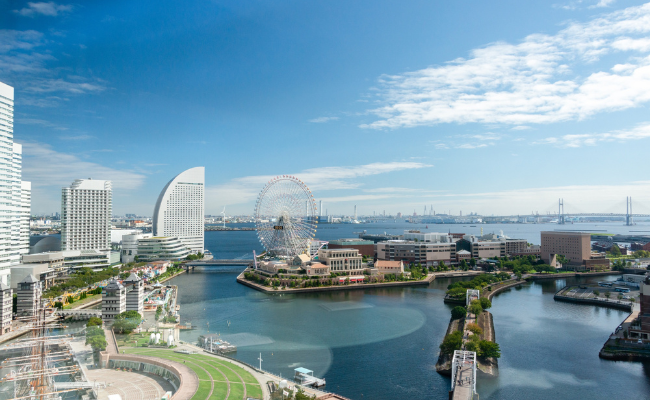
Yokohama Essentials Cheatsheet
Where to Stay in Yokohama
Pick a harbor or downtown district based on your sight-seeing and dining priorities.
Minato Mirai 21
MapYokohama's futuristic waterfront district. Steps from the Yokohama Landmark Tower, Red Brick Warehouses, Cosmo Clock 21 ferris wheel, and seaside walking promenades.
Kannai & Bashamichi
MapHistoric downtown area situated between Yokohama Chinatown and Yamashita Park. Excellent boutique hotels, heritage architecture, and classic Western-style Yoshoku eateries.
Motomachi & Chukagai
MapLocated right beside Yokohama Chinatown and the European-influenced Motomachi shopping street. Great for foodies seeking instant access to dim sum, bao, and traditional sweets.
Yokohama Station Hub
MapMajor transportation junction connecting multiple JR and private train lines. Convenient for day trips to Kamakura, Hakone, or quick commutes back to Tokyo.
Getting Around Yokohama
Click a tab below to explore train lines, waterfront buses, ropeways, and passes.
Connecting Tokyo and Yokohama
Yokohama is seamlessly connected to central Tokyo via multiple express rail lines:
- Tokyu Toyoko / Minato Mirai Line: Direct through-service from Shibuya Station to Motomachi-Chukagai (35 min, ¥500). Ideal for visiting Chinatown and waterfront parks directly.
- JR Tokaido / Yokosuka Line: Direct from Tokyo Station to Yokohama Station in 25 minutes (covered by JR Pass).
- JR Keihin-Tohoku Line: Local line connecting Shinagawa, Yokohama, and Sakuragicho Station (gateway to Minato Mirai).
YOKOHAMA AIR CABIN & Waterfront Transit
Urban Cable Car: The YOKOHAMA AIR CABIN (Google Maps) is Japan's first urban ropeway, taking passengers across the harbor between JR Sakuragicho Station and Yokohama World Porters in 5 minutes (¥1,000 one-way) with sweeping skyline views.
Akai Kutsutsu Loop Bus: Retro red buses link Yokohama Station, Minato Mirai, Red Brick Warehouses, and Chinatown for ¥220 per ride.
IC Cards & Local Passes
Suica, Pasmo, and ICOCA cards work seamlessly across all train lines, subways, city buses, and Chinatown street food stalls.
Minato Mirai Line 1-Day Pass: ¥460 pass offering unlimited rides on the Minato Mirai Subway Line between Yokohama Station and Motomachi-Chukagai.
Waterfront Walking Routes
Yokohama's harbor is one of Japan's most walkable urban areas. A continuous seaside walking path connects Sakuragicho, Red Brick Warehouses, Osanbashi Pier, Yamashita Park, and Chinatown in a pleasant 35-minute stroll.
What to Eat in Yokohama
Port city fusion dishes, Chinatown street food, and dedicated plant-based dining guides.
Yokohama's Signature Culinary Culture
As a historic port town, Yokohama introduced Western and Chinese culinary techniques to Japan, resulting in unique local specialties like Iekei Tonkotsu-Shoyu Ramen, vegetable Sanmamen, and 19th-century Gyu-nabe beef hot pots.
Waterfront Vegan Cafes & Plant-Based Eating
Yokohama’s harbor front along Minato Mirai and Yamashita Park is one of Japan's most plant-friendly dining destinations:
- Waterfront Vegan Cafes: Enjoy organic Buddha bowls, plant-based sushi, soy-meat karaage, and oat-milk matcha lattes with bay views.
- Cup Noodles Museum Vegan Tips: Customize your personal cup noodles using vegetable soup bases and dried vegetable toppings at the My CUPNOODLES Factory. The Noodle Bazaar food hall also offers plant-based Asian noodle options upon request. (Read our Cup Noodles Museum Vegan Guide).
- Chinatown & Sweets: Modern Chinatown stalls offer mushroom dim sum and vegetable bao, while Motomachi wagashi shops feature plant-based sweets made from red bean, rice flour, and agar. (Read our Waterfront Vegan Guide).
Yokohama Iekei Ramen
MapYokohama's iconic local ramen style: thick, straight noodles served in a rich, salty tonkotsu-shoyu (pork bone & soy sauce) broth topped with spinach, chashu pork, and large nori sheets. Try the original shop, Yoshimuraya.
Chinatown Street Food (Dim Sum & Buns)
MapBrowse Chukagai street stalls for steamed pork buns (Butaman), pan-fried soup dumplings (Shengjian Bao), and sesame balls. Many modern stalls clearly label plant-based and mushroom dumplings.
Waterfront Vegan Cafes & Bowls
MapYokohama leads Japan in plant-based waterfront dining. Enjoy vegan matcha lattes, organic soy-meat karaage lunch sets, vegan curry rice, and coconut milk parfaits overlooking Minato Mirai bay.
Sanmamen Vegetable Ramen
MapA Kanagawa regional specialty: clear shoyu soy sauce ramen topped with a thick, savory gravy of stir-fried bean sprouts, cabbage, and mushrooms. A lighter, vegetable-heavy alternative to Iekei ramen.
Gyu-nabe (Beef Hot Pot)
MapYokohama is the birthplace of Gyu-nabe—Japan's original 19th-century beef hot pot cooked in rich soy warishita sauce, created when Yokohama opened to Western trade in 1859. Sample it at historic spots like Araiya.
Spaghetti Napolitan & Doria
MapClassic Japanese-Western Yoshoku comfort foods invented at Yokohama's landmark Hotel New Grand in the 1930s—including ketchup-infused Napolitan pasta and baked rice doria.
Landmarks Worth Your Time
Waterfront parks, instant noodle museums, and traditional Japanese gardens.
Yokohama Chinatown (Chukagai) Open in Maps +
Asia's largest Chinatown, featuring colorful paifang gates, Kanteibyo Temple, and over 500 restaurants and street food stalls. Stroll the narrow pedestrian streets for dim sum, steamed buns, and roasted chestnuts.
Cup Noodles Museum & Red Brick Warehouse Open in Maps +
An interactive museum dedicated to instant ramen inventor Momofuku Ando. Design your custom noodle cup at the My CUPNOODLES Factory. Afterward, explore the nearby Red Brick Warehouse (Akarenga Soko) for artisan craft shops and bayfront outdoor dining.
Sankeien Garden Open in Maps +
A spacious, traditional Japanese landscape garden built by silk merchant Tomitaro Hara. Features historic pagodas and tea houses relocated from Kyoto and Kamakura set around lotus ponds and cherry trees.
Minato Mirai Skyline & Landmark Tower Open in Maps +
Ascend to the 69th-floor Sky Garden observation deck inside Landmark Tower for 360-degree views across Tokyo Bay and Mt. Fuji on clear mornings. In the evening, watch the illuminated Cosmo Clock 21 ferris wheel light up the harbor.
Yamashita Park & Osanbashi Pier Open in Maps +
A famous seaside green park stretching along the waterfront. Walk onto the architectural Osanbashi International Passenger Terminal pier for panoramic harbor photography.
Explore More of Yokohama
In-depth guides for plant-based cafes and museum visits.
Waterfront Vegan Cafes Guide
Plant-based paradise by the bay: organic cafes, vegan sushi, matcha lattes, and harbor views.
Read GuideCup Noodles Museum Vegan Tips
How to find plant-based noodle options and customize your cup noodles with vegetable toppings.
Read GuideBrowse All Japan Guides
Explore travel guides, food spots, and itineraries for Tokyo, Osaka, Hiroshima, Hyogo, and Niigata.
Read Guide