
Yokohama, Kamakura & Coastal Hot Springs
Your essential guide to Kanagawa Prefecture: Yokohama’s Chinatown & port skyline, Kamakura’s Great Buddha, Hakone hot springs, and fresh Sagami Bay seafood.
What to Expect From Kanagawa
Kanagawa Prefecture is Tokyo's ultimate seaside backyard, combining metropolitan port skylines, ancient samurai shrines, surf culture, and mountain hot springs framed by Mt. Fuji views.
Whether you're exploring Asia's largest Chinatown in Yokohama, viewing the Great Buddha in Kamakura, riding retro Enoden trams along Enoshima's coast, or soaking in Hakone ryokans, Kanagawa offers immediate variety just under an hour from central Tokyo.

Kanagawa Essentials Cheatsheet
Where to Stay in Kanagawa
Pick a base depending on whether you prefer waterfront skylines, coastal temples, or mountain hot springs.
Yokohama Minato Mirai & Chukagai
MapModern harbor views, direct subway access, waterfront walking promenades, Cup Noodles Museum, and Asia's largest Chinatown.
Kamakura & Hase Area
MapCharming beachside guesthouses, steps from Great Buddha (Kotoku-in), bamboo groves, and cafes along the vintage Enoden line.
Hakone Yumoto & Gora
MapMountain hot spring retreats, traditional kaiseki multi-course dinners, cable cars, Lake Ashi cruises, and volcanic ropeways.
Enoshima Island & Katase Beach
MapIsland walking trails, coastal seafood stalls, oceanfront cafes, and sweeping sunset views of Sagami Bay and Mt. Fuji.
Getting Around Kanagawa
Click a tab below to explore trains from Tokyo, regional passes, and Enoden coastal trams.
Commuter Direct Lines from Tokyo Station
Kanagawa's main coastal hubs connect directly via JR express services:
- JR Tokaido Line: Tokyo Station to Yokohama in 25 minutes (¥480).
- JR Yokosuka Line: Tokyo Station to Kamakura in 55 minutes (¥940).
- Shinkansen Connection: Sanyo Shinkansen stops at Shin-Yokohama Station for rapid connection to western Japan.
Express Transit from Shinjuku & Shibuya
For west Tokyo travelers, direct lines run straight into Kanagawa:
- JR Shonan-Shinjuku Line: Shinjuku to Kamakura in 55 minutes direct (¥940).
- Odakyu Romancecar: Shinjuku directly to Hakone-Yumoto in 85 minutes (¥2,470 reserved seat).
- Tokyu Toyoko Line: Shibuya directly to Yokohama Minato Mirai in 30 minutes (¥360).
Enoshima Electric Railway (Enoden Tram)
The iconic retro green tram running along the Sagami Bay coast between Kamakura and Fujisawa:
- Key Stops: Kamakura, Hase (Great Buddha), Kamakurakokomae (popular Slam Dunk anime ocean crossing), and Enoshima.
- Noriorikun Pass: 1-day unlimited Enoden ride pass available for ¥800.
Hakone Freepass Discount Bundle
The ultimate pass for exploring Hakone's transport network:
- Inclusions: Covers roundtrip train rides from Shinjuku plus unlimited rides on Hakone Tozan Railway, Hakone Cable Car, Hakone Ropeway, and Lake Ashi Pirate Cruise ships.
- Valuation: 2-Day or 3-Day pass options save up to 30% versus individual tickets.
What to Eat in Kanagawa
Sagami Bay whitebait seafood, Yokohama Chinatown dim sum, and plant-based Buddhist temple cuisine.
Shirasu Don (Whitebait Rice Bowl)
MapFreshly harvested along the Sagami Bay coast near Kamakura and Enoshima. Served raw (Nama-shirasu) or lightly boiled over warm rice with soy sauce and grated ginger.
Chinatown Shumai & Dim Sum
MapSteamed pork dumplings, pan-fried bao buns (Shengjian bao), and vegetable dim sum from over 500 historic food stalls and restaurants in Yokohama Chinatown.
Kenchinjiru (Temple Vegetable Soup)
MapA comforting, naturally vegan Zen Buddhist vegetable soup originated at Kamakura's Kencho-ji temple, made with crushed tofu, root vegetables, sesame oil, and dashi broth.
Sanma-men (Yokohama Ramen)
MapA soul-food soy sauce ramen variation unique to Yokohama, topped with a thick, piping hot stir-fried bean sprout and cabbage glaze.
Landmarks Worth Your Time
Samurai bronze statues, volcanic ropeways, and harbor towers.
Kamakura Great Buddha (Kotoku-in) Open in Maps +
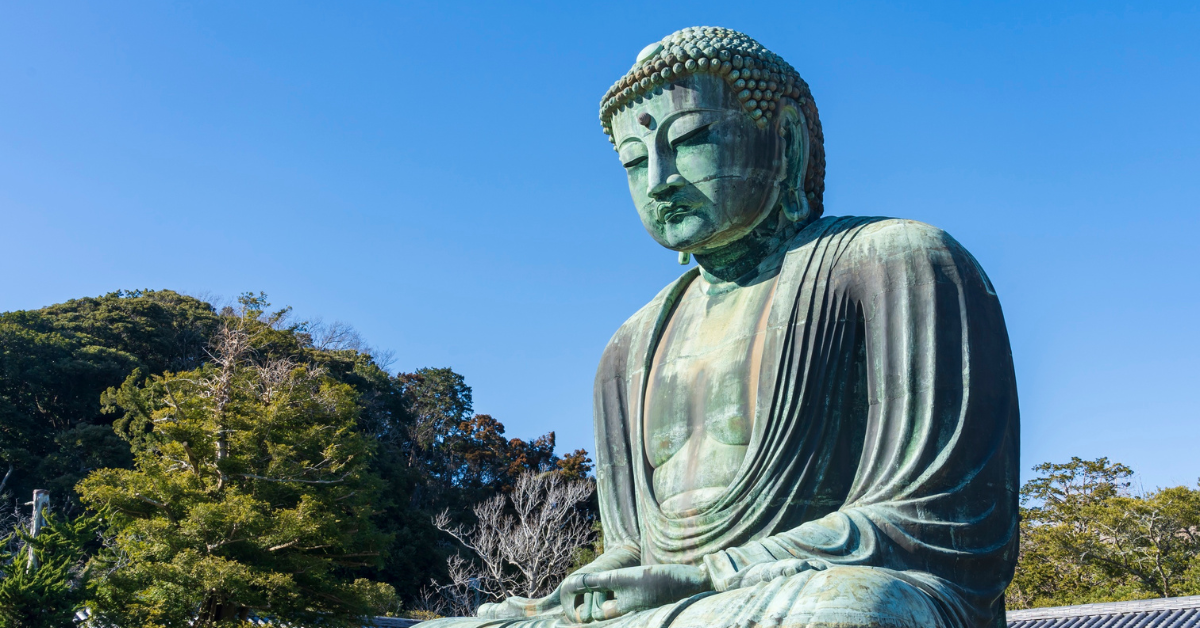
Cast in 1252, this iconic 11.3-meter open-air bronze Amida Buddha statue has survived tsunamis and earthquakes for centuries. Visitors can even step inside the hollow bronze interior for a small entrance fee.
Hakone Ropeway & Owakudani Volcanic Valley Open in Maps +
Glide over active sulfur vents and hot spring steam clouds on the Hakone Ropeway. Try Owakudani's famous Kuro-tamago (black eggs boiled in volcanic waters), said to add seven years to your lifespan.
Yokohama Chinatown (Chukagai) Open in Maps +
Established in 1859, this is Japan's largest Chinatown. Explore ten colorful ornate entry gates, historic temples (Kanteibyo), and vibrant street food alleyways.
Enoshima Island Shrine & Sea Candle Tower Open in Maps +
Walk across the 600-meter bridge to Enoshima Island. Visit the cliffside Iwaya caves, stroll through Samuel Cocking Garden, and climb the Sea Candle observation tower for 360-degree ocean views of Mt. Fuji.
Explore More Guides
Plant-based travel, regional food tours, and prefecture guides.
How to Stay Vegan in Countryside Japan
Essential tips for navigating regional food stalls, translating ingredients, and finding hidden vegan gems.
Read GuideYokohama Travel Guide
Minato Mirai skyline, Cup Noodles Museum, Chinatown dim sum, and waterfront cafes.
Read GuideBrowse All Japan Guides
Explore travel routes, street food, and itineraries for Tokyo, Osaka, Kyoto, and Niigata.
Read Guide