Can you eat plant-based at Japanese convenience stores? Yes, but careful product selection is required. 7-Eleven, Lawson, and FamilyMart stock reliable vegan staples, including plain salted rice balls (Shiro-musubi), edamame, hot-case hash browns, roasted sweet potatoes, black coffee, and unflavored soy milk. Because many ready-to-eat meals contain hidden fish stock (dashi) or dairy derivatives, scan ingredient labels carefully or visit Natural Lawson locations for certified vegan options.
How to Identify Vegan Snacks and Read Japanese Labels
Japan’s convenience stores—known as konbini—operate 24 hours a day in almost every neighborhood across Tokyo, Kyoto, Osaka, and regional towns. They offer an essential food resource when traditional restaurants are closed, but identifying suitable foods requires verifying ingredients on every package.
Foods that appear vegan-friendly at first glance—such as seaweed rice balls, vegetable wraps, cold pasta salads, or instant soups—regularly contain hidden bonito flakes (katsuobushi), fish broth (dashi), egg derivatives, milk solids, or pork fat (lard).
Essential Kanji & Japanese Terms on Allergen Lists
Use translation apps like Google Translate or Papago to check ingredient labels for these non-vegan components:
- かつお節 / カツオ / だし (Katsuobushi / Dashi): Bonito fish flakes / Fish broth
- 豚脂 / ラード (Tonshi / Lard): Pork fat
- ゼラチン (Zerachin): Gelatin
- 乳成分 (Nyūseibun): Milk ingredients / Dairy
- 鶏肉 / 豚肉 / 牛肉 (Toriniku / Butaniku / Gyūniku): Chicken / Pork / Beef
- はちみつ (Hachimitsu): Honey
- 貝エキス (Kai Ekisu): Shellfish extract
Reliable Plant-Based Foods Available Across All Store Chains
These core options are consistently available and suitable for plant-based travelers nationwide:
Comparing 7-Eleven, Lawson, and FamilyMart
Each major brand carries specific plant-based choices alongside hidden ingredients to keep in mind while shopping.
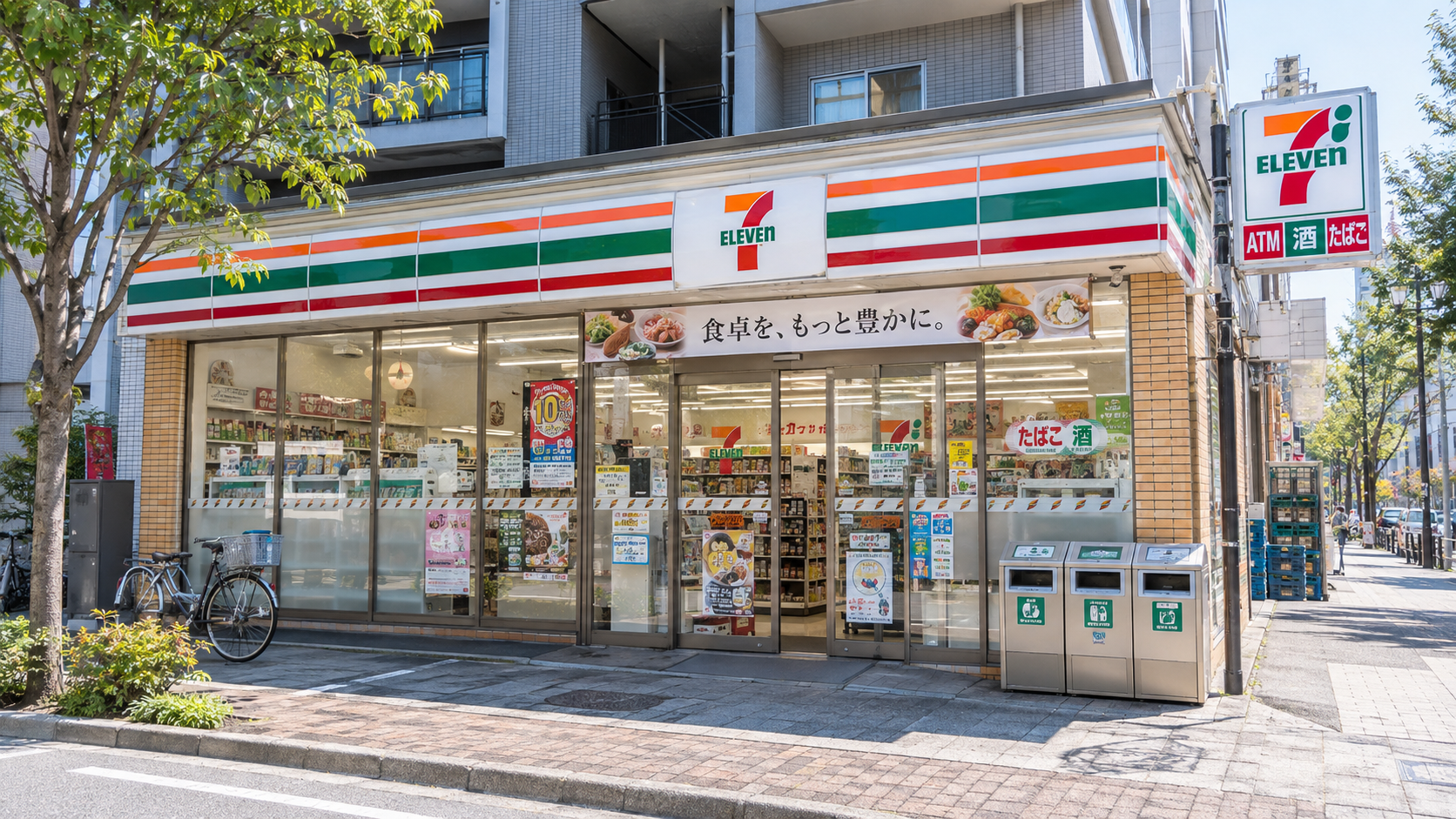 7-Eleven
7-Eleven
MapSafe Options: Salt Rice Balls (Shiro-musubi), Pickled Plum (Umeboshi) Rice Balls, plain soy milk, Tofu Sweets Bars (chocolate flavor), and frozen fruit packs.
Note: Flavored nuts and butter-seasoned snacks often contain milk derivatives. Stick to plain salted nuts.
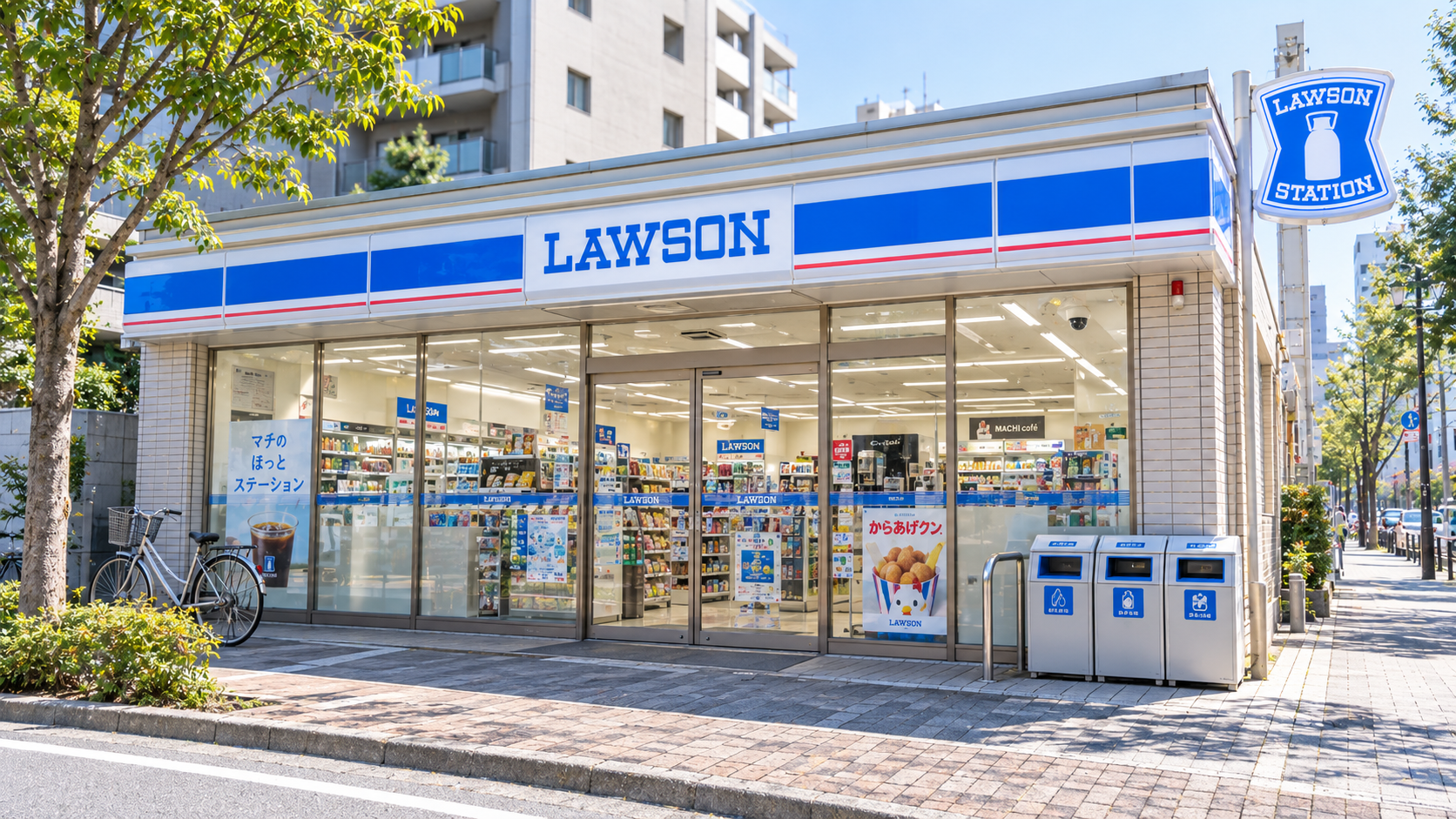 Lawson
Lawson
MapSafe Options: Look for Natural Lawson branches in major cities for certified vegan cookies, Chaya Macrobiotic curries, and soy protein items.
Note: Standard bakery loaves and sweet buns frequently contain milk powder or shortening.
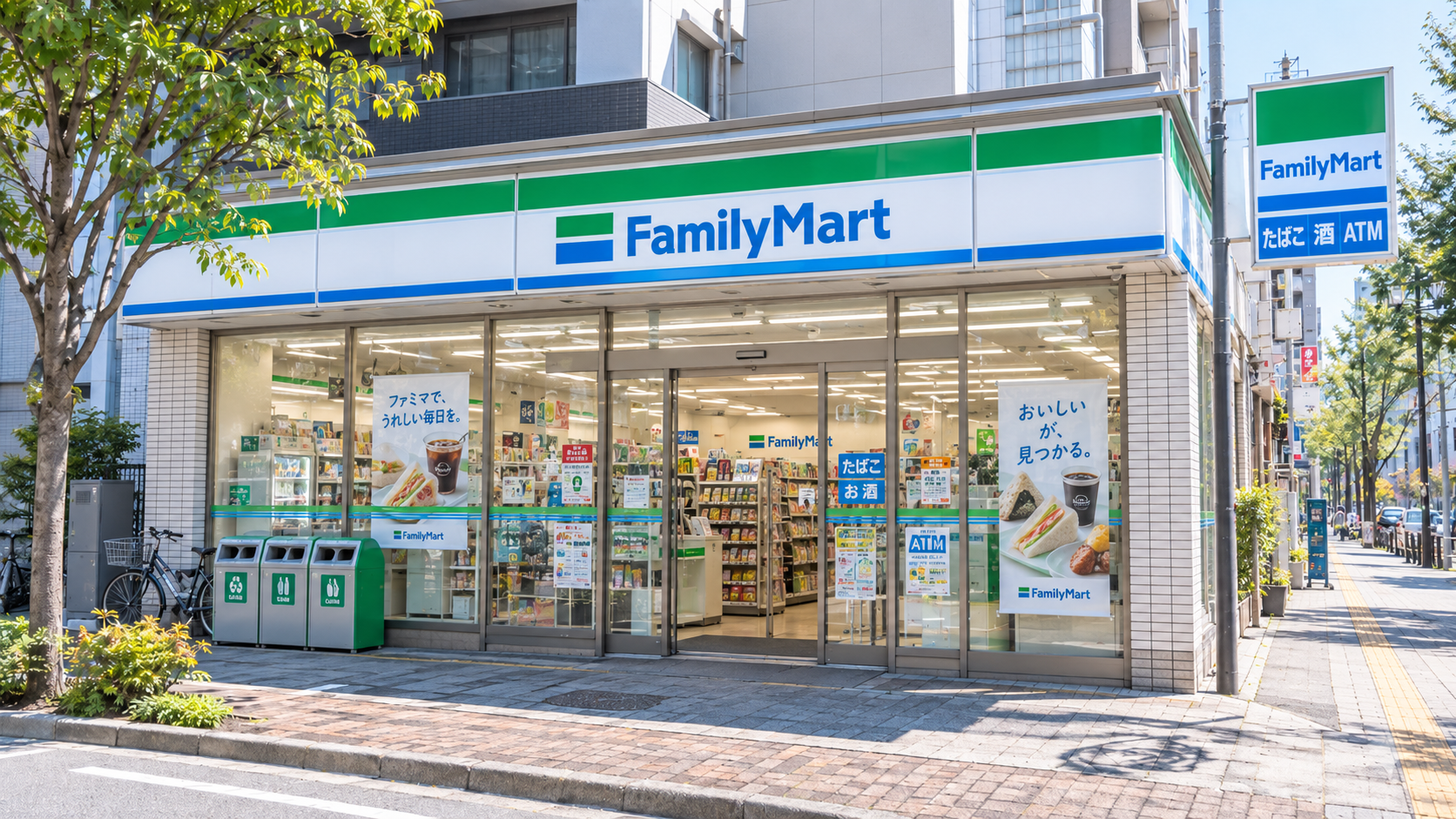 FamilyMart
FamilyMart
MapSafe Options: Tofu noodles in sesame sauce, plant-based curry rice, ready-to-drink oat milk lattes in PET bottles, and hot counter hash browns.
Note: Plum onigiri recipes vary by regional supplier. Check labels for unlisted fish extract.
Common Konbini Food Traps & Hidden Ingredients
Navigating convenience store aisles requires knowing where non-vegan additives hide in plain sight. Here are the main product categories that require extra scrutiny:
1. Cold Soba, Udon, and Ramen Noodle Bowls
While plain buckwheat soba or wheat udon noodles contain no animal products, the included liquid soup base packet (tsuyu) is almost always brewed with bonito flakes (katsuobushi) or fish extract. Unless you discard the sauce packet and season the noodles yourself with soy sauce or sesame oil, pre-packaged konbini noodle meals are not vegan.
2. Chilled Salads & Pasta Salads
Convenience store salads often look entirely plant-based, but dressings regularly include fish stock, egg mayonnaise, or chicken extract. Potato salads and pasta salads frequently contain diced ham, bacon bits, or milk-based dressings. Stick to simple green salads or corn salads with oil-and-vinegar or soy-based dressings.
3. Bread and Bakery Items
Japanese bakery products are known for their soft texture, which is typically achieved using margarine, butter, milk powder, or egg emulsifiers. Plain white sandwich bread (shokupan) may contain animal-derived shortening. Always check bakery labels for dairy (乳成分) or egg (卵) icons.
Plant-Based Drinks, Dessert Options, and Snacks
Finding plant-based beverages and traditional desserts is straightforward when knowing what to choose:
- Soy Milk (豆乳 - Tōnyū): Kikkoman green-labeled plain soy milk is widely stocked. Sweetened and flavored varieties are generally plant-based, though checking for added dairy fat is recommended.
- Bottled Teas & Black Coffee: Green tea (Ryokucha), roasted green tea (Hojicha), barley tea (Mugicha), and black unsweetened coffee in bottles or cans are naturally vegan.
- Traditional Sweets (Wagashi): Skewered rice dumplings in sweet soy glaze (Dango) and soft rice cakes filled with sweet red bean paste (Daifuku) are traditional plant-based treats.
- Fruit Ice Bars: Popular frozen ice pops such as Gari Gari Kun soda and fruit flavors are dairy-free and available in most freezer cabinets.
Konbini Emergency Meal Hacks for Travelers
When you are in a small town or rural location with no dedicated vegan options, you can assemble satisfying DIY plant-based meals using simple konbini ingredients:
Frequently Asked Questions
Are onigiri rice balls in Japanese convenience stores vegan?
Only plain salted rice balls (Shiro-musubi) are guaranteed to be vegan. Pickled plum (Umeboshi) rice balls are usually safe, but seaweed, tuna, and cooked rice balls frequently contain hidden fish stock (dashi), soy sauce made with fish extract, or pork additives.
How do I ask for vegan food at 7-Eleven, Lawson, or FamilyMart?
You can ask store staff: "Kore wa nikukansuru mono to sakana dashi ga haitte imasu ka?" (Does this contain meat products or fish stock?). However, because packaged items are mass-produced, scanning ingredient labels with a translator app is the safest approach.
Are hot counter items like hash browns vegan in Japanese konbini?
Hot-case hash browns (Hashed Potato) are made with potatoes and vegetable oil without dairy coatings. However, they are fried in shared counter fryers alongside meat items like fried chicken.
Can vegans eat konbini cold soba or udon noodles?
The noodles themselves are usually plant-based, but the dipping sauce packet (tsuyu) almost universally contains fish stock (bonito dashi). Unless you replace the included sauce with pure soy sauce or salt, pre-packaged konbini noodle meals are not vegan.
Planning Plant-Based Dining Across Japan?
Explore our guides covering vegan ramen, traditional Shojin Ryori temple dining, and local dining hubs across Tokyo, Kyoto, and Osaka.