Are Japanese desserts vegan-friendly? Yes, but it depends heavily on whether you choose traditional wagashi or modern yōgashi (Western-style sweets). Traditional sweets like daifuku, dango, and yokan are naturally plant-based, using glutinous rice, sweet red bean paste (anko), and seaweed jelly (kanten). Modern bakeries and cream-filled treats (cakes, melon pan, fruit sandwiches), however, almost universally use milk, butter, and eggs unless you visit specialized plant-based bakeries.
1. Traditional Wagashi: Japan’s Naturally Plant-Based Sweets
Japanese confectionery culture separated into two distinct worlds after the Meiji Restoration: Wagashi (和菓子), which are traditional sweets perfected over centuries, and Yōgashi (洋菓子), which are Western-inspired pastries.
Because traditional Wagashi developed alongside Zen Buddhist influences and tea ceremony culture, many classic recipes avoid dairy, eggs, and animal fats entirely. Instead, confectioners rely on rice flours, azuki red beans, chestnuts, sesame, and seaweed-derived gels.
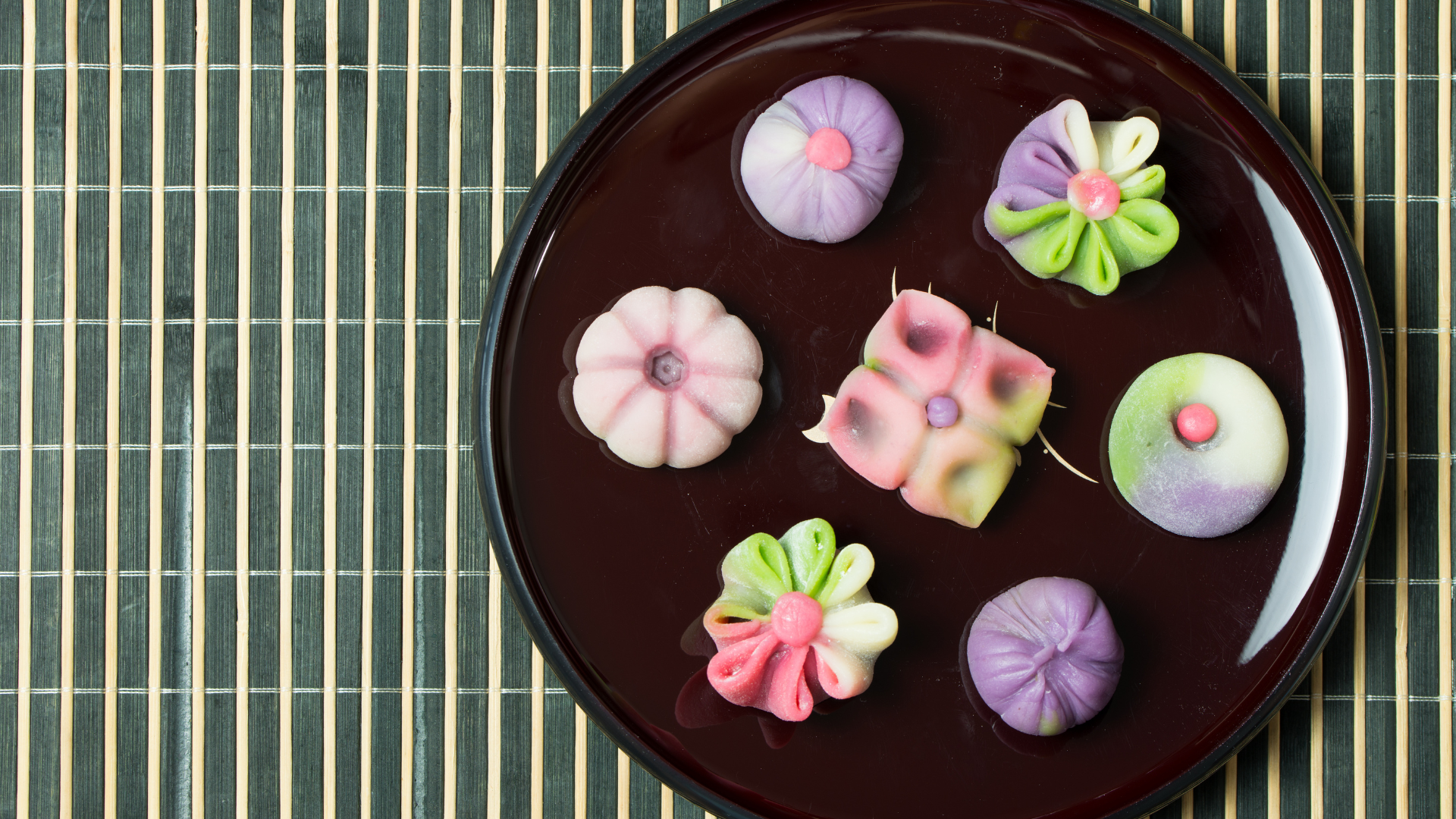
Handcrafted Nerikiri & Mochi
Artisanal tea ceremony sweets crafted from white bean paste (shiro-an) and rice flour, shaped by hand to reflect changing seasons like cherry blossoms and autumn leaves.
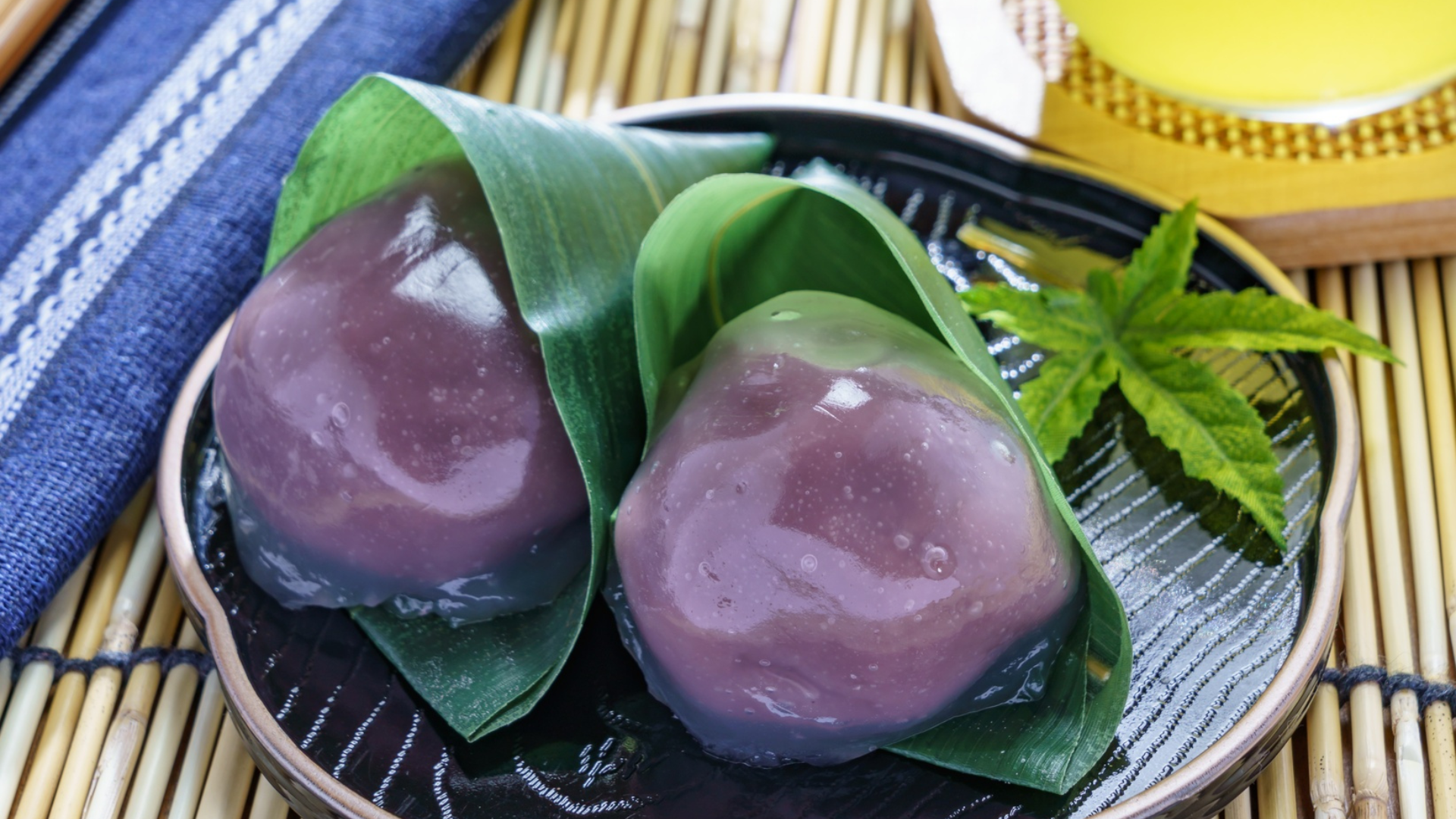
Fresh Dango & Bean Paste Sweets
Chewy rice dumplings served on skewers glazed with sweet soy glaze (Mitarashi Dango) or dusted with toasted soybean flour (Kinako).
Hidden Non-Vegan Ingredients in Desserts & Bakery Goods
While traditional sweets are generally safe, modern sweet shops, supermarkets, and bakery chains frequently incorporate dairy, gelatin, or honey into traditional items to alter texture or extend shelf life.
Kanji Terms to Watch on Sweet Packaging
Scan dessert boxes and confectionery labels for these common non-vegan additives:
- 乳成分 (Nyūseibun): Milk / Dairy ingredients
- 卵 (Tamago): Egg
- ゼラチン (Zerachin): Gelatin (derived from animal collagen)
- はちみつ / 蜂蜜 (Hachimitsu): Honey (frequently found in Dorayaki and Castella cakes)
- マーガリン (Māgarin): Margarine (may contain milk solids or animal fats)
- ショートニング (Shōtoningu): Shortening (often animal-derived unless marked vegetable oil)
- 練乳 (Ren'nyū): Sweetened condensed milk
2. Modern Plant-Based Bakeries: The Vegan Yōgashi Movement
Over the past few years, specialized bakeries across Tokyo, Kyoto, and Osaka have reinvented Western-style pastries—creating dairy-free croissants, eggless donuts, cream-filled fruit sandwiches, and gluten-free fruit tarts.
The Standard Bakery Trap
Standard Japanese bakeries (like Andersen, Vie de France, or Little Mermaid) heavily use butter, milk powder, and eggs in nearly all loaves—including plain white sandwich bread (shokupan) and sweet melon pan. Unless you visit a dedicated plant-based bakery, assume standard bakery items contain dairy and eggs.
Top Modern Vegan Sweet Innovations to Try in Japan:
- Vegan Fruit Sandwiches (フルーツサンド): Fluffy white bread stuffed with fresh seasonal Japanese fruit (strawberries, melon, shine muscat grapes) and whipped soy or oat cream.
- Soy & Rice-Flour Fruit Tarts: Crisp tart shells made from almond and rice flour filled with soy pastry cream and topped with fresh fruit.
- Vegan Melon Pan: Classic Japanese sweet bread with a crunchy outer cookie shell, made without butter or eggs.
- Plant-Based Soft Serve (Soft Cream): Soy milk, oat milk, or almond milk soft-serve ice cream available around major sightseeing hubs like Asakusa, Arashiyama, and Omotesando.
Where to Find Dedicated Vegan Sweet Shops in Major Cities
If you prefer buying from 100% plant-based bakeries where you don't need to read ingredient labels, check out these major hubs:
Frequently Asked Questions
Are traditional Japanese sweets (wagashi) always vegan?
Most traditional wagashi—such as dango, daifuku, yokan, and manju—are naturally plant-based because they rely on rice flour, agar-agar (kanten), and sweet red bean paste (anko). However, modern variations and mass-produced versions may add dairy derivatives, honey, or gelatin, so checking ingredients is recommended.
What non-vegan ingredients hide in modern Japanese baked goods?
Western-style bakeries in Japan heavily rely on unsalted butter, milk powder (nyūseibun), sweetened condensed milk, eggs (tamago), and animal shortening. Even basic white bread (shokupan) frequently contains milk solids or lard.
How do I ask if a Japanese sweet or dessert is vegan?
You can ask staff: "Kore wa tamago, nyūseibun, hachimitsu wo tsukatte imasu ka?" (Does this use eggs, dairy products, or honey?). You can also specify: "Vīgan対応ですか?" (Is this vegan-friendly?).
Is agar-agar (kanten) vegan?
Yes. Kanten is a traditional Japanese gelling agent made 100% from sea vegetables (red algae). It is used instead of animal gelatin in desserts like Yokan, Anmitsu, and fruit jellies.
Planning More Plant-Based Travel in Japan?
Explore our complete guides to vegan convenience store hacks, traditional Shojin Ryori, and plant-based dining hubs across Tokyo, Kyoto, and Osaka.