Japanese food runs on shun (旬), the short window when an ingredient is at its best. In spring, eat wild mountain greens (sansai), bamboo shoots, and sea bream. Summer is for grilled eel (unagi), cold somen noodles, and salt-grilled ayu. Autumn brings new-crop rice (shinmai), Pacific saury (sanma), and matsutake mushrooms. Winter means hot pots (nabe), oden, snow crab, and winter yellowtail.
What Shun Means (and Why Japanese Menus Keep Changing)
Spend a few months in Japan and you notice the menus never sit still. Strawberry sweets disappear, chestnut everything arrives, and the specials sheet at your local izakaya changes every week. That's shun (旬): the idea that every ingredient has a window, sometimes a few weeks, sometimes a couple of months, when it simply tastes best.
Chefs even split that window into three stages: hashiri (the first arrivals, usually pricey), shun (the peak), and nagori (the last of it, eaten with a little nostalgia). You don't need to memorize any of this. Just order from the specials.
Quick Tip: Order From the Paper Insert
Most izakayas and neighborhood restaurants have a sheet clipped to the menu or taped to the wall, titled 本日のおすすめ (honjitsu no osusume, today's recommendations) or 本日の入荷 (honjitsu no nyuuka, today's arrivals). That's where the seasonal food lives. Can't read it? Point and ask "Osusume wa?" (What do you recommend?).
Spring (March to May): Bitter Greens, Bamboo Shoots, and Sakura Everything
Spring food in Japan tastes a little green and a little bitter, and that's the point. After a winter of heavy hot pots, it feels like a reset.
What to Eat in Spring
Explore Tsukiji Outer Market- Early spring: sansai (wild mountain greens). Fukinoto (butterbur buds) show up first, around March, followed by tara no me (angelica tree shoots) and kogomi (fern fiddleheads) in April and May. You'll mostly meet them as tempura. They're bitter in a way that takes a bite or two to like.
- April: bamboo shoots and sakura tai. Takenoko are dug up before they break the surface, then simmered or cooked into takenoko gohan (bamboo shoot rice). Sea bream caught around cherry blossom season is called sakura tai, and you'll see it as sashimi or simmered whole.
- May: shincha and clams. The year's first green tea, shincha, comes out in May and tastes softer and sweeter than regular sencha. It's also clam season, so order asari no sakamushi (clams steamed in sake) at any izakaya.
Spring Sweets Worth Hunting Down
- Sakura mochi: Pink rice cake with red bean paste, wrapped in a salt-pickled cherry leaf (yes, you can eat the leaf). Kansai versions use bumpy, half-crushed rice; Tokyo's are a thin rolled crepe. People have strong opinions about which is better.
- Ichigo daifuku: A whole strawberry and bean paste wrapped in soft mochi. The convenience store version is fine. One from a proper wagashi shop is a different thing entirely.
Summer (June to August): Cold Noodles, Eel, and Shaved Ice
Japanese summers are hot and sticky, and the food responds in two ways: cold things to cool you down, and rich things to keep your energy up. There's even a word for summer exhaustion, natsubate, and eel is the traditional fix. Heading to Kyoto? Our Nishiki Market food guide covers what to snack on there.
What to Eat in Summer
Explore Nishiki Market Kyoto- All summer: edamame, somen, and hiyashi chuka. Edamame appears at every izakaya, usually next to a cold beer. Somen are very thin wheat noodles served on ice and dipped in cold soy-dashi broth. Hiyashi chuka is cold ramen topped with egg, cucumber, and ham in a sweet-sour dressing. When ramen shops put up a 冷やし中華はじめました sign ("we've started hiyashi chuka"), summer has officially arrived.
- Early summer: ayu. Sweetfish season opens in June. The fish are salted, skewered in a wavy shape so they look like they're still swimming, and grilled over charcoal. Small ones are often eaten whole.
- Late July: unagi on the Day of the Ox. On Doyo no Ushi no Hi (the Midsummer Day of the Ox, in late July and sometimes again in early August), eel shops have lines out the door. Unagi is grilled, glazed in sweet soy, and served over rice. It isn't cheap, and if you'd rather skip the queue, any other summer day tastes just as good.
Two Ways to Cool Down
- Kakigori: Shaved ice, but not the crunchy kind. Good shops shave it so fine it's closer to snow, then top it with fruit syrup, matcha, condensed milk, or sweet azuki beans. Expect lines at the famous places.
- Mizu yokan: A softer, more watery version of yokan (red bean jelly), served cold. Simple, quiet, and very good after a hot walk.
Autumn (September to November): Saury, New Rice, and Chestnut Everything
There's a phrase for this season, shokuyoku no aki ("autumn of appetite"), and it's accurate. The heat breaks, the new rice comes in, and everyone eats more.
What to Eat in Autumn
Explore Hakodate Morning Market- September: sanma and shinmai. When sanma (Pacific saury) shows up on set-meal menus, that's autumn in Japan. It's grilled whole with salt, and yes, you eat the bitter guts too. Locals swear by them. Squeeze sudachi over it, add grated daikon, and eat it with a bowl of shinmai, the year's new-crop rice. Catches have dropped a lot in recent years, so expect smaller fish and higher prices than you might read about.
- Early to mid autumn: matsutake. These wild mushrooms are expensive and intensely aromatic. The classic way to eat them is dobin mushi, a small teapot of broth with matsutake, chicken, and ginkgo nuts. Matsutake gohan (matsutake rice) is the easier way in.
- All autumn: chestnuts and sweet potatoes. Chestnut rice (kuri gohan) at home, chestnut Mont Blanc at every bakery. On cold evenings, listen for the yakiimo truck's song: it sells stone-roasted sweet potatoes wrapped in paper.
- Late autumn: persimmons. Kaki fill the fruit stands in October and November. If you see hoshigaki (dried persimmons), buy some.
Winter (December to February): Hot Pots, Crab, and Fatty Fish
Winter is when a lot of Japanese seafood is at its best. Many fish are fattiest in the cold months, and the Sea of Japan coast has its big crab season. On land, it's all about hot pots and oden.
What to Eat in Winter
Explore Omicho Market Kanazawa- All winter: oden and nabe. Oden (daikon, fish cakes, eggs, and konnyaku simmered in dashi) is sold at many convenience store counters, which makes it one of the cheapest warm dinners in Japan. Nabe hot pots are the sit-down version: one big shared pot on the table.
- New Year: toshikoshi soba and ozoni. On New Year's Eve, people eat toshikoshi soba: long noodles for a long life, easy to bite through to cut off the year's bad luck. On New Year's Day it's ozoni, a mochi soup that changes by region, with clear broth in Tokyo and white miso in Kyoto.
- Midwinter: kanburi and snow crab. Winter yellowtail from the Sea of Japan (kanburi) is rich enough that it's often eaten as buri shabu, swished briefly through hot broth. Snow crab is called Matsuba-gani on the San'in coast and Echizen-gani in Fukui. It's a splurge.
- Late winter: strawberries. Japanese strawberries are mostly a winter fruit, grown in greenhouses. Fukuoka's Amaou is the famous variety, and this is when strawberry sandwiches and strawberry sweets show up everywhere.
How to Eat Seasonally Without Trying Too Hard
A Few Easy Habits
- Walk through a depachika. Department store food halls (Isetan, Takashimaya, Daimaru) are the fastest crash course. Spend ten minutes in the fruit and sweets sections and you'll see exactly what's in season.
- Look for 季節限定. Kisetsu gentei means "limited seasonal," and you'll see it on snack packaging, at cafes, and even at chains. McDonald's Japan's autumn Tsukimi burger is a good example.
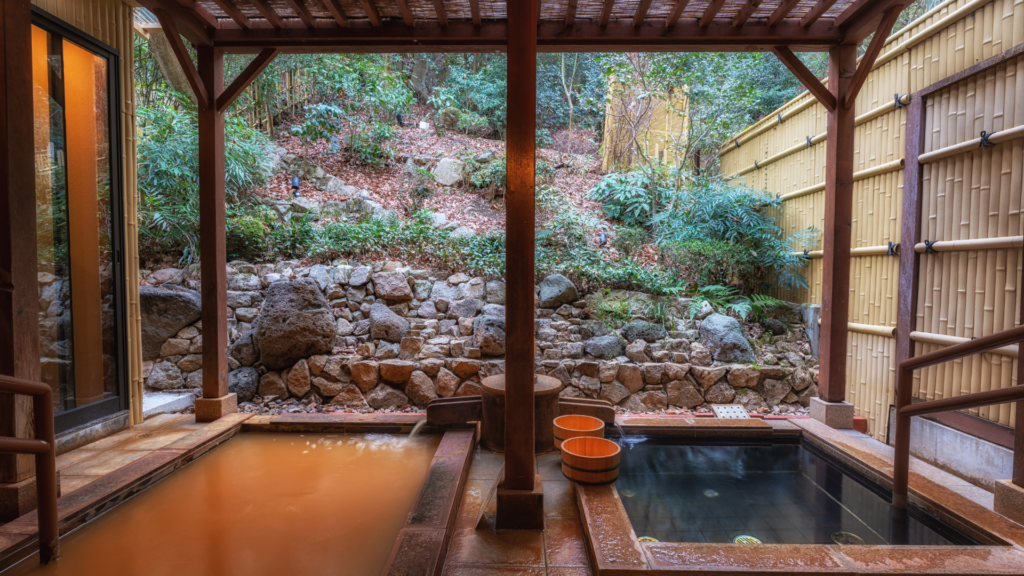
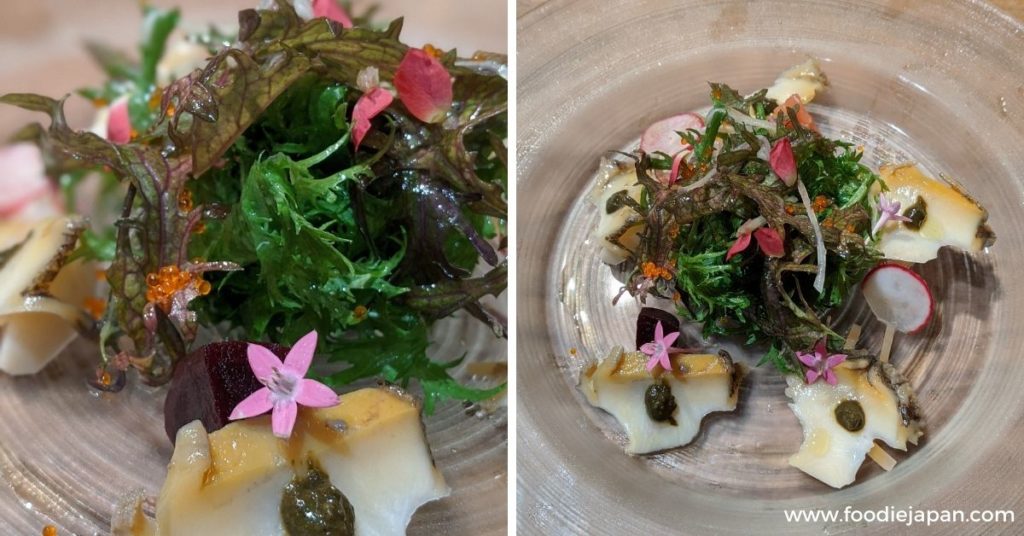
- Book one ryokan dinner. A multi-course kaiseki dinner at a traditional inn is built around whatever is in season that month, down to the plates. Our beginner's guide to Japanese onsen and ryokans explains how it all works.
- Visit a seafood market. Omicho Market in Kanazawa, Hakodate Morning Market, and Shiogama in Miyagi show you what's being caught that week. Ask a vendor what's good today. They usually have an opinion.
Frequently Asked Questions
What is the concept of 'shun' in Japanese food culture?
Shun (旬) is the window, anywhere from a few weeks to a couple of months, when an ingredient tastes its best. Restaurants in Japan change their menus to follow it, which is why seasonal specials appear and disappear throughout the year.
What is the most famous food to eat in Japan during summer?
Unagi (grilled eel) is the best-known summer dish, traditionally eaten on the Midsummer Day of the Ox (Doyo no Ushi no Hi) in late July. Other summer favorites include cold somen noodles, hiyashi chuka, salt-grilled ayu, and kakigori shaved ice.
What foods define autumn in Japan?
Autumn in Japan means sanma (Pacific saury), matsutake mushrooms, new-crop shinmai rice, chestnuts (kuri), persimmons (kaki), and stone-roasted sweet potatoes (yakiimo).
What should you eat in Japan during the cold winter months?
Winter is the season for oden, nabe hot pots, winter yellowtail (kanburi), snow crab from the Sea of Japan coast, toshikoshi soba on New Year's Eve, and ozoni soup on New Year's Day.
How do you spot seasonal specials on a Japanese menu?
Look for 季節限定 (kisetsu gentei, limited seasonal item), 本日のおすすめ (honjitsu no osusume, today's recommendations), or 本日の入荷 (honjitsu no nyuuka, today's arrivals). Many izakayas write these on a separate paper sheet clipped to the menu or posted on the wall.
Planning a Food Trip Across Japan?
Browse all our regional food guides and dining tips.