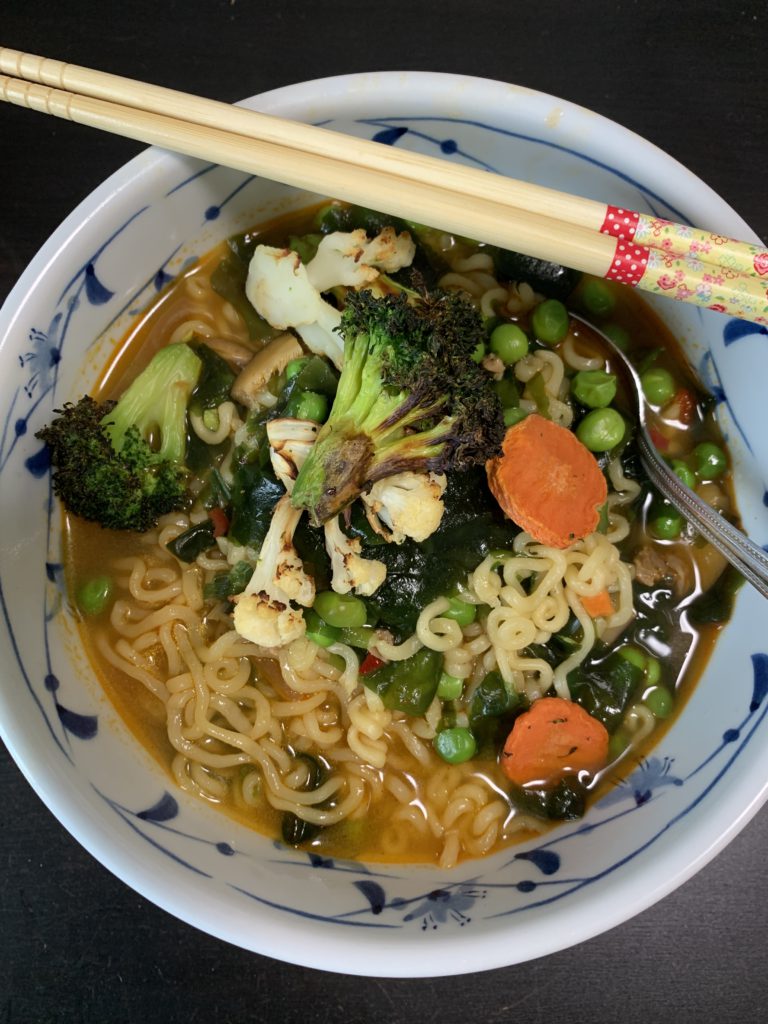
Learning how to order ramen in Japan is much easier than it looks: most shops have an automated ticket machine (shokken-ki) near the door where you insert your money first, press your ramen selection, take your seat, and place your ticket on the counter. Customizations are totally optional. The chef's default bowl is already dialed in. Eat while it's nice and hot, slurp comfortably if you like, and say Gochisousama deshita when you head out. Staff are welcoming, patient, and used to helping travelers.
Understanding How to Order Ramen in Japan: The Core Systems
If you have ever felt nervous about how to order ramen in Japan, take a breath. While Japanese counter shops have their own rhythm, ramen is fundamentally casual everyday comfort food. Staff in busy city hubs welcome international visitors every single day, and nobody expects you to be a seasoned expert on your first visit.
When I first started exploring ramen counters in Tokyo, I quickly realized how common it is to overthink the machine. In reality, standing in front of an unlit console wondering why nothing is happening is practically a universal rite of passage for travelers, and staff are genuinely patient about pointing you in the right direction.
Most shops use one of two straightforward setups:
1. Ticket Machine (食券機 - Shokken-ki)
The system used at most ramen shops across Japan. A vending kiosk by the entrance prints small paper slips for your bowl, toppings, side dishes, and drinks so cooks don't have to handle money while cooking.
2. Verbal Orders & Checklists
Found at classic neighborhood spots where you sit down, order verbally, and pay at the register on your way out. Some shops, like Ichiran, use a fun hybrid: you buy a ticket at the door, then tick off your preferences on a paper checklist at your seat.
Quick Tip: Money Goes In First
On traditional mechanical vending machines, the item buttons remain locked and unlit until you insert physical currency. Slide your ¥1,000 note into the bill slot or drop coins into the tray first, and the buttons will light up right away. If you encounter a modern touchscreen machine, you can usually pick your dishes on screen first and tap an IC travel card (Suica or PASMO) to pay.
Step-by-Step Ticket Machine Routine
Once you see how the flow works, ordering at a machine becomes second nature. Here is the easy five-step sequence:
The 5-Step Counter Flow
Explore Fuunji (Famous for Tsukemen)- 1. Check the Queue: If there is a line, look at what diners ahead of you are doing. At some shops you buy your ticket first, then join the line; at others, staff will invite you inside to purchase right when your seat is ready.
- 2. Feed in Cash: Insert your ¥1,000 notes or coins. If you only carry larger ¥5,000 or ¥10,000 bills and the machine doesn't take them, simply ask the staff for change: "Ryogae onegaishimasu".
- 3. Pick Your Bowl: As a helpful rule of thumb, the top-left button is usually the shop’s house specialty or flagship bowl (Osusume). You can also add side dishes like pan-fried gyoza or sliced, tender braised pork over rice (chashu-don).
- 4. Collect Your Change: Flip the return lever (Otsuri) to get your coins, and scoop up your printed paper tickets from the tray.
- 5. Hand Your Ticket Over: Sit at your counter stool and set your ticket on the raised ledge. The chef will pick it up and get straight to boiling your noodles.
What to Do If You Get Stuck?
Never worry about holding people up. If you are struggling with a machine that has no English labels, simply step to the side and gesture for the person behind you to go ahead. You can catch the eye of a staff member, point to a photo on the menu board, and say: "Kore kudasai" (This one, please). They will happily guide you to the right button.
Customizations (Fun, but Totally Optional!)
At specialty shops, especially Hakata-style tonkotsu (pork bone) or rich Iekei (Yokohama style), the chef might ask you a question when taking your ticket. You do not need to memorize any of this to have a great meal. The house recipe is already balanced to perfection, so if you are ever unsure, just reply with "Futsuu" (regular).
Handy Words If You Want to Customize
- Noodle Texture (Men no Katasa): Katame (Firm, great for keeping a bite in hot broth), Futsuu (Regular), Yawarakame (Soft). Hakata shops also offer extra-firm styles like Barikata.
- Broth Richness (Aji no Koisa): Koime (Richer / saltier), Futsuu (Standard), Usume (Milder / lighter).
- Oil Level (Abura no Ryou): Oome (Extra aromatic oil or pork fat), Futsuu (Standard), Sukuname (Lighter on oil).
- Jiro-Style Garlic: At famously hearty Ramen Jiro-style shops, the chef will ask "Ninniku iremasu ka?" (Would you like garlic?) right before handing over your bowl. Say "Ninniku onegaishimasu" for yes, or "Nashi de" for none.
Common Topping Kanji Cheat Sheet
Explore Ichiran ShinjukuIf you want to add extra toppings and the machine only has Japanese characters, look for these common pairings:
- 味玉 (Ajitama): Seasoned soft-boiled egg with a gooey, savory yolk.
- チャーシュー (Chashu): Extra slices of braised pork belly or loin.
- メンマ (Menma): Seasoned, crunchy bamboo shoots.
- 海苔 (Nori): Crisp sheets of dried seaweed that soak up the broth.
- ネギ (Negi): Freshly chopped scallions for a crisp, refreshing bite.
- 大盛り (Oomori): An extra-large serving of noodles in your bowl.
Counter Culture: Slurping, Water, and Extra Noodles
Eating at a counter is cozy and casual. There is no strict etiquette test you have to pass, but knowing how locals enjoy their meal makes the experience feel seamless.
Slurping & Counter Amenities
Explore Rokurinsha (Famous for Tsukemen)The Story on Slurping: You will hear plenty of slurping (making that distinct zuru-zuru sound, from the verb susuru). It is completely normal, practical, and not at all rude: taking in air cools the noodles on the way in and aerates the broth. That said, don't worry about forcing it if you aren't used to it. Eat in whichever way feels comfortable to you!
Self-Service Water & Condiments: In many shops, water is self-service. Grab a cup from the counter or fill up at the dispenser near the door. Complimentary condiments on the table (like white pepper, sesame seeds, chili oil, or pickled ginger) are there for you to experiment with halfway through your bowl.
Craving Extra Noodles? Order Kaedama
At tonkotsu ramen spots with thin Hakata noodles, bowls are served in moderate sizes so the noodles stay springy instead of going soft in the hot broth. If you finish your noodles and still have room for more, you can order a refill!
Just be sure to keep plenty of hot broth in your bowl. Place ¥100 to ¥200 in cash or a Kaedama ticket on the counter and call out: "Kaedama, katame de!" (Noodle refill, firm please!). The cook will boil a fresh basket of noodles for anywhere from a few seconds to under a minute depending on your firmness choice, and drop them straight into your soup.
Easy Things First-Timers Mix Up (and Why It’s No Big Deal)
Little Courtesies Locals Appreciate
- One Bowl Per Diner: Ramen shops typically have just 8 to 12 counter seats, so each adult guest is expected to order their own bowl rather than sharing. Young kids are almost always an exception.
- Moving Along After Your Meal: Ramen is a quick, satisfying bite rather than a lingering lounge experience. Heading out once you are finished keeps the line moving smoothly for the next person waiting outside.
- Tidying Up Your Space: If the shop has a raised upper counter ledge, it is a thoughtful touch to set your empty bowl, cup, and chopsticks up there when you finish. If there is a clean damp cloth (fukin) sitting on the counter, wiping down your spot is a kind gesture chefs generally appreciate.
- Stashing Large Suitcases First: Narrow counter aisles leave very little floor space. Stashing oversized bags in train station coin lockers before heading to small ramen bars makes things much easier for both you and the staff.
- Leaving with a Smile: A warm "Gochisousama deshita" (thank you for the feast) as you leave is the nicest way to wrap up a great meal.
Frequently Asked Questions
How do you order ramen using a Japanese vending machine (shokken-ki)?
Insert your cash first into the bill slot or coin tray, press the lit button for your chosen bowl and any toppings, grab your printed ticket and change, and place the ticket on the counter ledge for the chef. With newer touchscreen machines, you can often select your food first on screen and tap an IC card like Suica or PASMO.
Do you have to slurp your ramen in Japan?
Slurping is completely normal and practical in Japan because it cools boiling-hot noodles and enhances flavor aromatics, but you do not have to force it if it does not feel natural. Eating comfortably is what matters most.
What is kaedama and how do you ask for it?
Kaedama (替え玉) is simply an extra portion of freshly boiled noodles added to your remaining broth, popular at Hakata-style tonkotsu shops. If you still have broth left in your bowl, place 100 to 200 yen or a ticket on the counter and say 'Kaedama kudasai'.
Can two people share one bowl of ramen?
Because ramen counters are small (typically 8 to 12 stools) and run on fast turnover, shops generally ask each adult diner to order their own bowl. Small children sharing with parents are almost always an exception.
What should you do if you get stuck at the ticket machine?
Step to the side to let the next person order, or give the staff a friendly wave. Pointing to a picture and saying 'Kore kudasai' (This one, please) works wonders, and staff are generally happy to help.
Planning a Culinary Journey Across Japan?
Explore our complete master index of regional food guides and insider dining advice.