Finding delicious vegan food in Tokyo is simple once you map out where to go: Shibuya and Harajuku offer casual plant-based izakayas, ramen shops, and burgers, while Shinjuku is home to famous fluffy vegan pancakes and comforting curries. Major transit stops like Tokyo Station, Ueno, and Ikebukuro host popular plant-based ramen counters inside their ticket gates, and historic Asakusa offers naturally plant-based street sweets. Pinning a few verified spots near your sightseeing plans each morning makes dining smooth and stress-free.
How to Plan Your Vegan Meals Across Tokyo
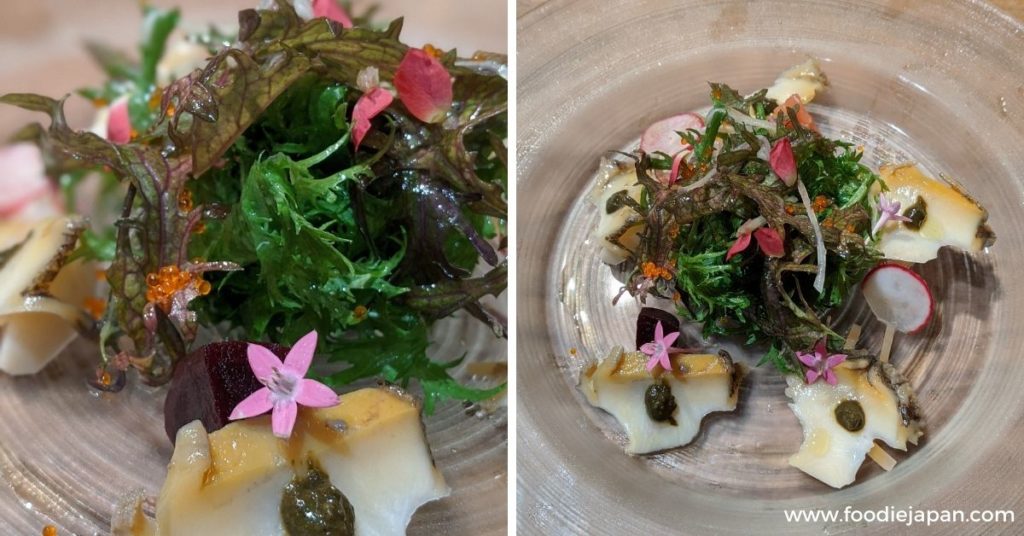
Tokyo's plant-based dining scene has grown significantly over the last several years. Unlike smaller regional towns where options can be limited, Tokyo offers everything from crispy gyoza and garlic-rich ramen to thick soufflé-style pancakes and multi-course seasonal sets.
The easiest way to travel is to plan around dedicated plant-based kitchens. Walking into random neighborhood restaurants hoping for on-the-fly substitutions can be frustrating, as Japanese culinary foundations rely heavily on bonito fish broth (katsuo dashi) and pre-mixed egg batters. Grouping meals around the neighborhoods you plan to explore (like visiting Harajuku after Meiji Jingu, or dining in Shinjuku after Shinjuku Gyoen) keeps your days easy and enjoyable.
Quick Tip: Entering JR Stations for Food (Platform Tickets)
A few popular plant-based counters, including T's Tantan, are located inside the automated ticket gates of major JR train stations. If you are already riding the train network between sights, stopping for a meal is seamless. However, if you are on the street and entering the station only to eat, do not tap in and out with an IC card (Suica or PASMO). Station gates flag same-station exits as an error. Instead, buy a platform ticket (入場券, nyujoken) for around 150 yen at the ticket vending machine, which permits entry to the station concourse for up to two hours.
Shibuya & Harajuku: Plant-Based Izakayas, Ramen, and Comfort Food
Shibuya and neighboring Harajuku are among the best areas in Tokyo for plant-based dining. Between browsing shops along Cat Street and walking the grounds of Yoyogi Park, you will find some of the city's most reliable comfort food.
Vegan Izakaya Masaka (Shibuya PARCO)
Explore Izakaya MasakaLocated in the Chaos Kitchen basement food hall of Shibuya PARCO, Masaka captures the casual feel of a Japanese drinking pub with a 100% plant-based menu. The main draw is their soy-meat karaage (Japanese fried chicken), served with your choice of sauce: grated daikon, Chinese black vinegar, spicy Sichuan mala, sweet and sour, or teriyaki mayo. The menu also includes mapo tofu, pan-fried gyoza, and draft beer. The space is small, with around 20 seats, and operates primarily on walk-ins, so expect a queue during peak dinner hours.
Vegan Bistro Jangara (Harajuku)
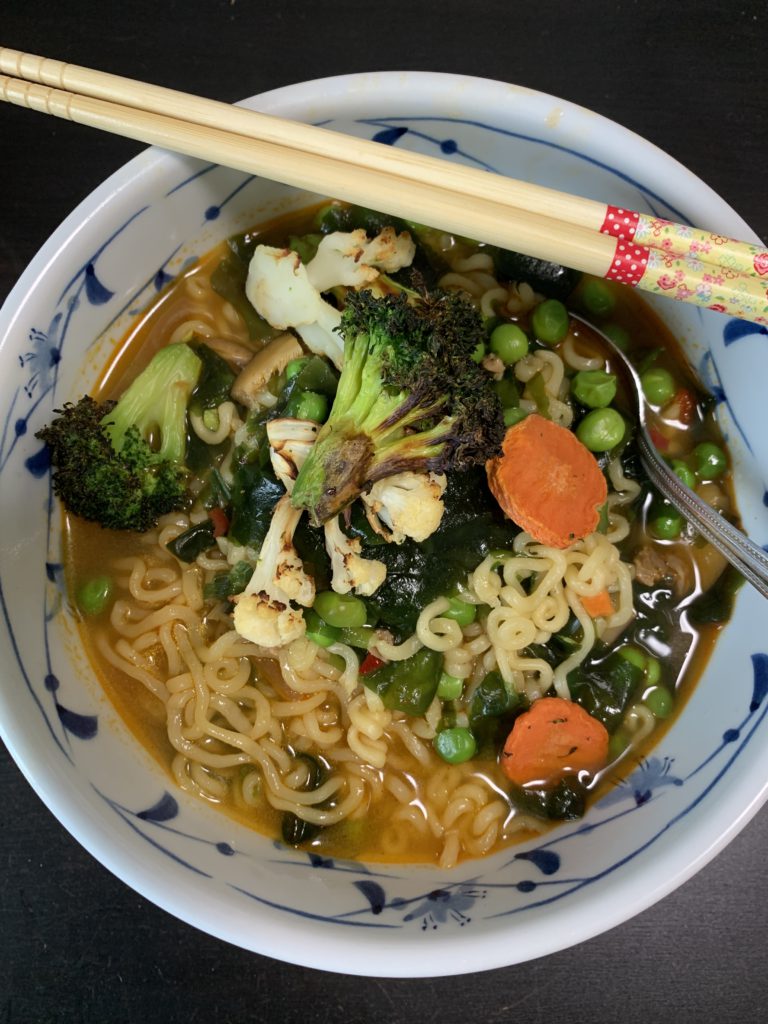
Explore Vegan Bistro JangaraSituated on the second floor about two minutes from Harajuku Station, this spot sits directly above the regular Kyushu Jangara ramen shop. The kitchen serves a plant-based version of rich, garlic-forward tonkotsu-style ramen finished with fragrant fried garlic oil. Alongside ramen, the simple menu features Japanese curry, a plant-based burger, gyoza, karaage, and fries. If you are traveling with non-vegan companions, the ground-floor Kyushu Jangara branch also offers plant-based ramen options on its standard menu.
Shinjuku: Fluffy Pancakes, Curries, and Garden Walks
Shinjuku is a major transport and shopping hub, home to towering high-rises, lively alleys, and the peaceful expanse of Shinjuku Gyoen National Garden. It is also home to one of Tokyo's most well-known vegan dessert stops.
AIN SOPH. Journey (Shinjuku-sanchome)
Explore AIN SOPH. JourneyLocated right by Shinjuku-sanchome Station (exit C5), about a seven-minute walk from Shinjuku Station's East Exit, AIN SOPH. Journey is best known for its thick, fluffy vegan pancakes (priced from around ¥1,870), served with soy whip and fruit. For savory meals, the menu offers a vegetable cutlet plate, spinach green curry, a soy cutlet burger, and gluten-free Genovese or Bolognese pasta. Because it is popular for both lunch and dinner, booking a table in advance through TableCheck is recommended.
Tokyo Station & Major Hubs: Fast-Casual Station Ramen
Whether you are arriving via Shinkansen bullet train or catching an express line out to the airport, Tokyo's train hubs offer reliable, fast-casual meals designed for travelers on the move.
T's Tantan (Gransta Tokyo Station & More)
Explore T's Tantan (Tokyo Station)T's Tantan makes eating on the go around Tokyo much easier. Their Tokyo Station branch is located inside the JR ticket gates along the Keiyo Street shopping passageway. The kitchen specializes in rich sesame tantanmen crafted entirely without meat, fish, eggs, or dairy, with choices like golden sesame, black sesame, and white sesame broth, plus seasonal options like cold lemon ramen in summer. You can pair your bowl with a side of vegan gyoza.
Beyond Tokyo Station, you will find inside-the-gate branches at JR Ueno Station (ecute Ueno) and JR Ikebukuro Station, along with locations in Akihabara and at Narita Airport (Terminals 1 and 2), which are helpful stops before catching a flight.
Handy Japanese Phrases for Dining in Tokyo
- "Watashi wa bīgan desu." (私はビーガンです): I am vegan.
- "Katsuo dashi mo dame desu." (鰹だしもだめです): Bonito fish broth is also not okay for me.
- "Niku, sakana, tamago, nyuuseihin o taberaremasen." (肉、魚、卵、乳製品を食べられません): I cannot eat meat, fish, eggs, or dairy products.
- "Kore wa dashi ni sakana o tsukatte imasu ka?" (これは出汁に魚を使っていますか?): Does the broth in this contain fish?
- "Kore wa bīgan taiou dekimasu ka?" (これはビーガン対応できますか?): Can this be made vegan?
Asakusa & East Tokyo: Historic Sights and Traditional Plant-Based Sweets
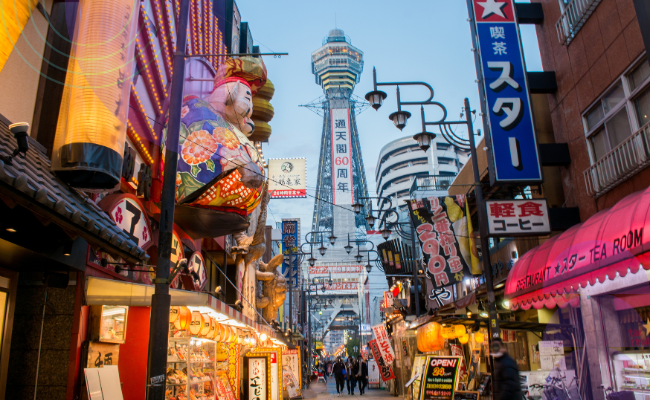
Asakusa retains the atmosphere of historic Tokyo (shitamachi), centered around Senso-ji temple and the bustling stalls along Nakamise-dori. Beyond restaurants, this part of the city is great for sampling traditional Japanese sweets that are naturally plant-based.
Naturally Plant-Based Market Snacks in Asakusa
Explore Senso-ji Temple Area- Yakiimo (Stone-Roasted Sweet Potatoes): Sweet, creamy Japanese sweet potatoes roasted slowly over hot stones until caramelized, sold warm from specialized trucks and shops with zero additives.
- Kaminari-okoshi (Crisp Rice Snacks): Asakusa's traditional puffed rice confection, made with sweet rice, peanuts, and sugar syrup. Many varieties are naturally plant-based, though it is wise to check the package label, as some specialty flavors incorporate honey or dairy.
- Mitarashi Dango: Skewered chewy rice dumplings coated in a glossy sweet-and-savory soy glaze. Check with the vendor to confirm their sauce contains only soy sauce and sugar without fish dashi.
- Daifuku: Soft, chewy mochi stuffed with sweet azuki red bean paste, sometimes wrapped around a whole ripe strawberry or seasonal fruit.
Note on Street Food Etiquette: Eating while walking (tabearuki) is discouraged along Nakamise-dori and around Senso-ji. Plan to step aside and enjoy your snack right in front of the shop or stall where you bought it before moving on.
Smart Tips for Eating Vegan Across Tokyo
Practical Advice for Easy Meals
- Map Out Neighborhood Clusters: Save verified plant-based spots in Google Maps or HappyCow ahead of time. When you wrap up sightseeing in Ueno or shopping in Harajuku, you can head directly to an established kitchen without guessing.
- Mind the Dinner Queues: Walk-in spots like Vegan Izakaya Masaka fill up quickly in the evening. Planning an early dinner (around 5:30 PM or 6:00 PM) helps you avoid long waits outside. For sit-down dining like AIN SOPH. Journey, booking online in advance is the easiest route.
- Rely on Convenience Stores for Quick Bites: When you need a quick bite before an early train, check our guide to vegan konbini snacks for simple staples like salted rice balls (shio musubi), edamame, and fruit pots, or read our tips on finding vegan breakfast across Japan.
- Watch for Hidden Seasonings: When ordering vegetable dishes at conventional eateries, remember that miso soup, simmered greens, and dipping sauces often contain seafood extracts. Read our full breakdown of hidden animal ingredients in Japanese food to know exactly what to double-check.
Frequently Asked Questions
Is Tokyo an easy city for vegan travelers?
Tokyo is the easiest city in Japan for vegans, but it still requires some planning. While conventional restaurants rarely offer spontaneous vegan modifications due to pre-mixed dashi broths, Tokyo is home to dozens of dedicated plant-based restaurants, cafes, and ramen counters clustered in areas like Shibuya, Shinjuku, and around Tokyo Station.
Which Tokyo areas have the best vegan food options?
Shibuya and Harajuku are among the best areas for plant-based dining. You will find casual pub food at Vegan Izakaya Masaka, garlic-forward ramen at Vegan Bistro Jangara, along with plant-based bakeries, burgers, and cafes.
How do you access T's Tantan inside Tokyo Station if you are not taking a train?
T's Tantan is located inside the JR ticket gates on Keiyo Street in Tokyo Station. If you are not already traveling on a JR train, buy a platform ticket (nyujoken) at a station ticket machine for around 150 yen. Do not tap in and out with an IC card at the same station, as ticket gates are programmed to flag that as an error.
Can you find vegan ramen in Tokyo?
Yes. Popular options include T's Tantan for rich sesame tantanmen (with branches inside Tokyo, Ueno, and Ikebukuro stations, plus Akihabara and Narita Airport) and Vegan Bistro Jangara in Harajuku for a garlic-forward tonkotsu-style broth.
Do you need dinner reservations for vegan restaurants in Tokyo?
For popular sit-down dining like AIN SOPH. Journey, booking ahead online through TableCheck is recommended. Casual spots like Vegan Izakaya Masaka in Shibuya PARCO welcome walk-ins, though you should expect a line during peak dinner hours. Station ramen counters operate on walk-ins only.
Planning a Food Trip Across Japan?
Explore our complete master index of regional dining guides, plant-based recommendations, and travel tips.