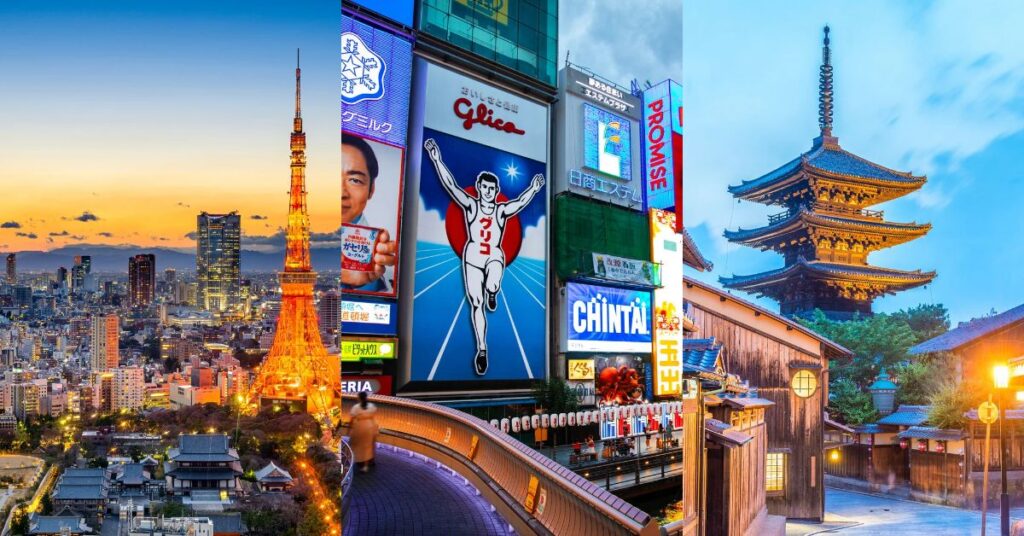
Japan's Kanto Region is the vibrant heart of the country, blending ultra-modern mega-cities with serene natural landscapes and centuries-old cultural heritage. Comprising Tokyo, Kanagawa, Chiba, Saitama, Gunma, Tochigi, and Ibaraki prefectures, Kanto offers an incredibly diverse travel experience.
Whether you want to soak in the therapeutic, sulfur-rich hot springs of Kusatsu, marvel at the ornate, UNESCO World Heritage-listed shrines of Nikko, gaze out over the metropolis from the Tokyo Skytree, or step back into the Edo period in Kawagoe, Kanto has a destination for every type of traveler. Thanks to Japan's impeccable rail network, all of these incredible spots are easily accessible from central Tokyo.
Tokyo: The Modern Metropolis & Historic Heart
As the anchor of the Kanto region, Tokyo boasts an endless array of attractions, but three iconic landmarks stand out as absolute must-visits for any traveler.
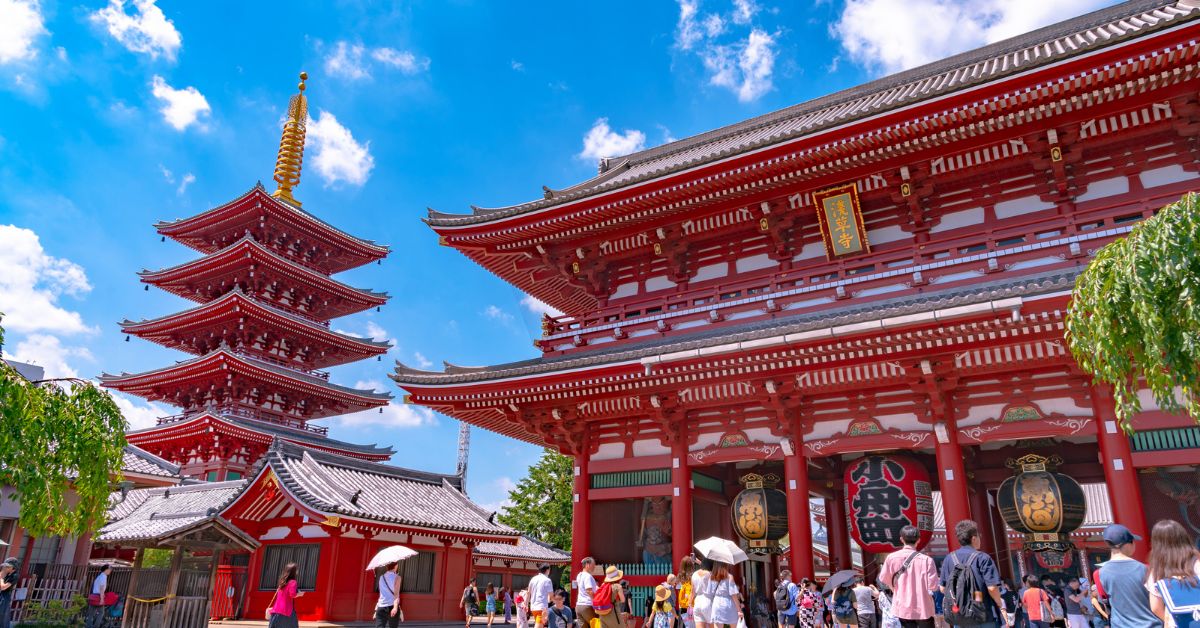
1. Senso-ji Temple (Asakusa, Tokyo)
View on MapTokyo's oldest and most famous Buddhist temple, distinguished by the massive red Kaminarimon (Thunder Gate) and its giant paper lantern.
- The Highlight: Nakamise Shopping Street, a centuries-old 250-meter approach to the temple lined with stalls selling traditional crafts, Ningyoyaki (sweet bean cakes), and fresh rice crackers.
- Pro Tip: Visit just after sunset. The crowds thin out dramatically, and the temple structures are beautifully illuminated, creating a magical atmosphere.
2. Meiji Jingu (Shibuya, Tokyo)
View on MapA tranquil Shinto shrine dedicated to Emperor Meiji and Empress Shoken, set within a massive 170-acre forested park right beside the bustling streets of Harajuku.
- The Highlight: The towering wooden torii gates and the impressive display of decorative sake barrels (kazaridaru) donated by brewers from across Japan.
- Pro Tip: Time your visit for a weekend morning, and you have a high chance of respectfully witnessing a traditional Japanese wedding procession crossing the courtyard.
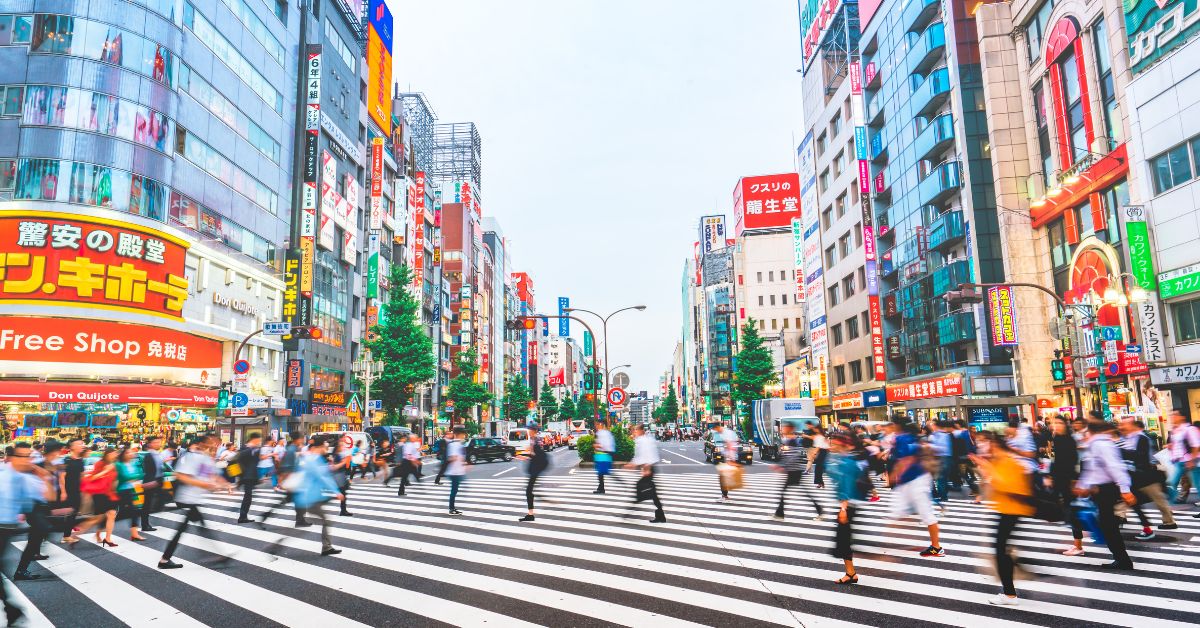
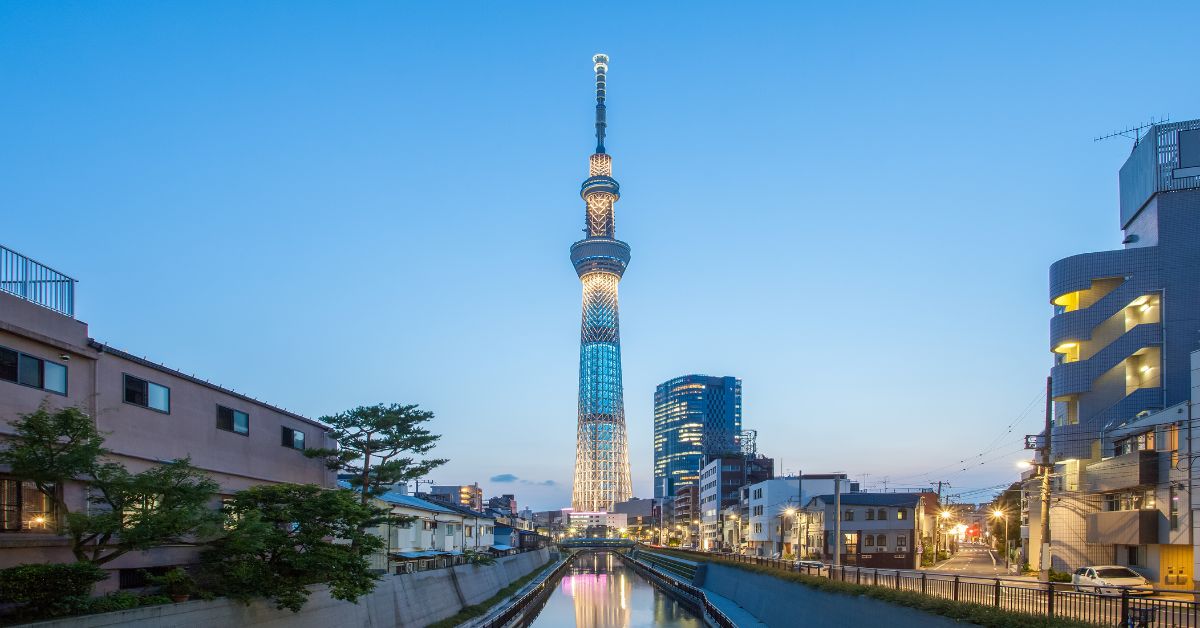
3. Tokyo Skytree (Sumida, Tokyo)
Piercing the skyline at 634 meters, the Tokyo Skytree is the tallest structure in Japan and offers unparalleled, 360-degree views of the sprawling Kanto plain.
- The Highlight: The Tembo Galleria at 450 meters, featuring a sloping spiral skywalk that makes you feel as though you are walking in the clouds.
- Pro Tip: On a crisp, clear winter morning, the Skytree offers one of the best unobstructed views of Mount Fuji available from within the city.
Kanagawa: Coastal History & Volcanic Hot Springs
Located just south of Tokyo, Kanagawa Prefecture offers two of the most popular day-trip and overnight destinations in the entire country.
4. Hakone (Ashigarashimo, Kanagawa)
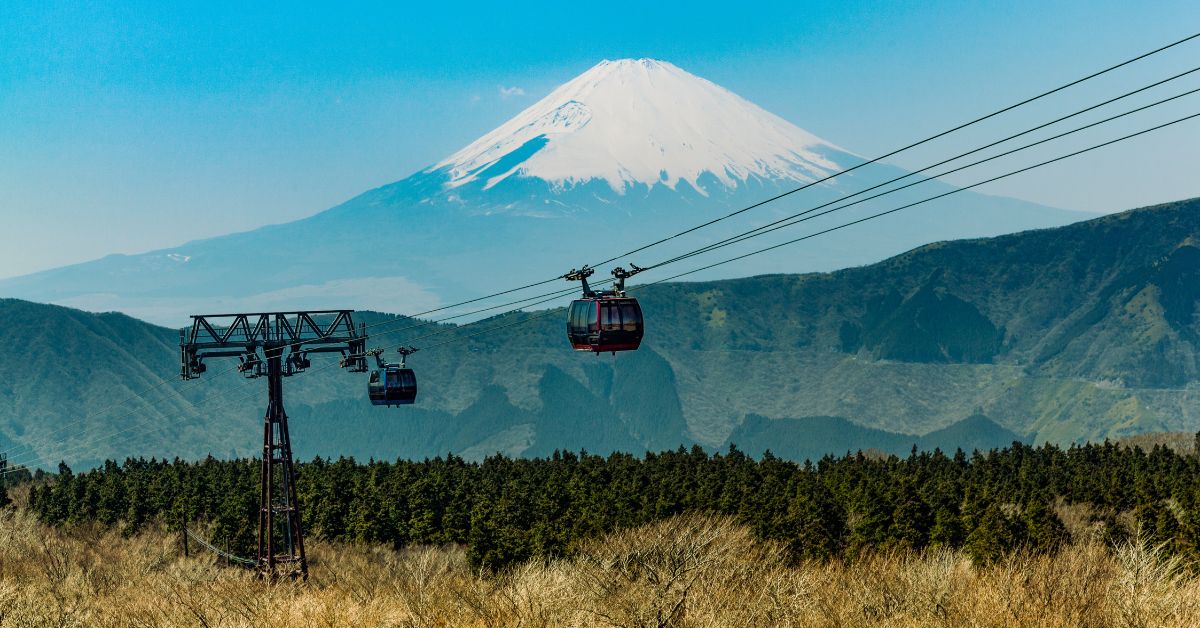
View on MapA mountainous resort town famous for its world-class ryokans (traditional inns), rejuvenating hot springs (onsen), and iconic views of Mount Fuji across Lake Ashi.
- The Highlight: Riding the Hakone Ropeway over Owakudani, an active volcanic valley where you can eat kuro-tamago, eggs boiled in the sulfuric hot springs that turn pitch black. Eating one is said to add seven years to your life.
- Pro Tip: Always check the ropeway's operating status before your trip, as scheduled maintenance closures (such as those in December 2026 and early 2027) will require taking replacement buses.
5. Kamakura (Kanagawa)
Often called the "Kyoto of Eastern Japan," Kamakura is a coastal town rich in political history, dotted with dozens of significant Buddhist temples and Shinto shrines.
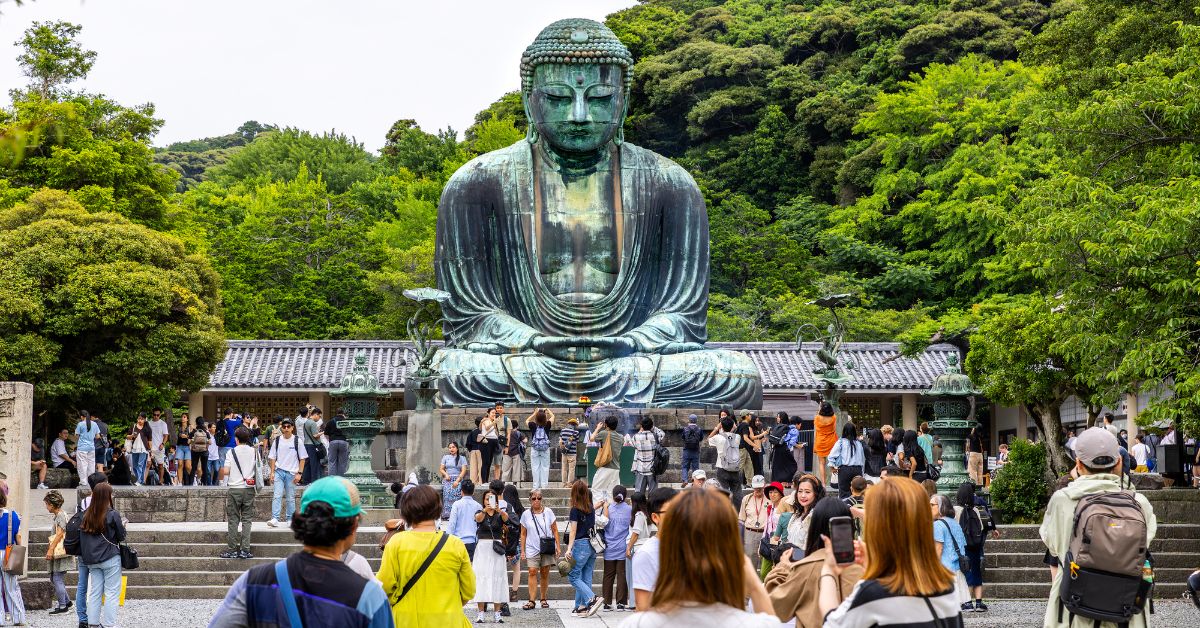
- The Highlight: The Kamakura Daibutsu (Great Buddha) at Kotoku-in Temple. This monumental 11.3-meter bronze statue dates to the 13th century. After its wooden hall was destroyed by storms and earthquakes in the 14th and 15th centuries, the statue has survived seated in the open air.
Northern Kanto: Tochigi, Gunma & Ibaraki
Heading north from Tokyo, the landscape transitions into dramatic mountains, deeply carved valleys, and expansive floral parks.
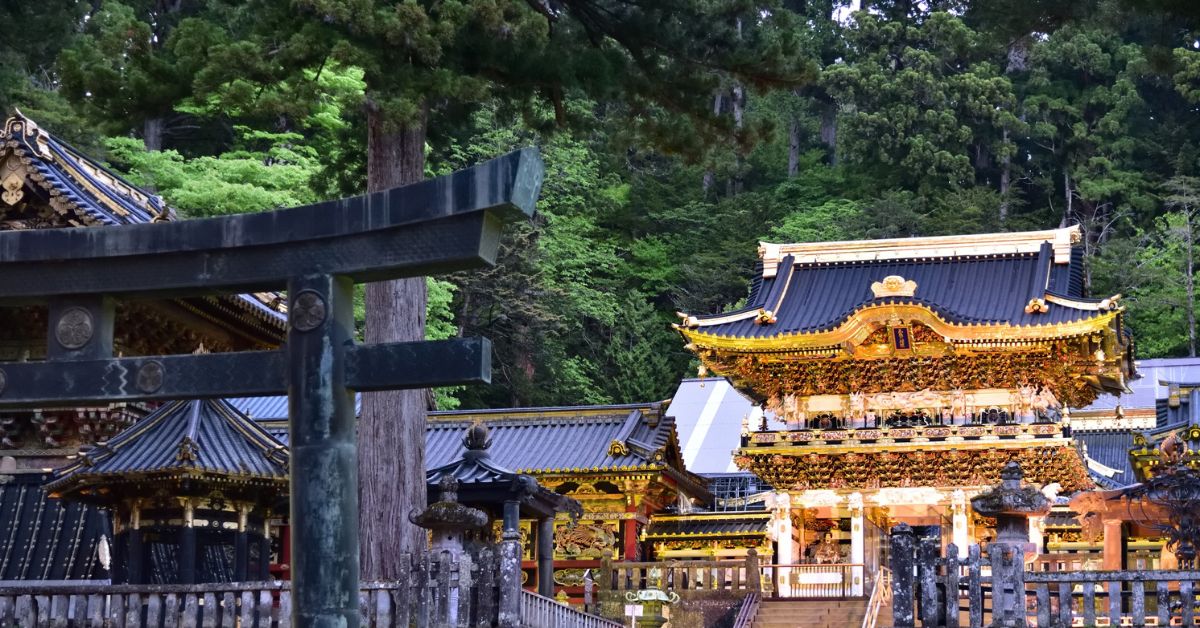
6. Nikko Toshogu Shrine (Tochigi)
View on MapA lavish, brilliantly colored UNESCO World Heritage site that serves as the final resting place of Tokugawa Ieyasu, the founder of the Tokugawa shogunate.
- The Highlight: The incredibly intricate wood carvings that adorn the shrine buildings, including the famous "See no evil, speak no evil, hear no evil" three wise monkeys and the Sleeping Cat (Nemuri-neko).
7. Kusatsu Onsen (Gunma)
Consistently ranked as one of Japan's top three hot spring resorts, Kusatsu boasts the largest volume of naturally flowing thermal water in the country, known for its strong acidity and healing properties.
- The Highlight: The Yubatake (Hot Water Field) in the center of town. Here, scalding geothermal water rushes down wooden chutes to cool before being distributed to local baths. The nighttime illumination is highly photogenic.
8. Hitachi Seaside Park (Ibaraki)
A sprawling park near the Pacific Ocean with roughly 200 hectares open to visitors, famous for its seasonal rolling hills completely blanketed in vibrant flowers.
- The Highlight: The spectacular "Nemophila Harmony" from mid-April through the Golden Week season, where 5.3 million baby blue eyes (nemophila) blend seamlessly into the sky. In autumn, the hills turn fiery red with round Kochia bushes.
Saitama & Chiba: Edo Streets and Magical Kingdoms
Rounding out the Kanto region are two essential spots that provide vastly different atmospheres: a remarkably preserved merchant town and Japan's premier amusement park.
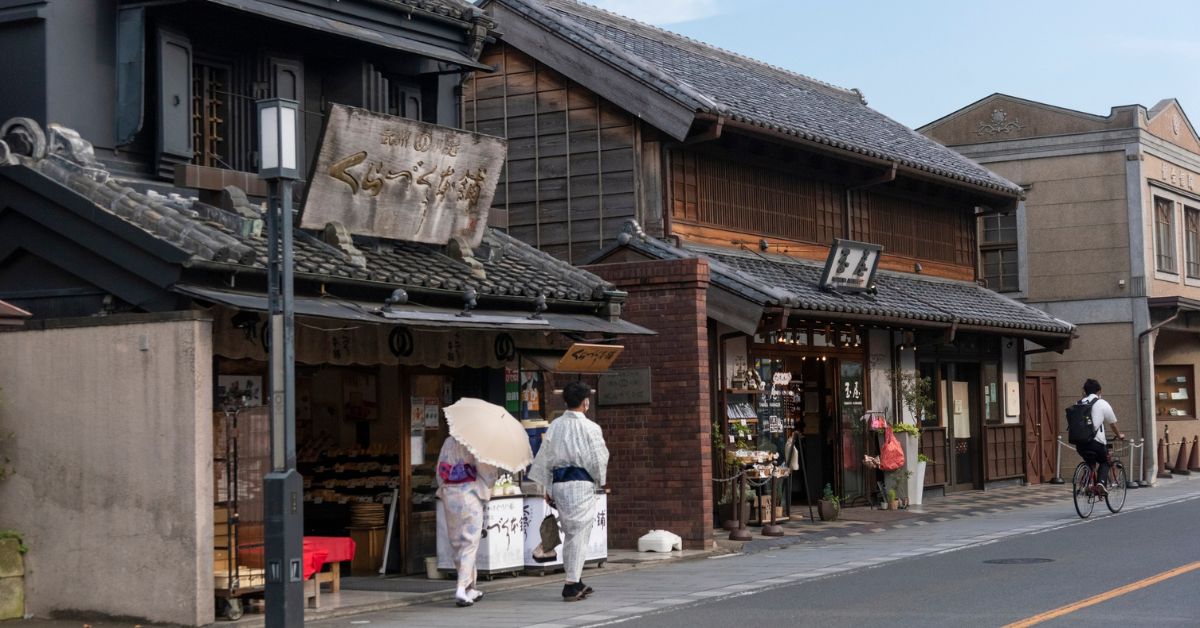
9. Kawagoe "Little Edo" (Saitama)
View on MapAn easily accessible day trip from Tokyo, Kawagoe retains the architectural ambiance of the Edo Period (1603-1868).
- The Highlight: Kurazukuri Street, lined with historic clay-walled warehouse buildings that now house sweet potato treat shops, craft stores, and cafes, overseen by the iconic Toki no Kane (Bell of Time) tower.
10. Tokyo Disney Resort (Urayasu, Chiba)
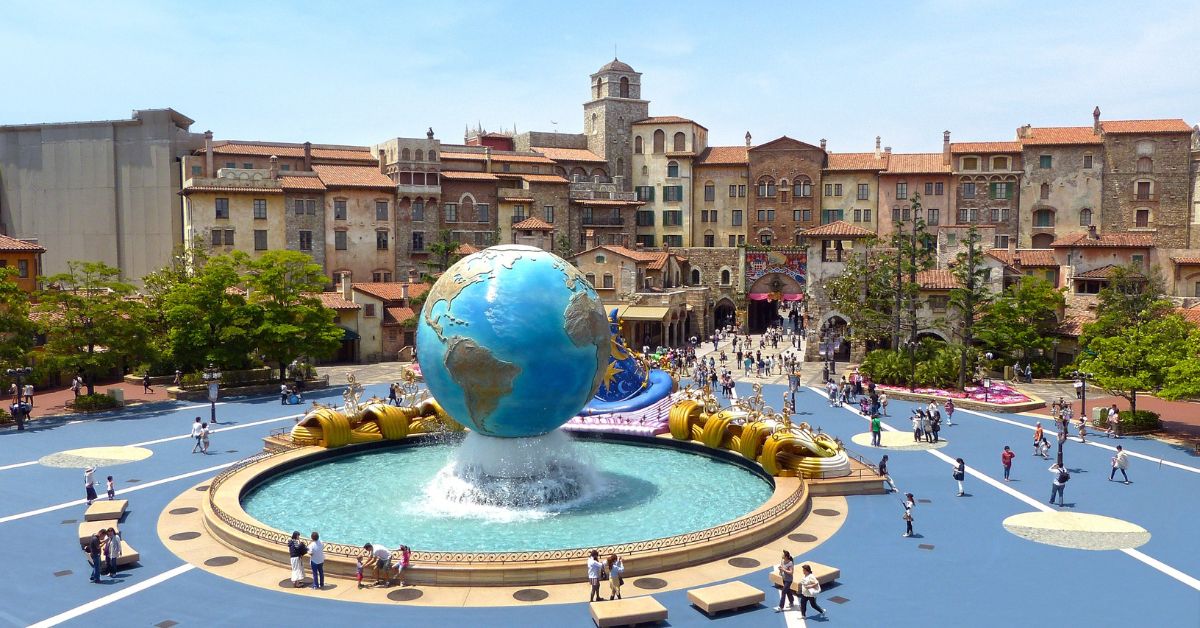
Despite the "Tokyo" in the name, Japan's world-renowned Disney parks are actually located in neighboring Chiba Prefecture.
- The Highlight: While Tokyo Disneyland offers classic magic, Tokyo DisneySea is widely regarded by theme park enthusiasts as the best Disney park on earth, featuring nautical themes, immersive volcanic landscapes, and exclusive rides like Journey to the Center of the Earth.
Smart Travel Tips for the Kanto Region
Getting the Most Out of Your Trip
- Get an IC Card: Purchase a Suica or Pasmo card (available digitally on Apple Wallet). These prepaid transit cards work seamlessly across almost all trains, subways, and buses in the Kanto region, saving you from calculating exact fares.
- Consider Regional Passes: If your itinerary includes trips to Nikko, Kusatsu, or Kawagoe within a short window, look into the JR Tokyo Wide Pass (¥16,000 for adults, ¥8,000 for children). Available only to non-Japanese passport holders, it offers unlimited rides on JR East trains (including shinkansen) across Kanto and select surrounding areas like Karuizawa and Lake Kawaguchiko for 3 consecutive days. Note that to reach Kusatsu, you will need a 25-minute bus ride from Naganohara-Kusatsuguchi that is not covered by the pass.
- Watch the Commuter Rush: Avoid traveling with large luggage on Tokyo and Yokohama train lines between 7:30 AM and 9:00 AM on weekdays. The morning rush hour is famously intense.
- Layer Your Clothing: Kanto summers are intensely hot and humid, while winter winds (especially in northern Tochigi and Gunma) are biting. Always check the seasonal forecast before packing.
Frequently Asked Questions
What prefectures make up the Kanto region?
The Kanto region consists of seven prefectures: Tokyo, Kanagawa, Chiba, Saitama, Ibaraki, Tochigi, and Gunma. It is the most populous region in Japan and serves as the country's political and economic center.
Can you see Mount Fuji from the Kanto region?
Yes! While Mount Fuji is located in the neighboring Chubu region (Yamanashi and Shizuoka prefectures), it is highly visible from various spots in Kanto on clear days. Prime viewing locations include Hakone in Kanagawa, the Tokyo Skytree, and various high-rise observatories across Tokyo.
How do you get around the Kanto region?
The Kanto region is incredibly well-connected by the JR East railway network, various private subway and rail lines, and the Shinkansen (bullet train). Purchasing a regional rail pass, like the JR Tokyo Wide Pass (available only to non-Japanese passport holders), is a cost-effective way to travel if you combine several long trips to destinations like Nikko or Karuizawa. Keep in mind that reaching Kusatsu requires a short local bus ride from Naganohara-Kusatsuguchi that is not covered by the pass.
What is the best time to visit Kanto?
Spring (late March to April) for cherry blossoms and Autumn for vibrant fall foliage are the best times to visit Kanto. Keep in mind that higher elevations like Nikko peak in October, Hakone in November, and Tokyo's city foliage usually peaks from late November into early December. The weather is generally mild, making it perfect for exploring both city streets and mountainous areas.
Planning a Journey Across Japan?
Explore our complete master index of regional guides, cultural etiquette handbooks, and comprehensive travel tips.