
Kagawa Travel Guide: Sanuki Udon, Ritsurin Garden & Seto Art Islands
Your complete guide to Kagawa Prefecture: The artisanal udon capital of Japan, feudal daimyo landscaping at Ritsurin Garden, the 1,368 stone steps of Kotohira-gu, and island-hopping across Naoshima and Shodoshima.
What to Expect From Kagawa Prefecture
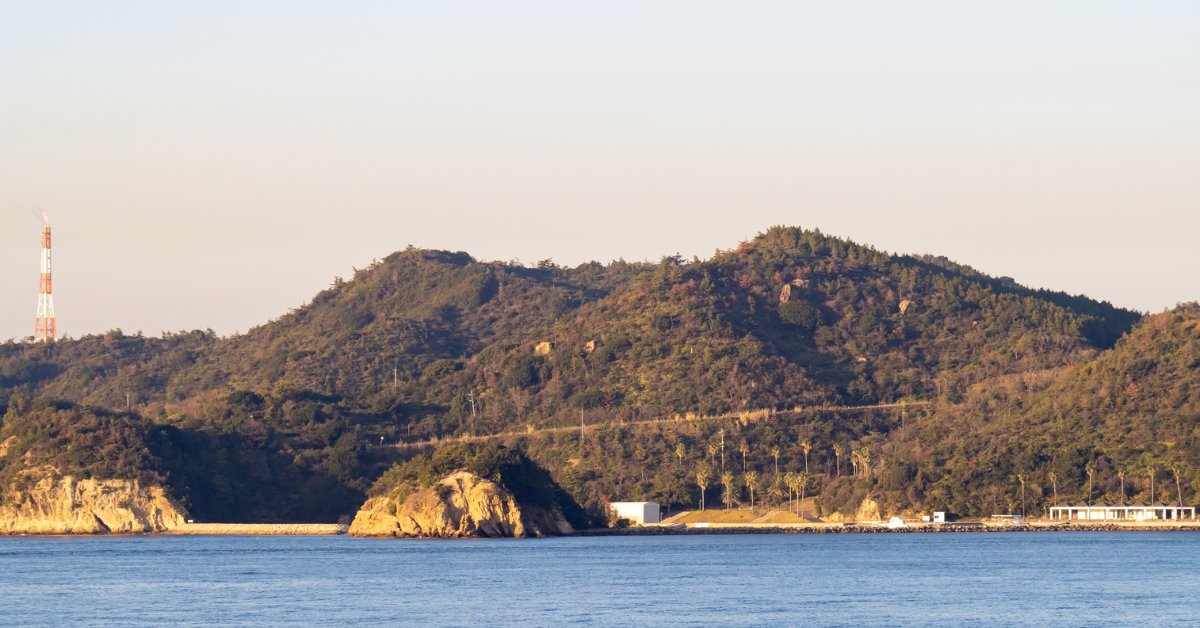
Kagawa may be Japan’s smallest prefecture in physical size, but it commands a massive reputation in food, art, and maritime history. Sitting on the northeastern shoulder of Shikoku along the tranquil Seto Inland Sea, Kagawa is the historic pilgrimage crossroads of Shikoku's 88 Temple Circuit and the epicenter of Japan's legendary Sanuki udon culture.
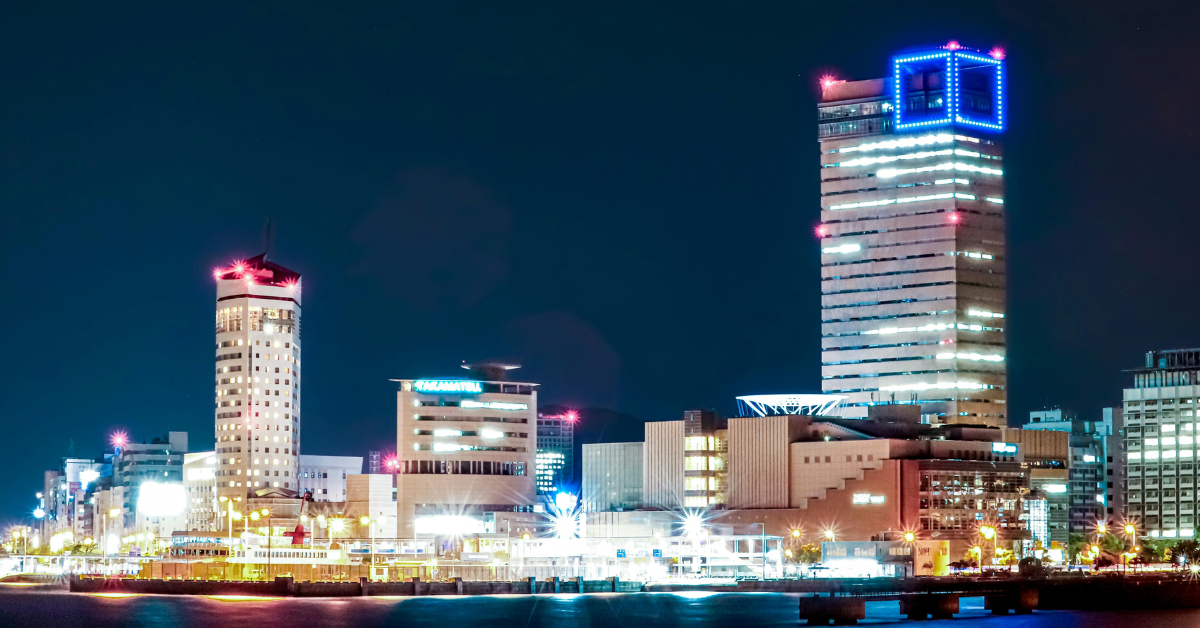
Its capital, Takamatsu, serves as the primary sea gateway to the world-renowned Setouchi art islands (including Naoshima and Teshima) and Shodoshima's olive groves. From the sculpted pine bridges of Ritsurin Garden to the mountain climb of Kotohira-gu, Kagawa is one of Japan's most rewarding regional destinations.
Kagawa Essentials Cheatsheet
Where to Stay in Kagawa: Best Neighborhoods & Bases
Choose your base depending on whether you want island-hopping port access, city dining, or hot springs.
JR Takamatsu Station & Sunport
MapDirect walking access to JR trains, airport limousine buses, and Takamatsu Port ferry terminals. Stay at the JR Hotel Clement Takamatsu for harbor views overlooking departing island boats.
Kawaramachi & Marugamemachi Arcade
MapThe lively commercial downtown surrounding Kotoden Kawaramachi Station. Steps from Japan's longest domed shopping arcade, late-night izakayas, and bone-in roasted chicken (honetsuki-dori) spots.
Kotohira Onsen (Konpira-san Base)
MapHistoric temple town nestled at the foot of Mount Zozu. Soak in thermal onsen baths at traditional ryokans like Kotohira Kadan after tackling the shrine stairs to Kotohira-gu.
Shodoshima Island (Tonosho Port)
MapThe largest island in Kagawa. Stay in beachfront resort hotels near Angel Road, explore century-old wooden soy sauce breweries, and dine on rare olive-fed Wagyu beef.
How to Get to Kagawa & Travel Around
Click a tab below to explore trains across the Great Seto Bridge, local Kotoden rail, island ferries, and rental cars.
The Marine Liner: Crossing the Great Seto Bridge
The primary overland rail gateway to Shikoku crosses the 13 km Great Seto Bridge:
- JR Rapid Marine Liner: Runs every 30 minutes from Okayama Station (Shinkansen hub) to Takamatsu Station in 55 minutes (¥1,550 unreserved, fully covered by JR Pass). Reserve upper-deck panoramic car seats for sweeping views of the Seto Inland Sea islands.
- From Tokyo by Air: JAL and ANA operate direct 75-minute flights from Tokyo Haneda to Takamatsu Airport. Limousine buses connect the airport to central Takamatsu Station in 45 minutes (¥1,000).
- Sunrise Seto Sleeper Train: Japan's iconic overnight sleeper train departs Tokyo Station at 21:50 and pulls into Takamatsu Station at 07:27 the following morning.
Local Transit: Kotoden Train Network
Takamatsu-Kotohira Electric Railroad (Kotoden) operates three vintage train lines centered at Takamatsu-Chikko Station:
- Kotohira Line (Yellow): Connects central Takamatsu to Ritsurin Garden (Ritsurin-Koen Station, 7 min) and Kotohira Shrine (Kotoden-Kotohira Station, 60 min, ¥630).
- Nagao Line (Green) & Shido Line (Red): Connects residential shrines, coastal towns, and eastern temples.
- Kotoden 1-Day Pass: Provides unlimited rides across all three Kotoden lines for ¥1,400. Standard IC cards (Suica, Pasmo, ICOCA) are accepted at all stations.
Island-Hopping Ferries from Takamatsu Port
Takamatsu Port sits directly opposite the JR train station, operating passenger boats to Setouchi islands:
- To Naoshima (Miyanoura Port): Large passenger/car ferry takes 50 minutes (¥520 one-way); high-speed passenger boat takes 30 minutes (¥1,220).
- To Shodoshima (Tonosho Port): Large ferry takes 60 minutes (¥700); high-speed boat takes 35 minutes (¥1,170).
- To Teshima, Ogijima & Megijima: Regular daily ferries connect Takamatsu to Ogijima (40 min) and Megijima (20 min), famous for terraced village paths and Setouchi Triennale art installations.
Exploring Rural Kagawa: Rental Cars & Udon Taxis
While central Takamatsu is walkable, rural udon shrines and coastal viewpoints are easiest by vehicle:
- Udon Taxi Service: Hire a licensed "Udon Taxi" where a certified local driver guides you to secluded countryside noodle mills hidden in mountain valleys.
- Rental Car Road Trips: Essential for reaching Chichibugahama Beach in Mitoyo, Mount Shiude's sakura lookouts, and driving the scenic mountain pass through Kankakei Gorge on Shodoshima.
What to Eat in Kagawa: Sanuki Udon & Regional Dishes
Springy hand-pulled noodles, spicy bone-in roasted chicken, and rare olive-fed Wagyu beef.
Self-Service Sanuki Udon
MapSquare-cut, firm wheat noodles with an unmistakable chewy bite (koshi). Enjoyed as kake (hot dashi broth), kamaage (straight from the boiling cauldron with dipping sauce), or bukkake (concentrated chilled broth with a squeeze of fresh sudachi citrus). Bowls start under ¥350.
Honetsuki-dori (Bone-In Roasted Chicken)
MapOriginating in Marugame City, this whole chicken thigh is oven-roasted until the skin is blistered and crackling, seasoned heavily with garlic, chili, and black pepper. Choose between tender young chicken (hinadori) or deeply flavorful, chewy mature chicken (oyadori), dipping raw cabbage into the pan drippings.
Shodoshima Olive Wagyu (Olive Beef)
MapOne of the rarest certified Wagyu varieties in Japan. Raised exclusively on Shodoshima island, cattle are fed roasted, dried olive pulp leftover from local olive oil pressing. The diet enriches the meat with high levels of oleic acid, giving the marbled fat a melt-in-your-mouth lightness.
Shodoshima Hand-Stretched Somen
MapCrafted using a 400-year-old technique where dough is repeatedly stretched with pure local sesame oil and dried under warm Seto Inland Sea sea breezes. Unlike factory-made somen, Shodoshima’s hand-stretched threads possess an elastic, bouncy bite that holds up in iced water or hot nyumen soup.
Olive Hamachi (Yellowtail Sashimi)
MapHamachi is Kagawa’s prefectural fish. Between September and January, farm-raised yellowtail are fed powdered olive leaves, which naturally infuses the flesh with antioxidants. The sashimi remains firm, translucent, and clean-tasting without any oily fishiness.
Wasanbon Sugar Sweets & Oiri Soft-Serve
MapWasanbon is a premium, ultra-fine powdered sugar pressed into intricate tea-ceremony sweets that dissolve instantly on the tongue. In Kotohira, sample vanilla soft-serve ice cream encrusted with pastel-colored oiri—crisp, hollow rice balls traditionally gifted at local weddings for good luck.
Top Landmarks Worth Your Time in Kagawa
Feudal stroll gardens, mountain pilgrimage shrines, and sandbar tidal paths.
Ritsurin Garden (Special Place of Scenic Beauty) Open in Maps +
Dating back nearly 400 years to the Edo-period Matsudaira daimyo clan, this 75-hectare walking garden is widely hailed as one of Japan's most magnificent landscapes. Stroll past 1,400 sculpted black pines, six reflecting ponds, and the wooden Kikugetsu-tei teahouse, framed by Mount Shiun as a borrowed background landscape.
Kotohira-gu Shrine (Konpira-san Pilgrimage) Open in Maps +
Dedicated to the guardian deity of seafaring sailors, this ancient shrine complex climbs up the slopes of Mount Zozu. Climb 785 stone stairs to reach the Main Hall (Hongu) for commanding views across the Sanuki plain, or hike the full 1,368 steps through cedar groves to the secluded inner Okusha sanctuary.
Shodoshima Angel Road & Olive Park Open in Maps +
A natural sandbar that appears only twice a day during low tide, connecting four small islets to Shodoshima. Couples who cross holding hands are said to receive everlasting love. Nearby, visit Shodoshima Olive Park to see coastal olive orchards and a whitewashed Mediterranean windmill overlooking the calm bay.
Marugame Castle (Japan's Tallest Stone Walls) Open in Maps +
One of only twelve surviving original wooden castle keeps in Japan. Rising atop stacked stone ramparts measuring over 60 meters high—the steepest and highest stone castle walls in Japan—the hilltop fortress commands views of the Seto Inland Sea and the Great Seto Bridge.
Chichibugahama Beach ("Japan's Salar de Uyuni") Open in Maps +
Located in Mitoyo City along the western coast. At low tide during sunset, vast shallow tidal pools turn the 1-kilometer beach into a mirror reflecting the glowing evening sky, creating Bolivia-like salt flat reflection photos.
Explore More of Kagawa & Shikoku
In-depth island itineraries, udon tour circuits, and regional transit breakdowns.
Top Things to Do in Kagawa
A comprehensive day-trip itinerary covering Ritsurin Garden, Konpira-san, and countryside udon mills.
Read GuideShodoshima Island Complete Guide
From Angel Road low-tide strolls to soy sauce brewery tours and Olive Wagyu beef dinners.
Read GuideBrowse All Japan Guides
Explore curated regional guides across Shikoku, Kansai, Tokyo, Hiroshima, and beyond.
Read Guide