
Everything you need to plan your Hokkaido trip, in one place.
Where to stay, what to eat, how to get around by train or rental car, and which destinations are worth carving out real time for across Japan's northernmost island.
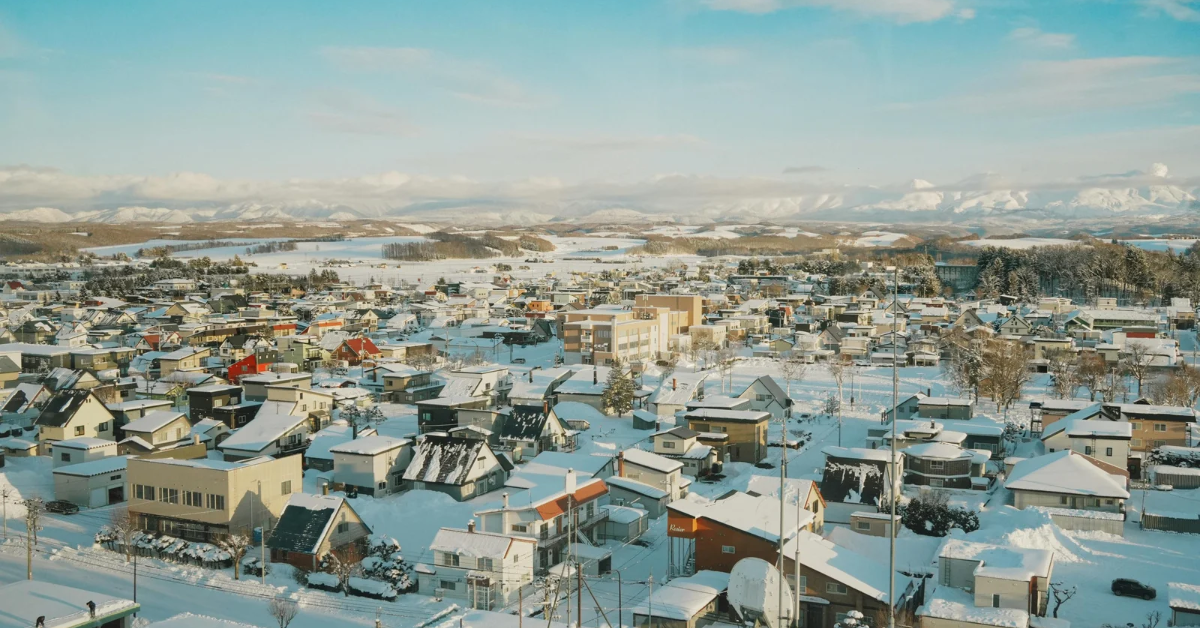
What to Expect From This Hokkaido Travel Guide
Hokkaido is Japan's vast northern frontier, a land of volcanic calderas, world-famous powder snow, rolling flower fields, and unmatched seafood. Because the island accounts for over a fifth of Japan's total landmass, distances are far greater than on the mainland, making realistic route planning essential.
Whether you are chasing deep winter snow in Niseko, strolling the historic canals of Otaru, or feasting on soup curry and king crab in Sapporo, Hokkaido rewards travelers who give its landscapes room to breathe rather than trying to cram the entire island into three rushed days.
Hokkaido Essentials Cheatsheet
Where to Stay in Hokkaido
Pick your base city or resort town based on your season and transit preferences.
Sapporo (Odori & Susukino)
Hokkaido's lively capital and main transit hub. Staying between Sapporo Station and Susukino puts you steps from Odori Park, nightlife, and direct JR trains to New Chitose Airport and Otaru.
Hakodate
Located at Hokkaido's southern tip, famous for its star-shaped Goryokaku Fort, historic red-brick warehouses, morning squid markets, and panoramic night views from Mount Hakodate.
Niseko (Grand Hirafu)
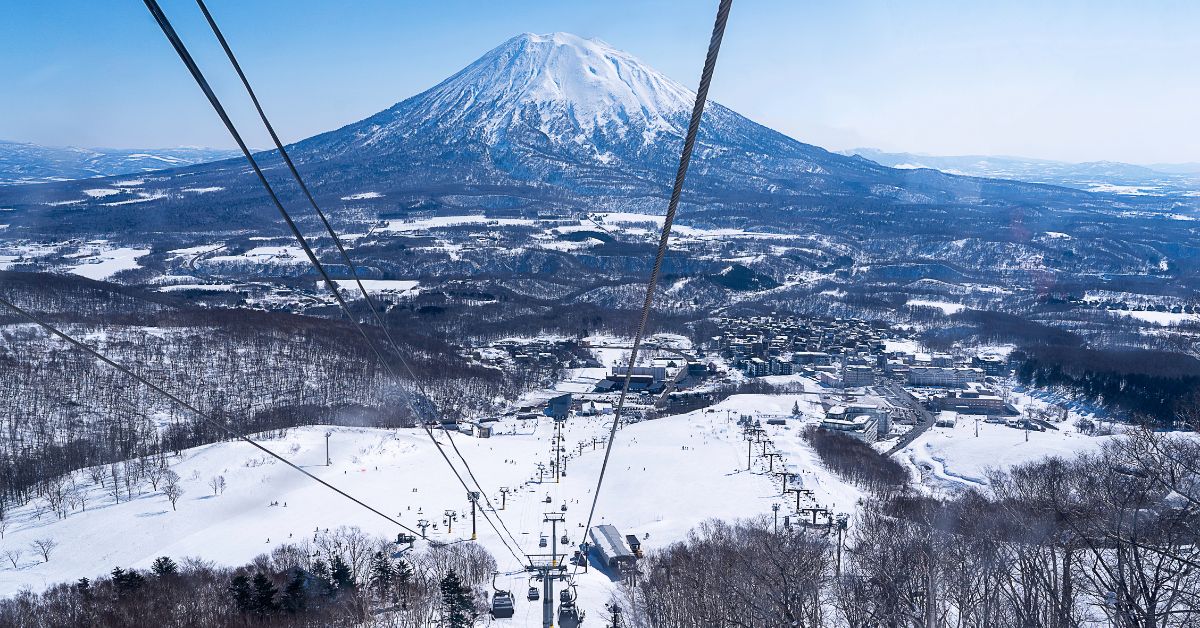
World-renowned for dry powder snow across four interconnected resorts beneath Mount Yotei. In summer, it transforms into a quiet hub for rafting, mountain biking, and hiking.
Furano & Biei
Set in central Hokkaido, this agricultural heartland draws summer visitors for its rainbow flower hills and winter travelers for uncrowded ski slopes and illuminated snowy landscapes.
Getting Around Hokkaido
Click a tab below to understand trains, driving, and IC card limits across the island.
JR Hokkaido Trains & Sapporo Subway
JR Hokkaido connects major cities including Sapporo, New Chitose Airport (37 minutes via Rapid Airport train), Otaru (30 minutes), Asahikawa, and Hakodate (about 3.5 to 4 hours via Limited Express Hokuto).
- Limited Express Seat Reservations: Long-distance Limited Express trains require both a basic fare ticket and a separate limited express ticket. Reserve seats in advance during peak winter and summer holidays.
- Sapporo Subway Passes: Sapporo has three subway lines (Namboku, Tozai, Toho). Look for the discounted Donichika Ticket (¥520 adult) on weekends, national holidays, and Dec 29–Jan 3; on weekdays, the Subway One-Day Ticket costs ¥830.
Self-Driving: Essential for Rural Hokkaido
Outside the Sapporo-Otaru corridor, public transit frequencies drop sharply. Renting a car gives you complete freedom to reach panoramic viewpoints in Biei, trailheads in Daisetsuzan, and remote onsen towns.
- International Driving Permit: Most visitors must carry a valid physical International Driving Permit (1949 Geneva Convention format) alongside their home license and passport. Drivers licensed in Switzerland, Germany, France, Belgium, Monaco, or Taiwan must carry an official Japanese translation of their license instead.
- Winter Driving Caution: From November through April, roads experience black ice, snowstorms, and low visibility. Rental cars come fitted with winter tires, but avoid winter driving unless you are experienced in snow.
IC Cards: Important Regional Limits
Hokkaido's JR IC card is Kitaca, and Sapporo's municipal transit card is SAPICA. Major mainland cards (Suica, Pasmo, ICOCA) work interchangeably within Hokkaido's IC zones.
Crucial Warning: Unlike Tokyo, IC cards do not cover all of Hokkaido. They only work within the Sapporo-Asahikawa area and the Hakodate area separately. You cannot tap an IC card to travel continuously between Sapporo and Hakodate, nor can you use IC cards at stations like Noboribetsu, Toya, Kutchan (Niseko), or eastern Hokkaido. Always buy paper tickets for trips outside those zones.
Airport, Highway & Resort Buses
Intercity highway buses and seasonal resort shuttles often provide more direct access than trains, especially when carrying ski bags or heavy suitcases.
Key Routes: Direct coaches link New Chitose Airport to central Sapporo hotels, Niseko ski resorts, and Noboribetsu Onsen. Many airport and long-distance buses require advance seat reservations online or at airport counters.
What to Eat in Hokkaido
Japan's agricultural and seafood powerhouse offers hearty specialties you won't easily find down south.
Sapporo Soup Curry
Born in Sapporo, this dish pairs a light, deeply aromatic spiced broth with large chunks of flash-fried (su-age) Hokkaido vegetables and tender chicken legs. Rice is served on a separate plate so you can dip each spoonful into the curry.
Kaisendon (Seafood Bowls)
Surrounded by three cold oceans, Hokkaido delivers extraordinary sea urchin (uni), salmon roe (ikura), scallops, and crab. Head to Sapporo's Nijo Market or Hakodate Morning Market before 10:00 AM for the freshest bowls.
Jingisukan (Lamb BBQ)
Slices of lamb or mutton grilled on a dome-shaped cast-iron skillet while bean sprouts and onions sizzle in the savory drippings around the rim. Popular spots in Susukino stay open late and provide lockers or bags to shield your coat from smoke.
Hokkaido Ramen Trio
Each major city claims its own ramen style: Sapporo is famous for rich miso ramen topped with sweet corn and butter, Hakodate specializes in clear salt-based (shio) broth, and Asahikawa is known for soy sauce (shoyu) ramen with a layer of lard to keep it piping hot.
Zangi (Hokkaido Fried Chicken)
Unlike standard karaage, zangi is heavily marinated in a punchy blend of soy sauce, ginger, garlic, and sake before frying, yielding juicy, deeply seasoned pieces that pair naturally with a cold Sapporo Classic draft beer.
Dairy & Soft Cream
Hokkaido produces over half of Japan's raw milk. Even in sub-zero winter weather, locals line up for ultra-rich soft-serve ice cream, double fromage cheesecakes in Otaru, and fresh farm butter pastries.
Landmarks Worth Your Time
Iconic destinations and seasonal timing tips across Hokkaido.
Otaru Canal & Sakaimachi Street+
Just 30 minutes northwest of Sapporo by JR Rapid train, Otaru is a nostalgic port town lined with Victorian-style stone warehouses, glassware studios, and music box museums. Local Strategy: Stay past sunset when gas lamps illuminate the canal, especially during the February Snow Light Path Festival when floating candles fill the water.
Shirogane Blue Pond & Furano Flower Fields+
Located in central Hokkaido, Farm Tomita in Furano bursts with purple lavender in mid-July, while Biei's Shirogane Blue Pond glows vibrant turquoise against silver birch trees. Seasonal Note: From late October to late April, the pond and surrounding birch trees are illuminated at night; once snow blankets the frozen surface in midwinter, the scene shifts from blue water to illuminated snow and shadows.
Noboribetsu Jigokudani (Hell Valley)+
About 75 minutes south of Sapporo by Limited Express train plus a short local bus, this dramatic volcanic crater hisses with sulfurous steam vents and boiling mineral pools that supply Hokkaido's most famous hot spring resort town.
Mount Hakodate & Goryokaku Fort+
Ride the ropeway up Mount Hakodate just before dusk to watch the city lights flicker on across the narrow hourglass peninsula framed by two bays. Pair it with Goryokaku, a massive star-shaped Western-style citadel planted with over 1,500 cherry trees that bloom from late April to early May.
Odori Park & Sapporo Snow Festival+
Stretching 1.5 kilometers through central Sapporo, Odori Park hosts major seasonal events year-round, from summer beer gardens and the autumn harvest fest to the world-famous Sapporo Snow Festival every February, featuring towering illuminated ice and snow sculptures.
Explore More of Hokkaido
More reads to pair with this Hokkaido travel guide. For seasonal events and road conditions, see the Hokkaido Official Tourism Site.
How to Travel Around Hokkaido
Trains, buses, and car rentals for getting around Japan's northernmost island.
Read GuideTop 10 Must-Visit Places in Hokkaido Year-Round
The places worth the trip in every season, from Sapporo to the countryside.
Read Guide10 Underrated Japanese Cities to Visit Other Than Tokyo
Lesser-known Japanese cities worth adding to your route beyond Tokyo.
Read Guide