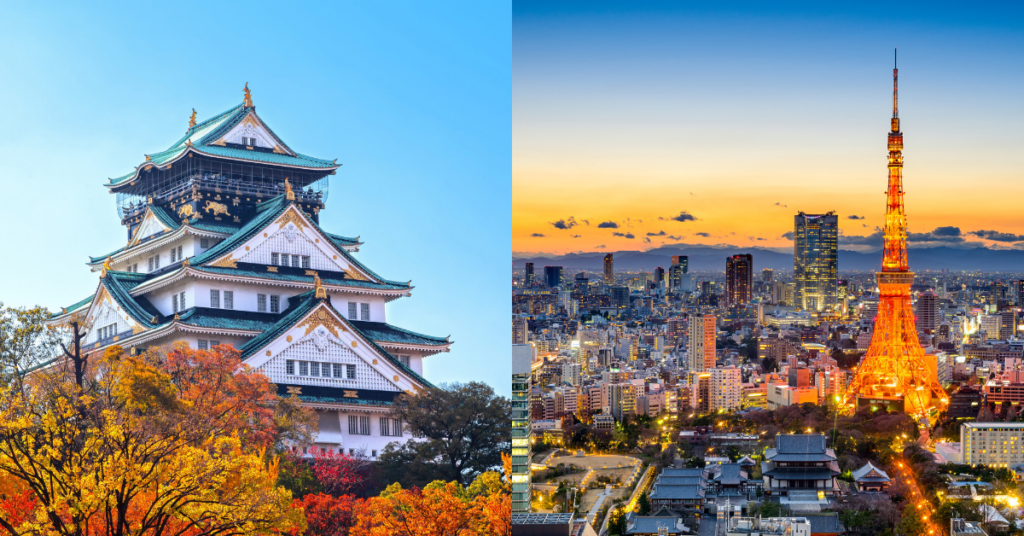
Looking for authentic Japanese travel beyond Tokyo's neon streets? While Tokyo is unforgettable, smaller cities deliver preserved samurai districts, original castles, alpine morning markets, coastal temples, and unique regional cuisines with fewer crowds. Top alternative destinations include Kanazawa (gardens & seafood), Takayama (alpine wooden streets & sake), Fukuoka (yatai street food & tonkotsu ramen), Hakodate (historic port views & seafood), Nikko (mountain shrines & waterfalls), and Matsue (original castle & tea history).
Tokyo is exciting, and it deserves every bit of attention it receives. The food, train stations, distinct neighborhoods, world-class shopping, nightlife, and sheer scale of the metropolis can easily keep you occupied for weeks.
However, Tokyo represents only one facet of Japan. If you are looking for preserved merchant streets, quiet castle towns, alpine food, morning markets, samurai districts, historic canals, ancient temples, hot springs, and regional dishes you will not find everywhere else, building time into your itinerary for smaller cities is essential.
Quick Guide: Which Underrated City Should You Choose?
| City | Best For | Food to Try |
|---|---|---|
| Kanazawa | Gardens, geisha districts, samurai streets | Seafood, Jibuni stew, gold leaf treats |
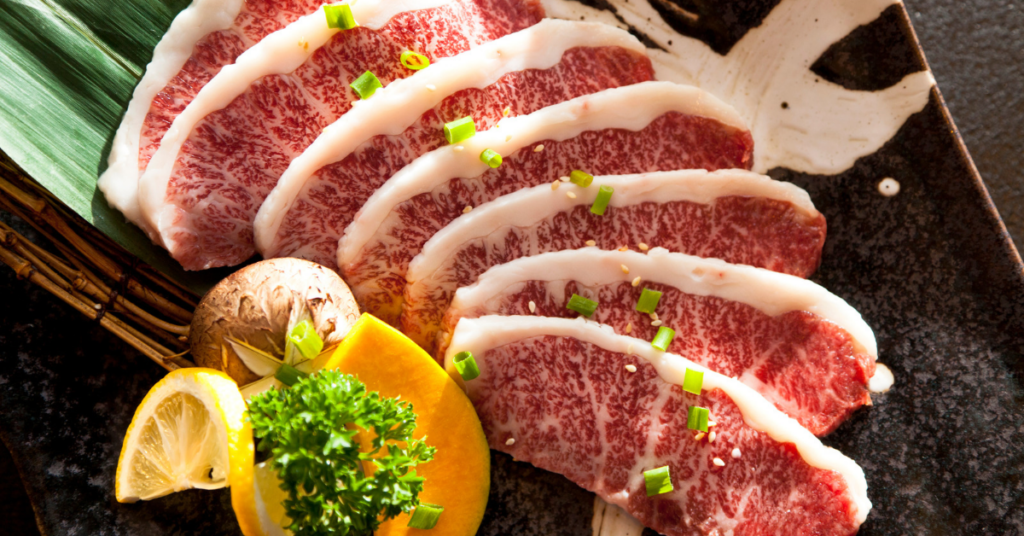
| Takayama | Old wooden streets, sake, mountain scenery | Hida beef, sake, Mitarashi dango |
| Fukuoka | Street food, ramen, relaxed city energy | Hakata ramen, Yatai stalls, Mentaiko |
| Nikko | Shrines, waterfalls, autumn leaves | Yuba (tofu skin), soba, local sweets |
| Matsue | Original castle, canals, tea culture | Izumo soba, Wagashi, Lake Shinji clams |
| Kurashiki | Canals, cafes, old storehouses | Barazushi, Okayama fruit, Kibi dango |
| Matsumoto | Castle, art, Japanese Alps access | Shinshu soba, Oyaki dumplings, local sake |
| Hakodate | Seafood, historic port views, Hokkaido charm | Seafood bowls, squid, salt ramen |
| Kamakura | Temples, bamboo, coastal day trips | Shirasu don, matcha, Hato Sablé |
| Gujo Hachiman | Clean waterways, summer dance, small-town charm | Ayu (sweetfish), river fish, local sweets |
1. Kanazawa: Gardens, Geisha Districts, and Seafood
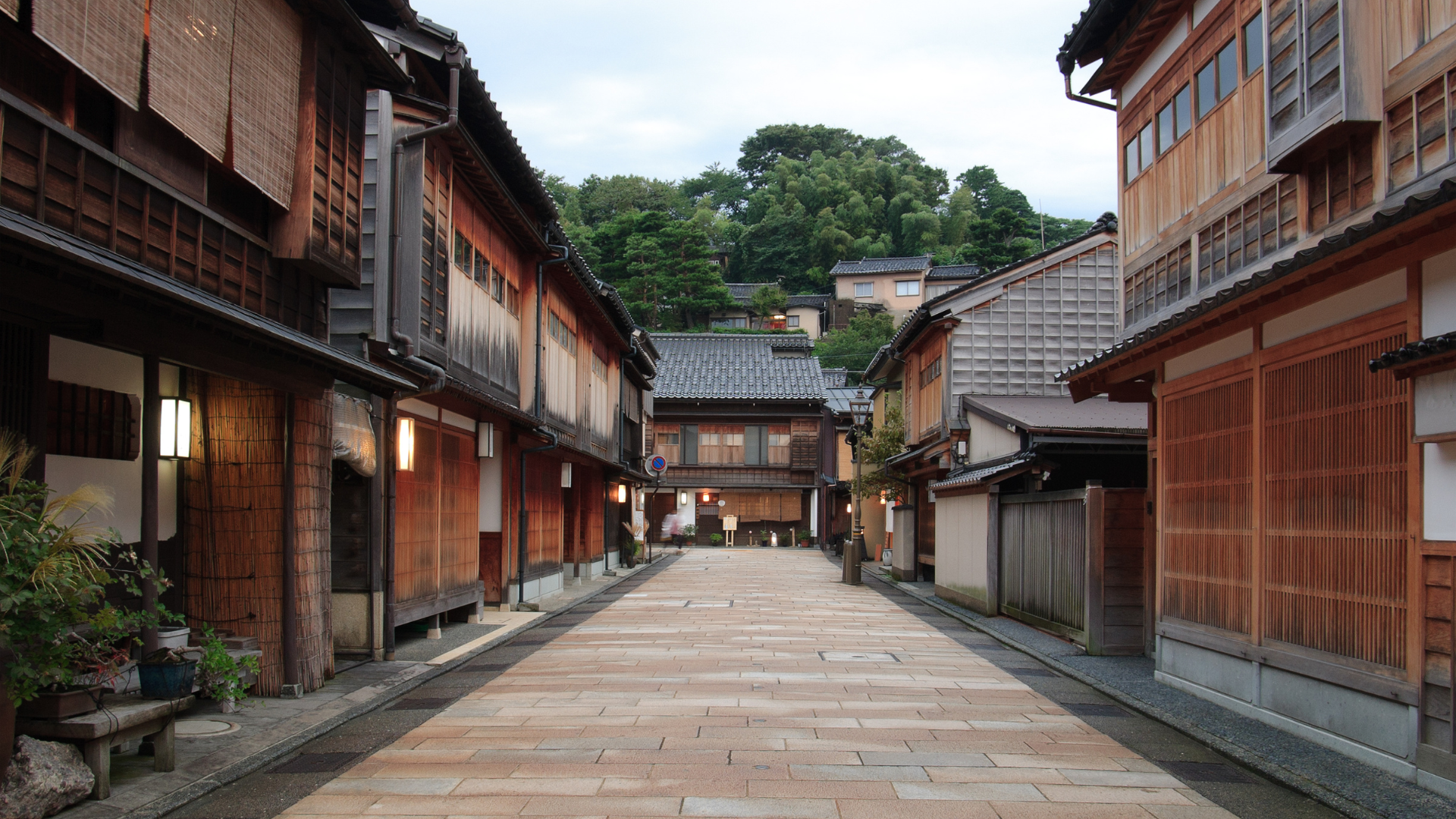
Kanazawa is one of the best cities in Japan for travelers who want culture without the density of Tokyo or the heaviest crowds of Kyoto. Located in Ishikawa Prefecture on the Sea of Japan coast, it boasts preserved geisha tea houses, samurai residences, traditional craft workshops, and Kenrokuen Garden—widely considered one of Japan's three great landscape gardens.
Kanazawa (Ishikawa Prefecture)
Map KanazawaTop Sights: Kenrokuen Garden, Kanazawa Castle Park, Higashi Chaya Geisha District, Nagamachi Samurai District, and the 21st Century Museum of Contemporary Art.
What to Eat: Seafood bowls at Omicho Market, Nodoguro (fatty blackthroat seaperch), Jibuni (duck stew), and gold-leaf ice cream.
Recommended Stay: 2 nights (ideal for exploring gardens, craft shops, and seafood markets without rushing).
2. Takayama: Edo-Period Streets in the Japanese Alps
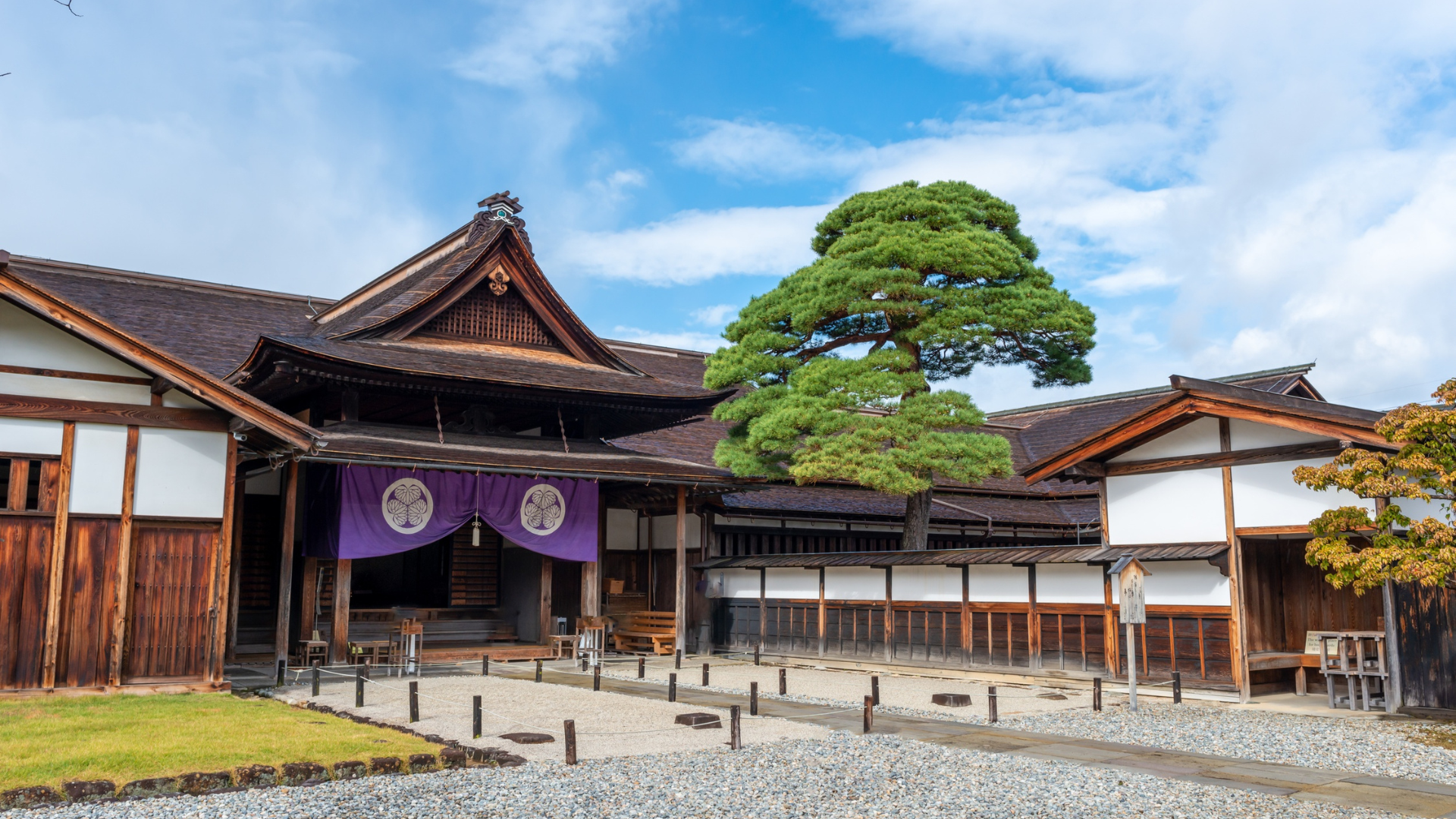
Tucked into the mountains of Gifu Prefecture, Takayama preserves an authentic merchant-town atmosphere. Its historic Sanmachi Suji district features dark wooden Edo-period buildings housing century-old sake breweries, morning market stalls, and artisan workshops.
Takayama (Gifu Prefecture)
Map TakayamaTop Sights: Sanmachi Suji merchant district, Miyagawa Morning Market, Takayama Jinya, and Hida Folk Village (Hida no Sato).
What to Eat: Premium Hida Beef (skewers, nigiri, buns), local sake, soy-glazed Mitarashi Dango, and Takayama ramen.
Recommended Stay: 1 to 2 nights (great base for taking day trips to UNESCO-listed Shirakawa-go).
3. Fukuoka: Japan’s Easygoing Food Capital
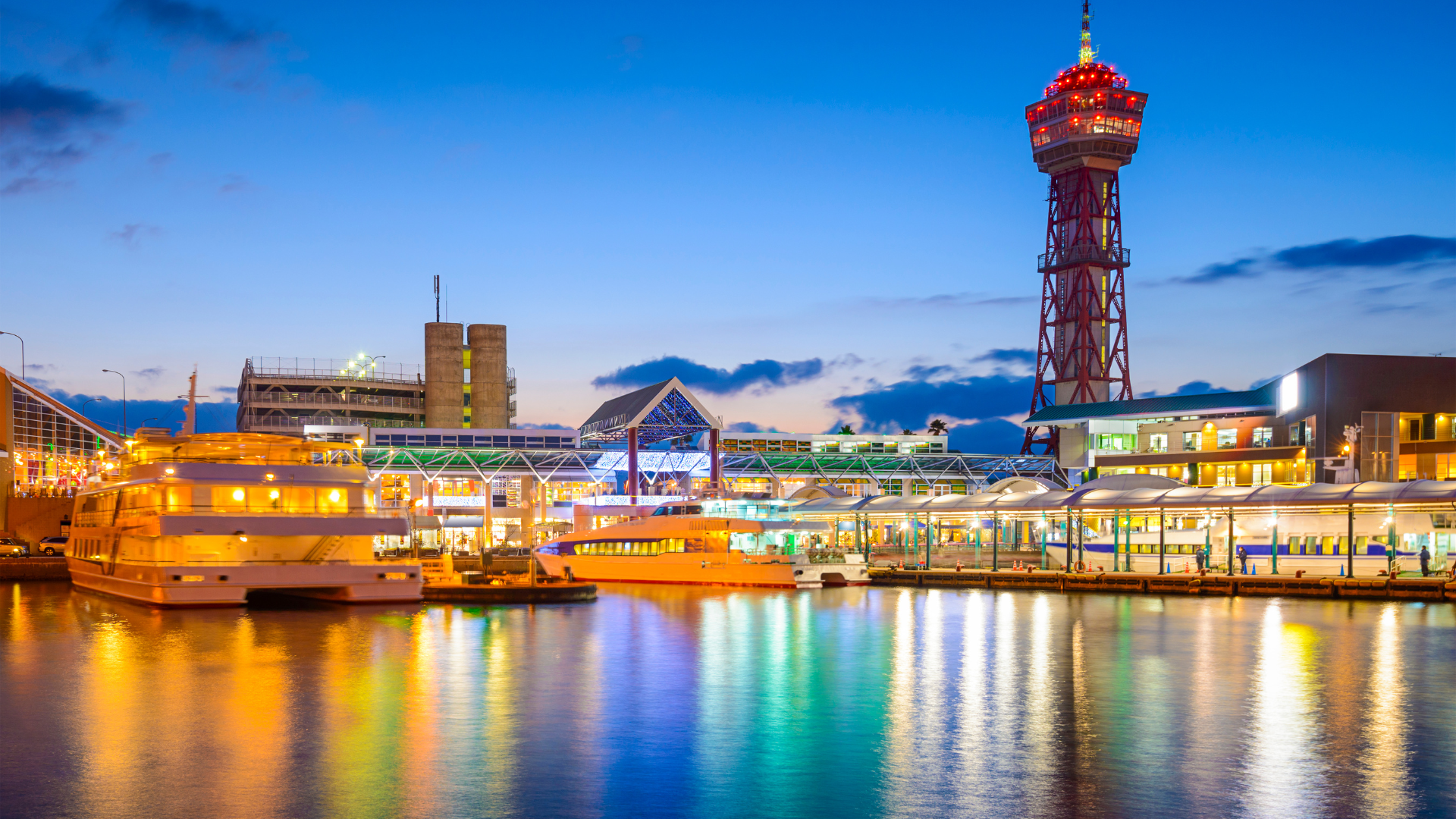
Located on the southern island of Kyushu, Fukuoka combines energetic city life with a relaxed, warm coastal vibe. Famous worldwide as the birthplace of rich Hakata Tonkotsu ramen, Fukuoka's standout feature is its evening yatai—open-air food stalls lining the waterfront streets.
Fukuoka (Fukuoka Prefecture)
Map FukuokaTop Sights: Nakasu and Tenjin Yatai food stalls, Ohori Park, Canal City Hakata, and Dazaifu Tenmangu Shrine.
What to Eat: Hakata Tonkotsu ramen, Mentaiko (spicy cod roe), Motsunabe (offal hot pot), and fresh yatai skewers.
Recommended Stay: 2 to 3 nights (excellent hub for exploring broader Kyushu via high-speed train).
4. Nikko: Shrines, Waterfalls, and Mountain Air
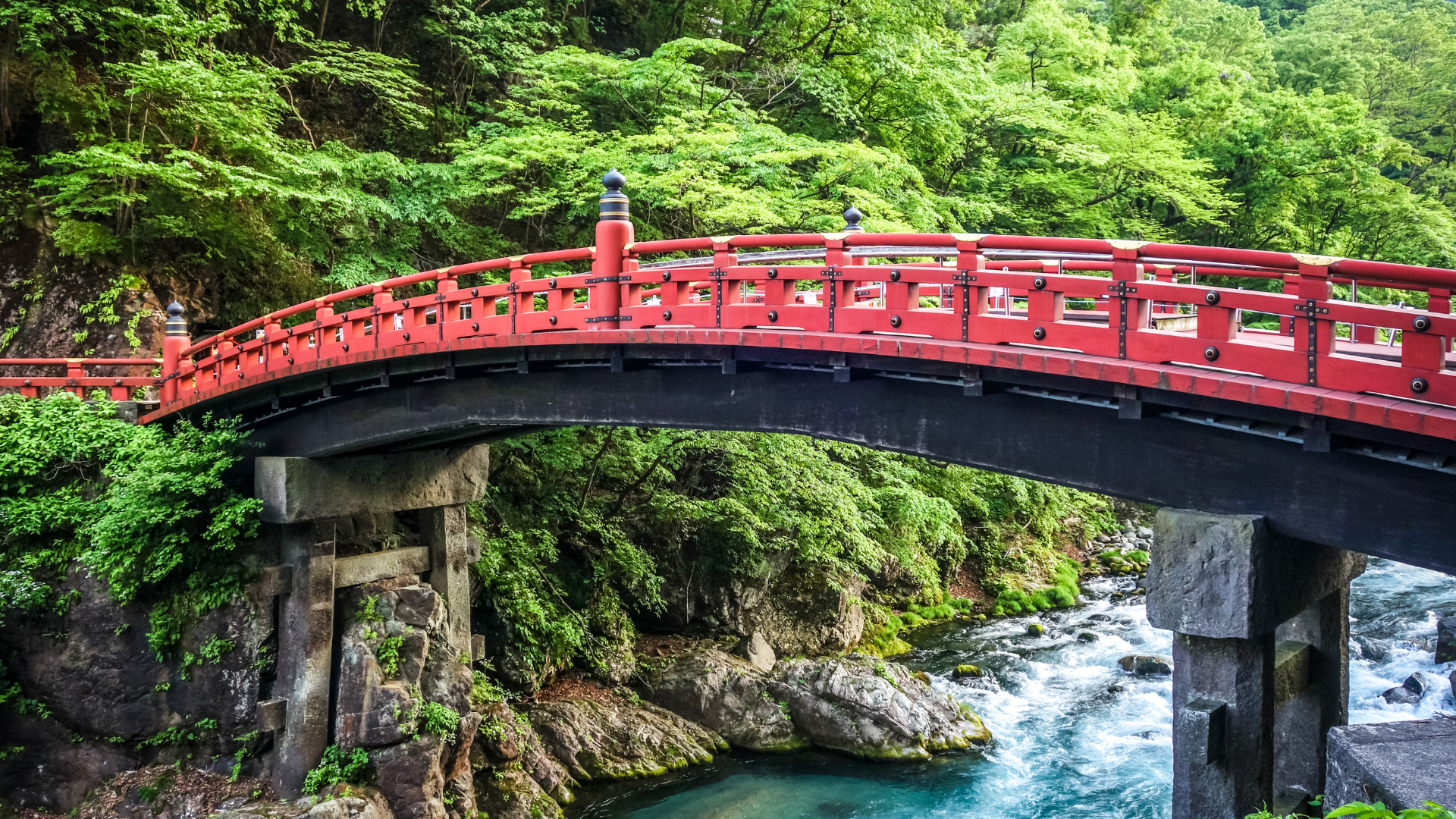
Located in the mountains north of Tokyo, Nikko offers a striking contrast to the capital. While famous for Nikko Toshogu Shrine—the gold-adorned mausoleum of Tokugawa Ieyasu set among ancient cedar trees—the surrounding Okunikko region features crater lakes, waterfalls, and mountain hot springs.
Nikko (Tochigi Prefecture)
Map NikkoTop Sights: Nikko Toshogu Shrine, Shinkyo Bridge, Lake Chuzenji, Kegon Falls, and Yumoto Onsen.
What to Eat: Fresh Yuba (tofu skin dishes), handmade buckwheat soba, and seasonal shrine-approach sweets.
Recommended Stay: Day trip or 1 night (staying overnight allows time to explore Lake Chuzenji and hot springs).
5. Matsue: Castles, Canals, and Tea Culture
Situated between Lake Shinji and Nakaumi Lagoon in Shimane Prefecture, Matsue is a serene "City of Water." It features one of Japan's twelve surviving original wooden castle keeps, historic samurai quarters, canal boat cruises, and deeply rooted tea ceremony traditions.
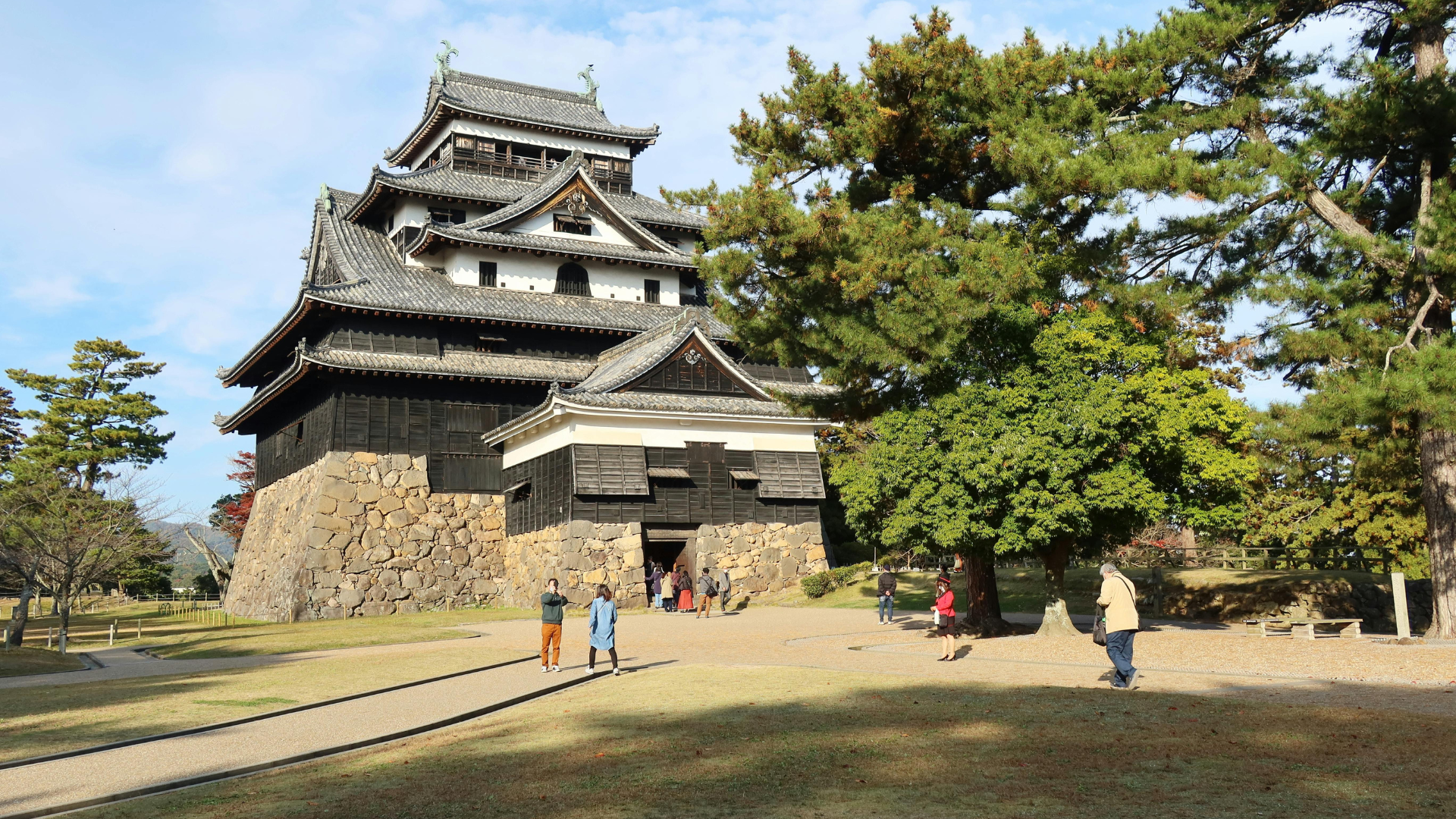
Matsue (Shimane Prefecture)
Map MatsueTop Sights: Original Matsue Castle keep, Shiomi Nawate samurai district, Horikawa canal boat tour, and Adachi Museum of Art.
What to Eat: Izumo Soba (served in stacked round lacquer bowls), matcha with local Wagashi, and Lake Shinji clams.
Recommended Stay: 1 to 2 nights (combine easily with a visit to Izumo Taisha, one of Japan's oldest Shinto shrines).
6. Kurashiki: Canals, Storehouses, and Old Merchant Charm
Located in Okayama Prefecture along western transit routes, Kurashiki's Bikan Historical Quarter features willow-lined canals, stone bridges, and white-walled rice storehouses (kura) converted into art galleries, boutique shops, and waterside cafes.
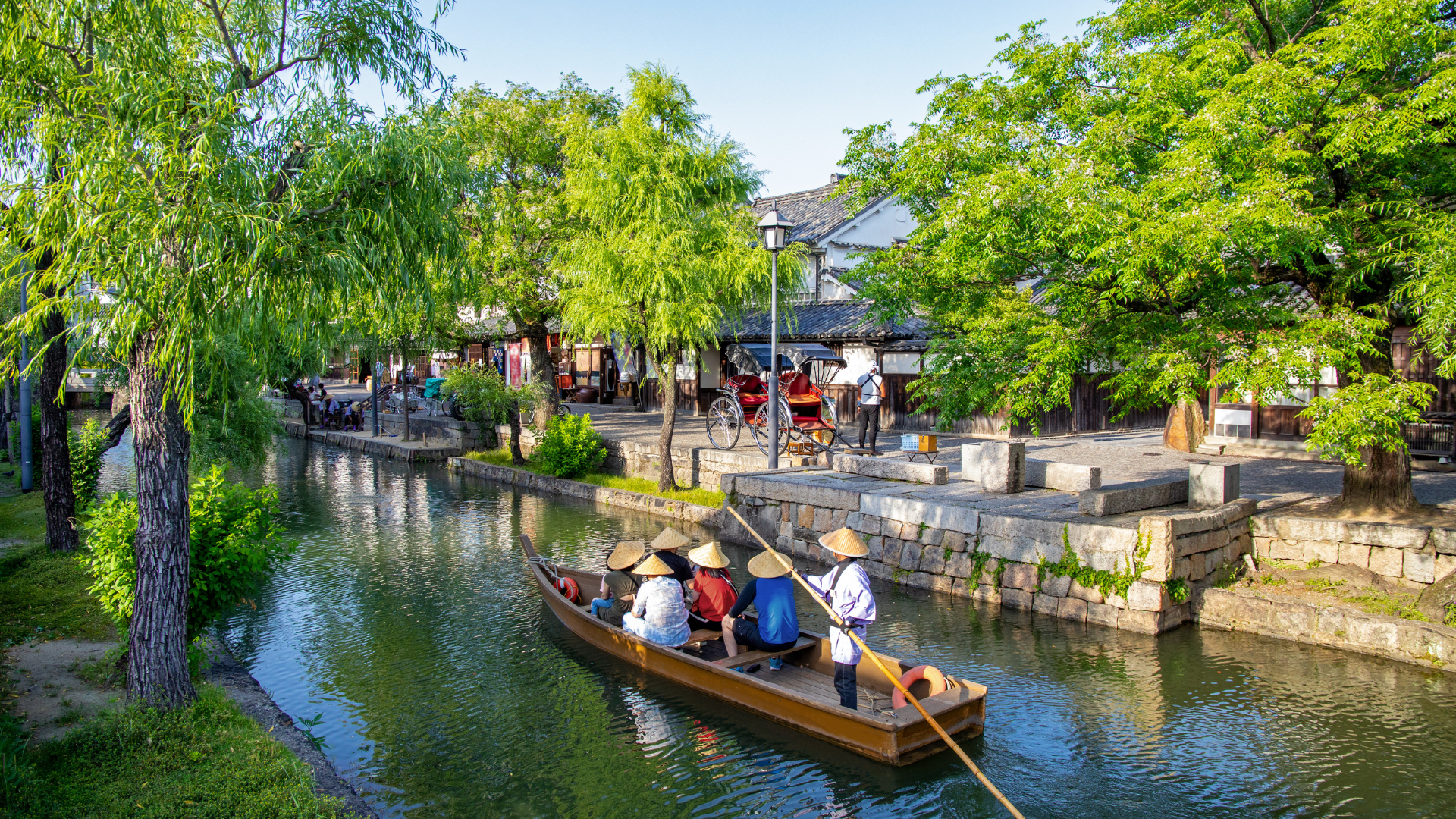
Kurashiki (Okayama Prefecture)
Map KurashikiTop Sights: Bikan Historical Quarter, Ohara Museum of Art, Ivy Square, and Kojima Denim Street.
What to Eat: Fresh Okayama white peaches and Muscat grapes, regional Barazushi, and Kibi Dango sweets.
Recommended Stay: Day trip or 1 night (staying overnight allows peaceful strolls after day-trippers depart).
7. Matsumoto: A Black Castle and a Creative Side
Surrounded by the dramatic Japanese Alps in Nagano Prefecture, Matsumoto is famous for Matsumoto Castle—nicknamed the "Crow Castle" for its striking black wooden exterior. Beyond history, the city offers old merchant streets and a vibrant modern art scene as the birthplace of Yayoi Kusama.
8. Hakodate: Seafood and Historic Port Views in Hokkaido
Located on Hokkaido's southern tip, Hakodate boasts a distinct historic port atmosphere. As one of Japan's first trade ports open to international commerce, its Motomachi neighborhood features Western-style churches and consulates overlooking the bay, complemented by incredible night views from Mount Hakodate.
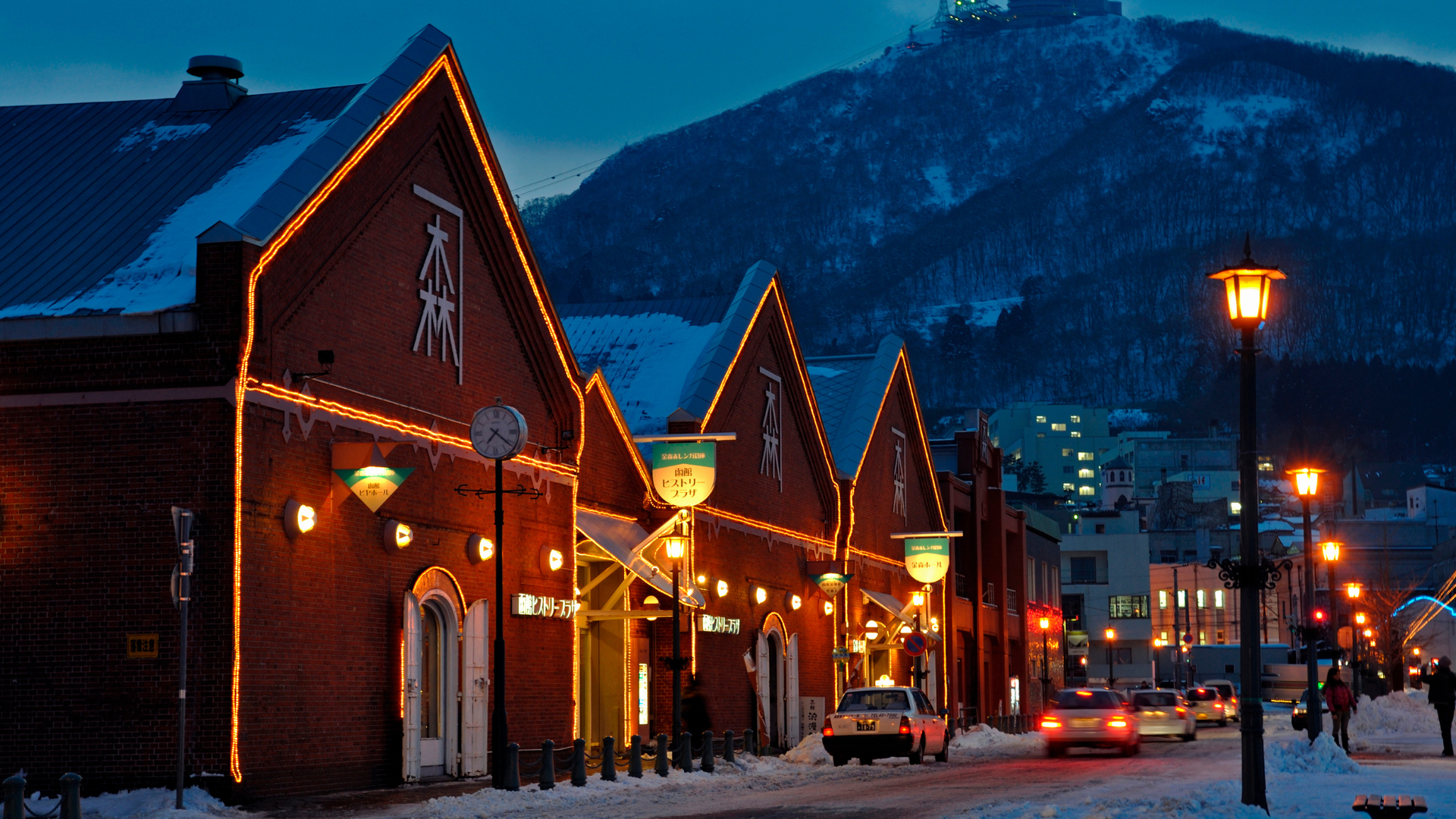
Hakodate (Hokkaido)
Map HakodateTop Sights: Mount Hakodate ropeway night view, Hakodate Morning Market, Motomachi district slopes, and star-shaped Goryokaku Fort.
What to Eat: Fresh sea urchin and salmon roe rice bowls, Hakodate salt ramen, fresh squid, and Lucky Pierrot burgers.
Recommended Stay: 2 nights (allows time for morning seafood markets and relaxing hot springs at Yunokawa Onsen).
9. Kamakura: Temples, Bamboo, and Coastal Breeze
Just one hour south of Tokyo, Kamakura offers a tranquil coastal retreat packed with medieval Buddhist heritage, hiking trails, bamboo groves, and ocean views. As Japan's political capital during the Kamakura period, it delivers historic depth without long-distance travel.
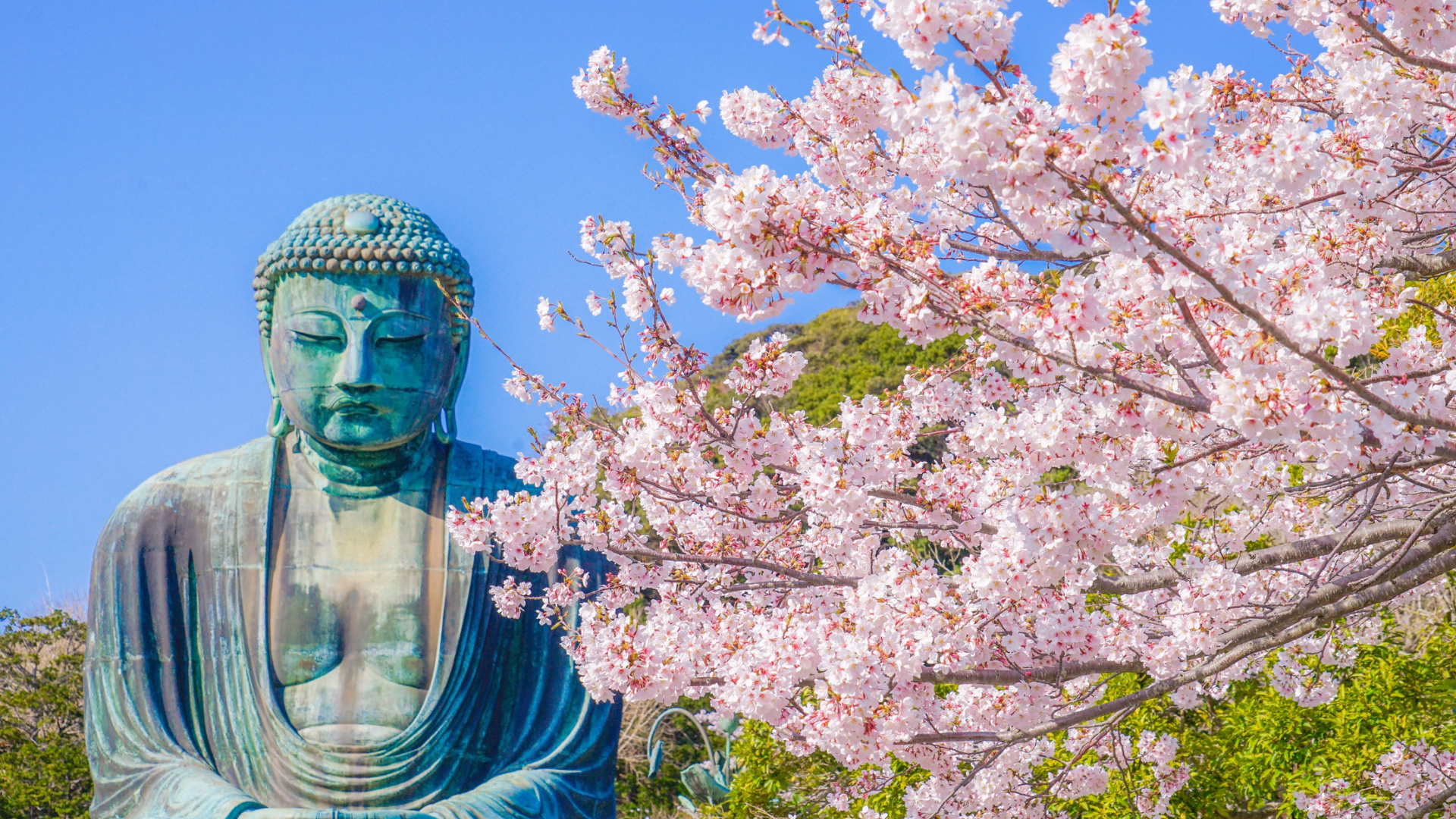
Kamakura (Kanagawa Prefecture)
Map KamakuraTop Sights: The Great Buddha (Kotoku-in), Hokokuji Bamboo Temple, Hasedera Temple, and Tsurugaoka Hachimangu Shrine.
What to Eat: Fresh Shirasu (whitebait over rice), matcha desserts, Kamakura vegetables, and Hato Sablé cookies.
Recommended Stay: Day trip from Tokyo (or 1 night for a quiet evening by the beach).
10. Gujo Hachiman: Clean Waterways and Summer Dance
Tucked deep into the mountains of Gifu Prefecture, Gujo Hachiman is a small riverside town renowned for crystal-clear waterways, stone-lined canals running through residential streets, and the famous 33-night Gujo Odori summer dance festival.
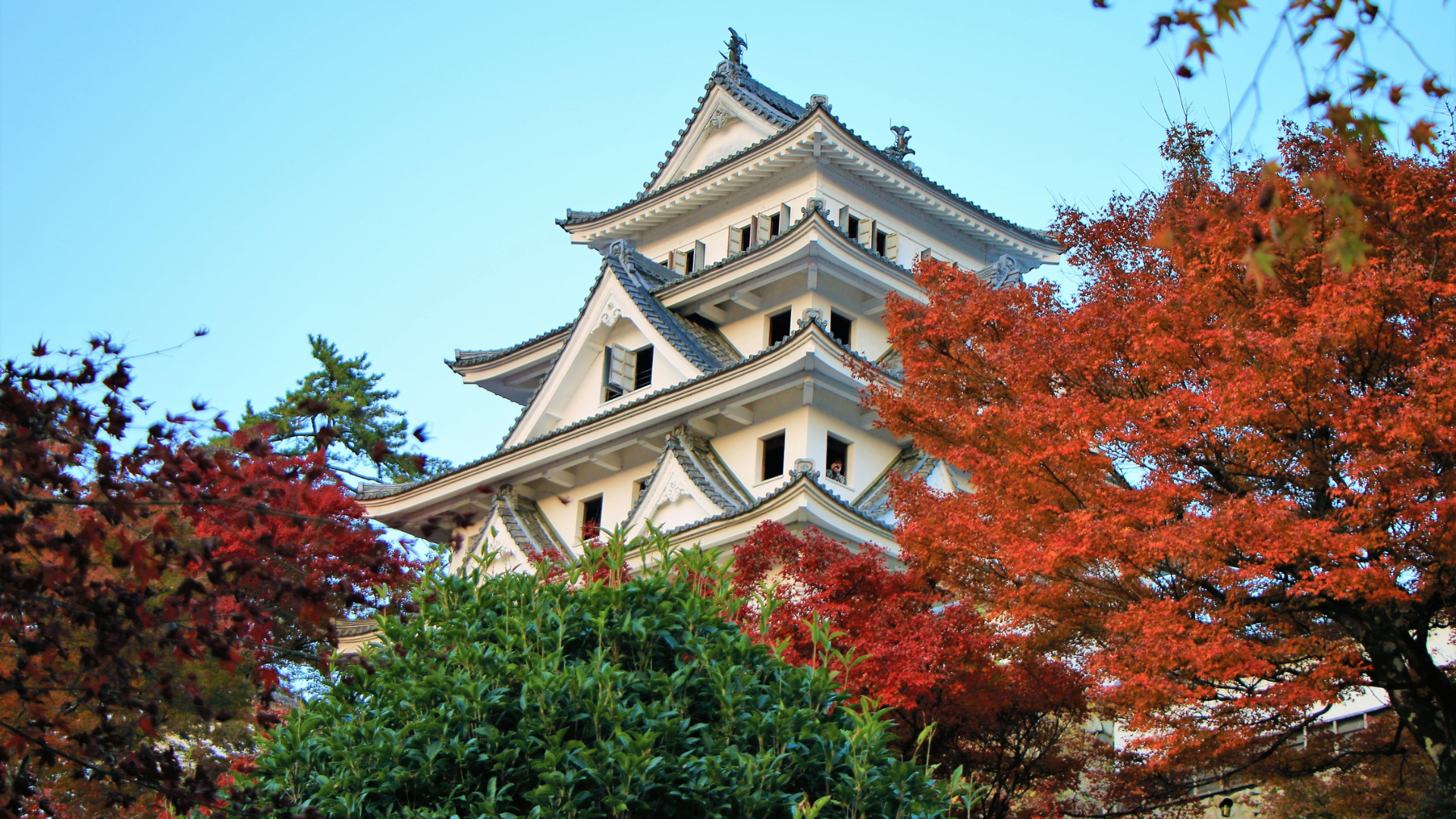
Gujo Hachiman (Gifu Prefecture)
Map Gujo HachimanTop Sights: Gujo Hachiman Castle, Sogi Sui spring water, historic canal lanes, and food replica crafting workshops.
What to Eat: Fresh salt-grilled Ayu (sweetfish), mountain soba, river fish, and traditional countryside sweets.
Recommended Stay: 1 night (especially during summer dance festival nights from July through September).
Frequently Asked Questions
What are the best underrated cities to visit in Japan besides Tokyo?
Top underrated Japanese cities include Kanazawa (gardens and geisha districts), Fukuoka (street food and Hakata ramen), Takayama (Edo-period mountain streets), Hakodate (fresh seafood and historic port views), and Matsue (original wooden castle and tea culture).
Which alternative city is easiest to visit on a day trip from Tokyo?
Kamakura and Nikko are the easiest to reach. Kamakura is located just one hour away by direct train, offering coastal views, temples, and a Great Buddha statue. Nikko is about two hours away, featuring UNESCO Toshogu Shrine, waterfalls, and mountain hot springs.
What is the best city in Japan for street food lovers?
Fukuoka is Japan's street food capital. Located on Kyushu island, it is world-famous for its open-air evening food stalls (yatai) serving Hakata tonkotsu ramen, grilled yakitori, and spicy mentaiko.
Why should travelers visit smaller Japanese cities?
Smaller Japanese cities offer preserved merchant districts, original castles, authentic regional cuisines, and traditional hot spring towns without the heavy tourist congestion and long lines found in major hubs like Tokyo or Kyoto.
Exploring More Regional Destinations Across Japan?
Explore our full index of prefecture travel guides, regional food roundups, seasonal travel itineraries, and practical Japan transit tips.