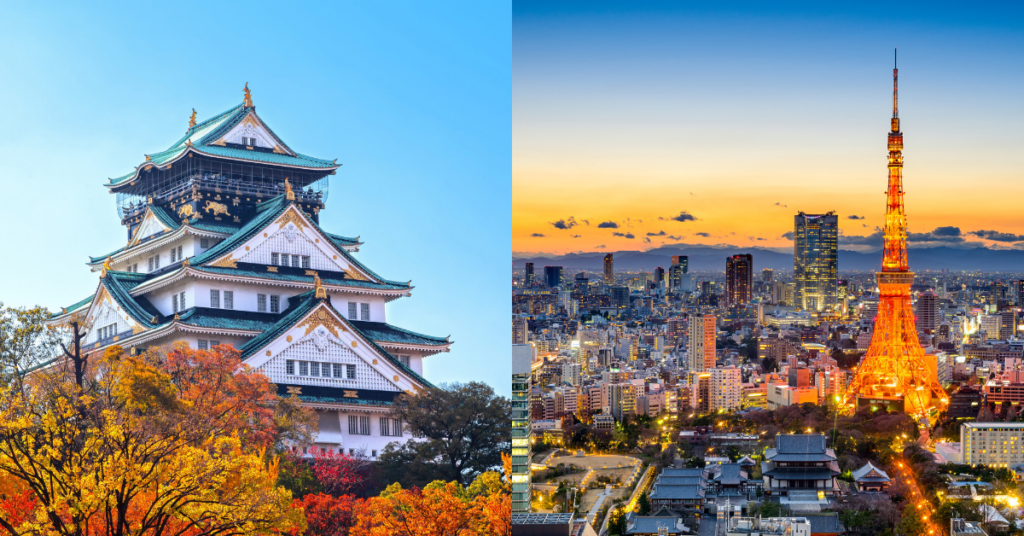
Looking for traditional Japan without Kyoto's massive crowds? In 2024, Kyoto recorded over 56 million visitors, making popular spots like Gion and Arashiyama feel heavily congested. Top alternative cities offering preserved wooden architecture, tea culture, historic temples, and regional cuisine include Kanazawa (best for gardens and geisha culture), Takayama (alpine merchant town & sake), Kurashiki (historic canal district), Kamakura (easy temple day trip from Tokyo), and Matsue (original wooden castle and tea history).
Kyoto is beautiful for good reason. The temples, old streets, tea houses, gardens, and seasonal views are among the finest in Japan. However, it is also exceptionally busy. In 2024, Kyoto City recorded more than 56 million visitors. If you have walked through Gion, Arashiyama, Nishiki Market, or the streets surrounding Kiyomizu-dera during peak travel seasons, that number will come as no surprise.
That does not mean you should skip Kyoto entirely. But if you are looking for traditional Japan with fewer crowds, exploring beyond the standard Tokyo-Kyoto-Osaka route yields incredible rewards. Japan features numerous historic cities filled with wooden merchant houses, samurai neighborhoods, manicured gardens, quiet temples, and distinct regional food cultures.
Quick Guide: Which Kyoto Alternative Should You Choose?
| City | Best For | Travel Style | Food to Try |
|---|---|---|---|
| Kanazawa | Gardens, geisha districts, samurai streets | Culture lovers wanting a city feel | Sea of Japan seafood, gold leaf treats, Jibuni stew |
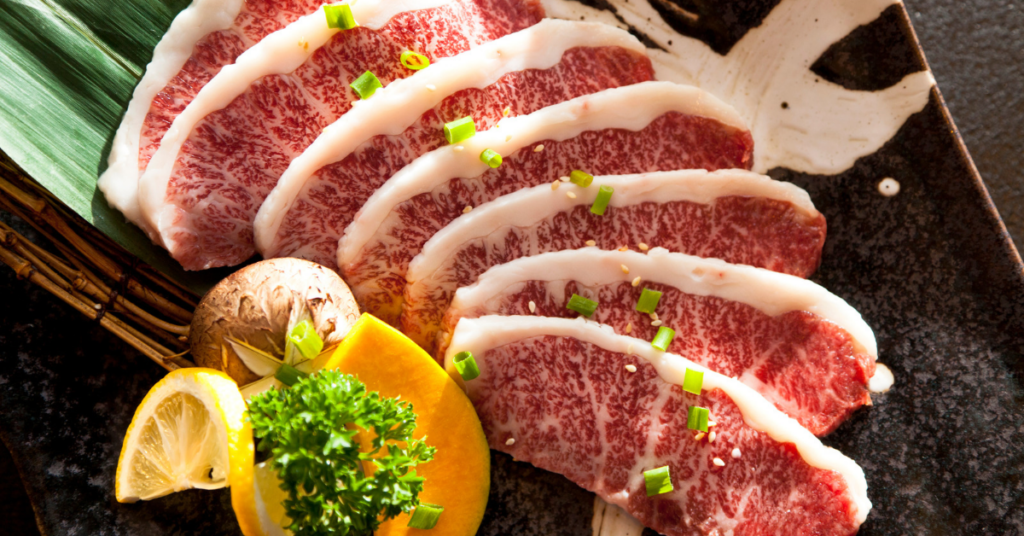
| Takayama | Old wooden streets, mountain scenery, sake | Slow travelers and food lovers | Hida beef, sake, Mitarashi dango |
| Kurashiki | Canals, white-walled storehouses, cafes | Relaxed stop between Osaka & Hiroshima | Okayama fruits, Barazushi, local sweets |
| Kamakura | Temples, bamboo grove, coastal town atmosphere | Easy day trip from Tokyo | Shirasu don, matcha, local Kamakura vegetables |
| Matsue | Original castle, tea culture, samurai history | Off-the-beaten-path travelers | Izumo soba, Wagashi, Lake Shinji clams |
Which City Fits Your Itinerary Best?
- From Tokyo: Choose Kamakura if you only have one day available.
- Closest to Kyoto’s Atmosphere: Choose Kanazawa for gardens, craft culture, and geisha districts.
- Mountain Charm & Local Cuisine: Choose Takayama for alpine streets and Hida beef.
- Between Osaka & Hiroshima: Choose Kurashiki for scenic canal strolls.
- Quiet & Off-the-Beaten-Path: Choose Matsue for original castle architecture and authentic tea culture.
1. Kanazawa: The Best Kyoto Alternative for Culture Lovers
Kanazawa is often called "Little Kyoto," but it has a distinct identity shaped by samurai history, refined crafts, geisha culture, and exceptional seafood from the Sea of Japan. Having avoided large-scale wartime destruction, several of its historic districts remain remarkably intact.
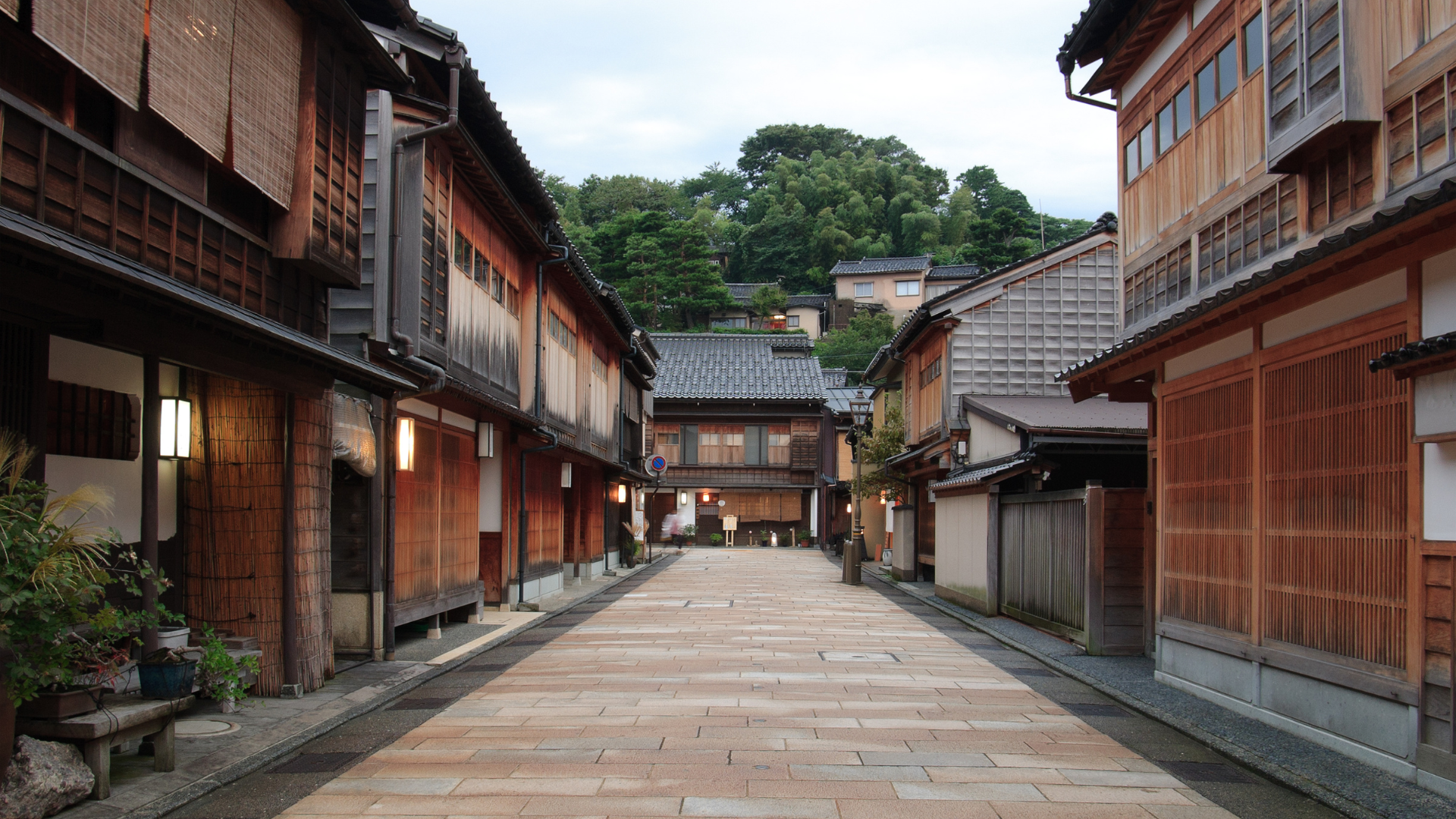
Kanazawa (Ishikawa Prefecture)
Map KanazawaWhy it works: Kanazawa offers traditional tea houses, preserved samurai lanes, expansive castle grounds, and traditional crafts in a compact city center easily covered on foot, by bus, or by taxi.
Top Sights: Kenrokuen Garden (one of Japan's Three Great Gardens), Kanazawa Castle Park, Higashi Chaya Geisha District, Nagamachi Samurai District, and the 21st Century Museum of Contemporary Art.
What to Eat: Seafood bowls at Omicho Market, Nodoguro (fatty blackthroat seaperch), Jibuni (duck and vegetable stew), and gold-leaf soft-serve ice cream.
Getting There: Approximately 2.5 to 3 hours from Tokyo via the Hokuriku Shinkansen line.
2. Takayama: Traditional Japan in the Mountains
Nestled in the Hida mountains of Gifu Prefecture, Takayama trades grand temple complexes for preserved merchant-town charm. Its historic Sanmachi Suji district is lined with dark wooden Edo-period buildings housing sake breweries, craft workshops, and food stalls.
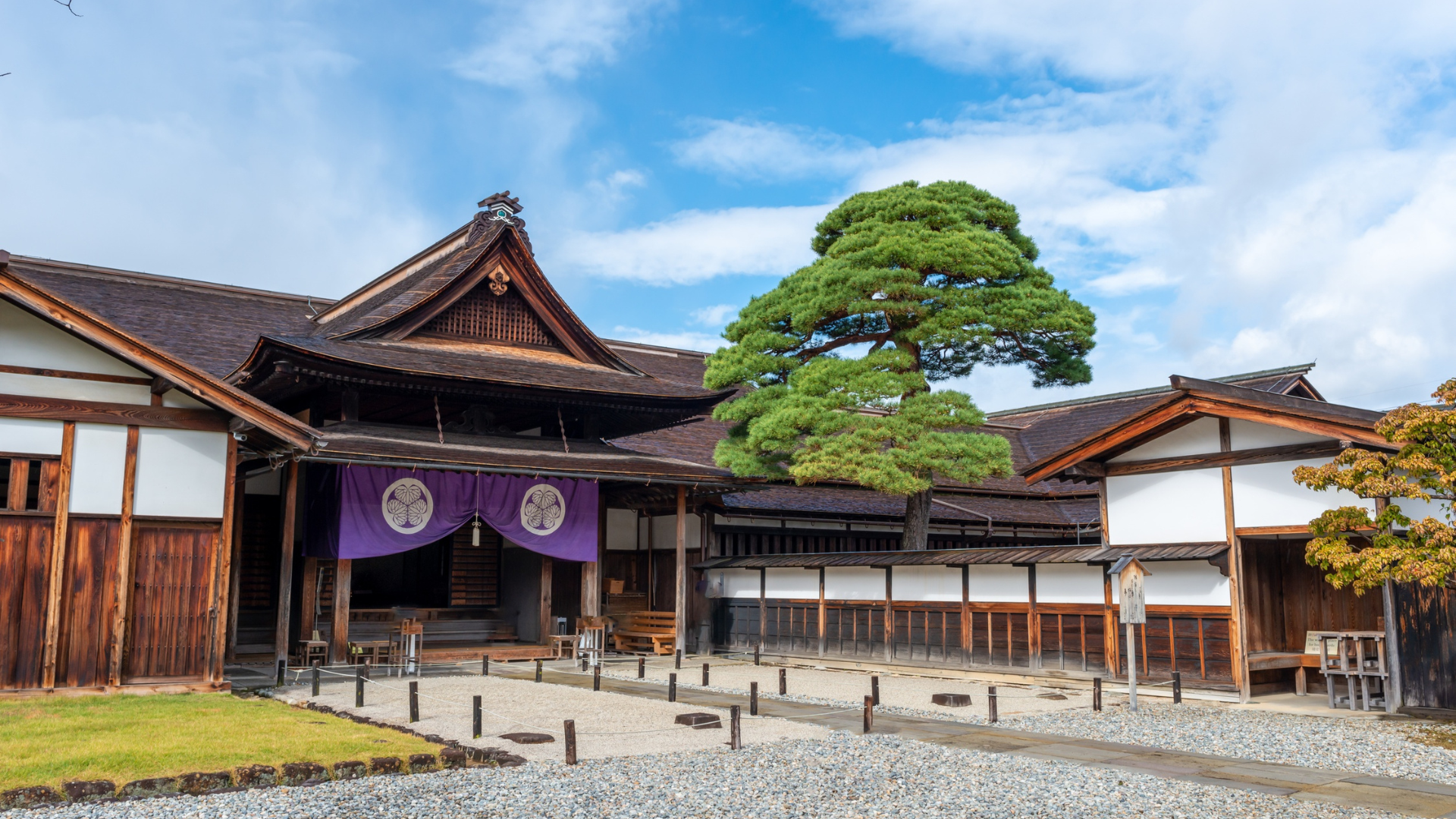
Takayama (Gifu Prefecture)
Map TakayamaWhy it works: Takayama provides historic wooden streetscapes, local food culture, and alpine mountain air. It also serves as the ideal gateway for visiting the UNESCO-listed village of Shirakawa-go.
Top Sights: Sanmachi Suji historic merchant district, Miyagawa Morning Market, Takayama Jinya (former Edo government office), and Hida Folk Village (Hida no Sato).
What to Eat: Premium Hida Beef (served as nigiri, skewers, or croquettes), local sake from historic town breweries, soy-glazed Mitarashi Dango, and Takayama ramen.
Getting There: Take the Shinkansen from Tokyo to Nagoya, then transfer to the Limited Express Hida train (total travel time around 4 to 4.5 hours).
3. Kurashiki: A Canal Town with Old Merchant Charm
Located in Okayama Prefecture, Kurashiki is centered around its Bikan Historical Quarter. Lined with willow trees, stone bridges, and white-walled rice storehouses (kura), this canal area has been thoughtfully converted into artisan boutiques, art museums, and waterside cafes.
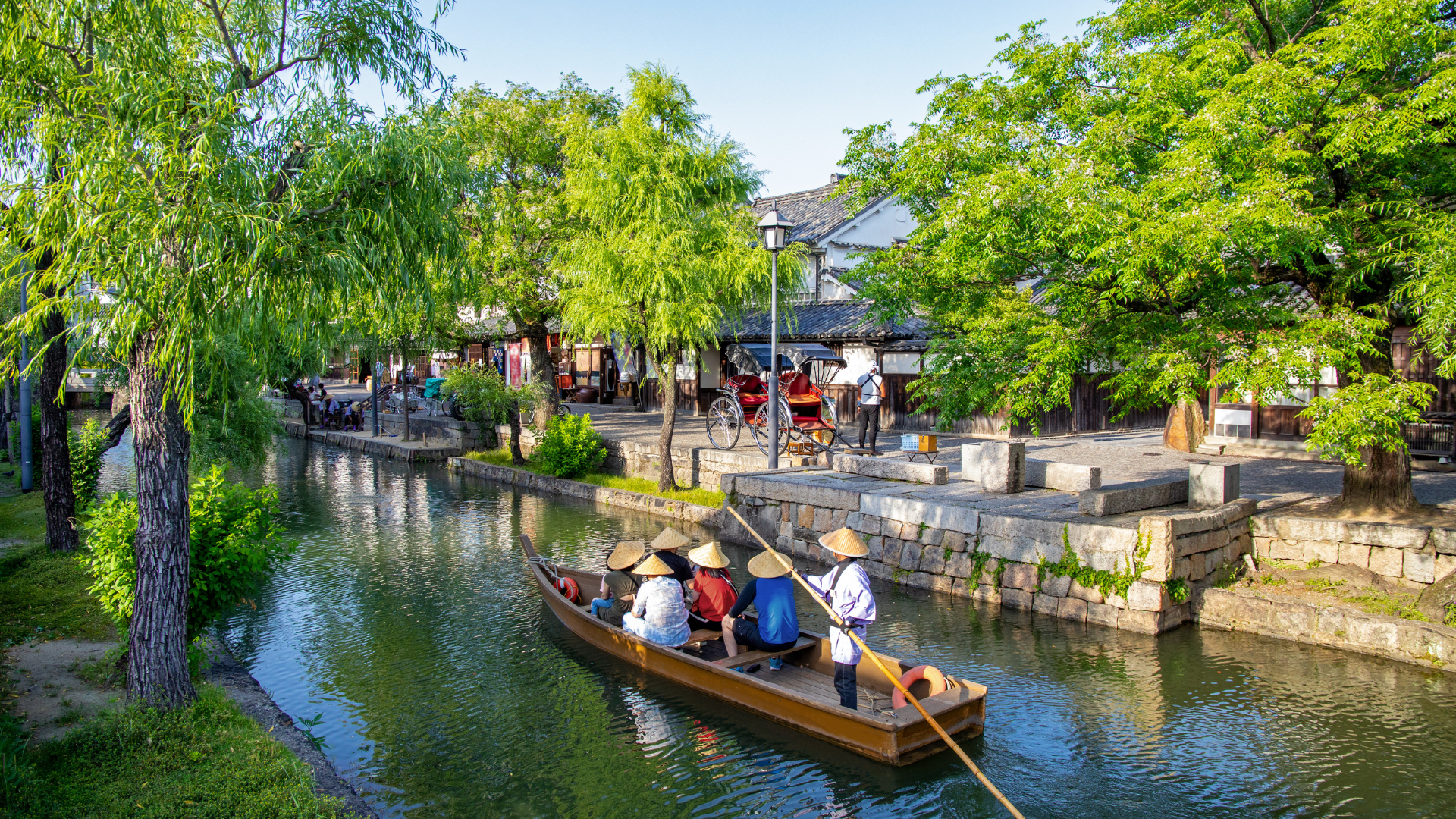
Kurashiki (Okayama Prefecture)
Map KurashikiWhy it works: Kurashiki offers a compact, picturesque historic core without the temple fatigue of larger cities. It is ideal for slow-paced walking, cafe hopping, and craft shopping.
Top Sights: Kurashiki Bikan Historical Quarter, Ohara Museum of Art (Japan's first Western art museum), Ivy Square brick complex, and nearby Kojima Denim Street.
What to Eat: Fresh Okayama white peaches and Muscat grapes (in season), regional Barazushi (scattered sushi), and traditional Kibi Dango rice sweets.
Getting There: Take the Shinkansen to Okayama Station, then transfer to a local train bound for Kurashiki Station (15–20 minutes).
4. Kamakura: The Best Kyoto Alternative Near Tokyo
For travelers based in Tokyo short on travel time, Kamakura delivers a coastal blend of samurai history, Zen temples, and forest trails. As the seat of Japan's medieval shogunate during the Kamakura period, the city maintains deep cultural heritage within easy reach of the capital.
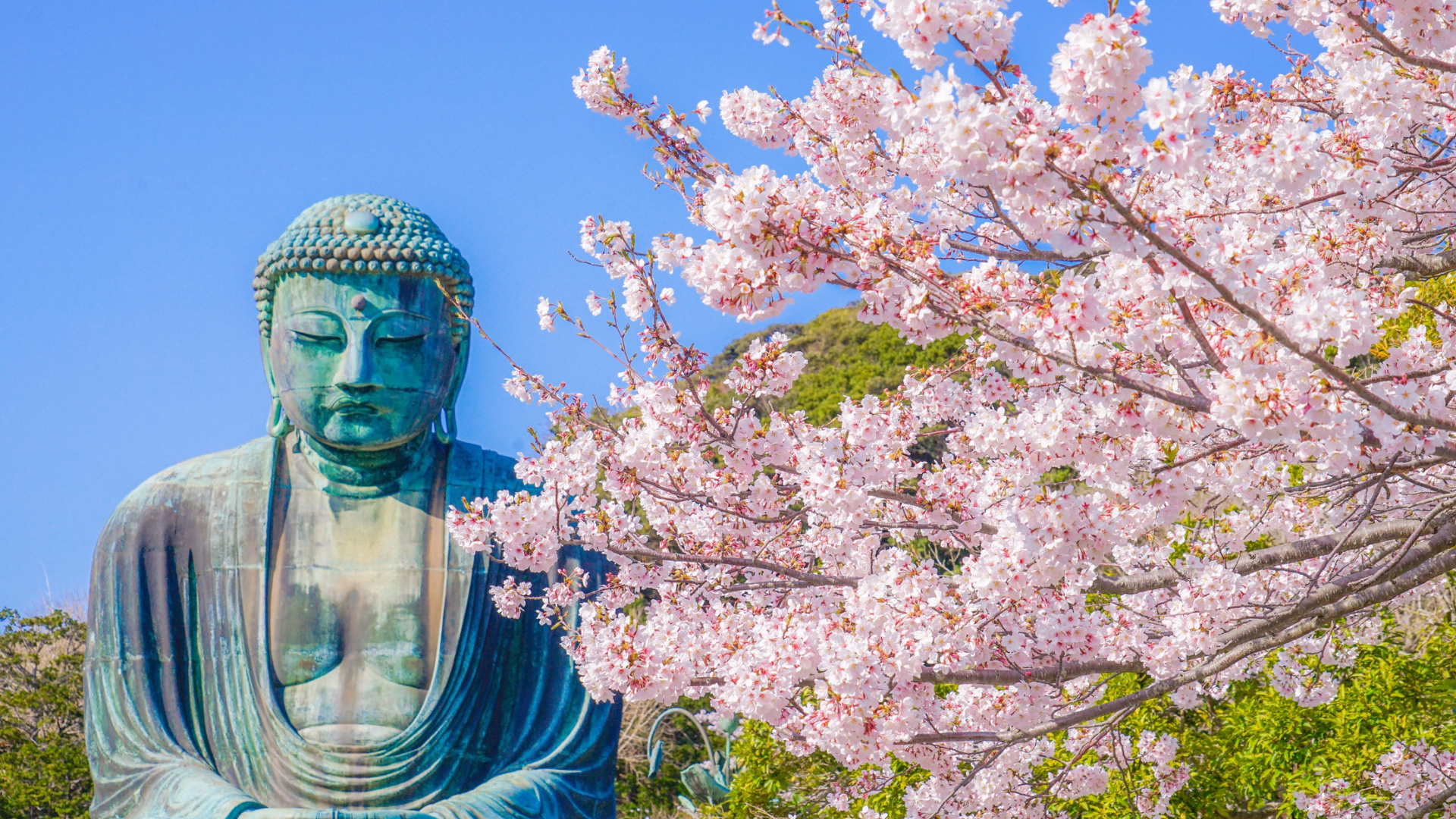
Kamakura (Kanagawa Prefecture)
Map KamakuraWhy it works: Kamakura provides historic temples, peaceful bamboo groves, and traditional shopping streets just one hour from central Tokyo, complemented by ocean breezes and beach views.
Top Sights: The Great Buddha (Kotoku-in), Tsurugaoka Hachimangu Shrine, Hokokuji Bamboo Temple, Hasedera Temple, and Komachi-dori shopping street.
What to Eat: Fresh Shirasu (whitebait rice bowls), matcha treats, local Kamakura vegetables, and classic dove-shaped Hato Sablé cookies.
Getting There: Direct train service from Tokyo Station or Shinjuku Station takes approximately 60 minutes via the JR Yokosuka or Shonan-Shinjuku lines.
5. Matsue: Castles, Tea Culture, and a Quieter Side of Japan
Situated between Lake Shinji and Nakaumi Lagoon in Shimane Prefecture, Matsue remains one of western Japan's most underrated cultural cities. Known as the "City of Water," Matsue boasts one of Japan's twelve surviving original wooden castle keeps.
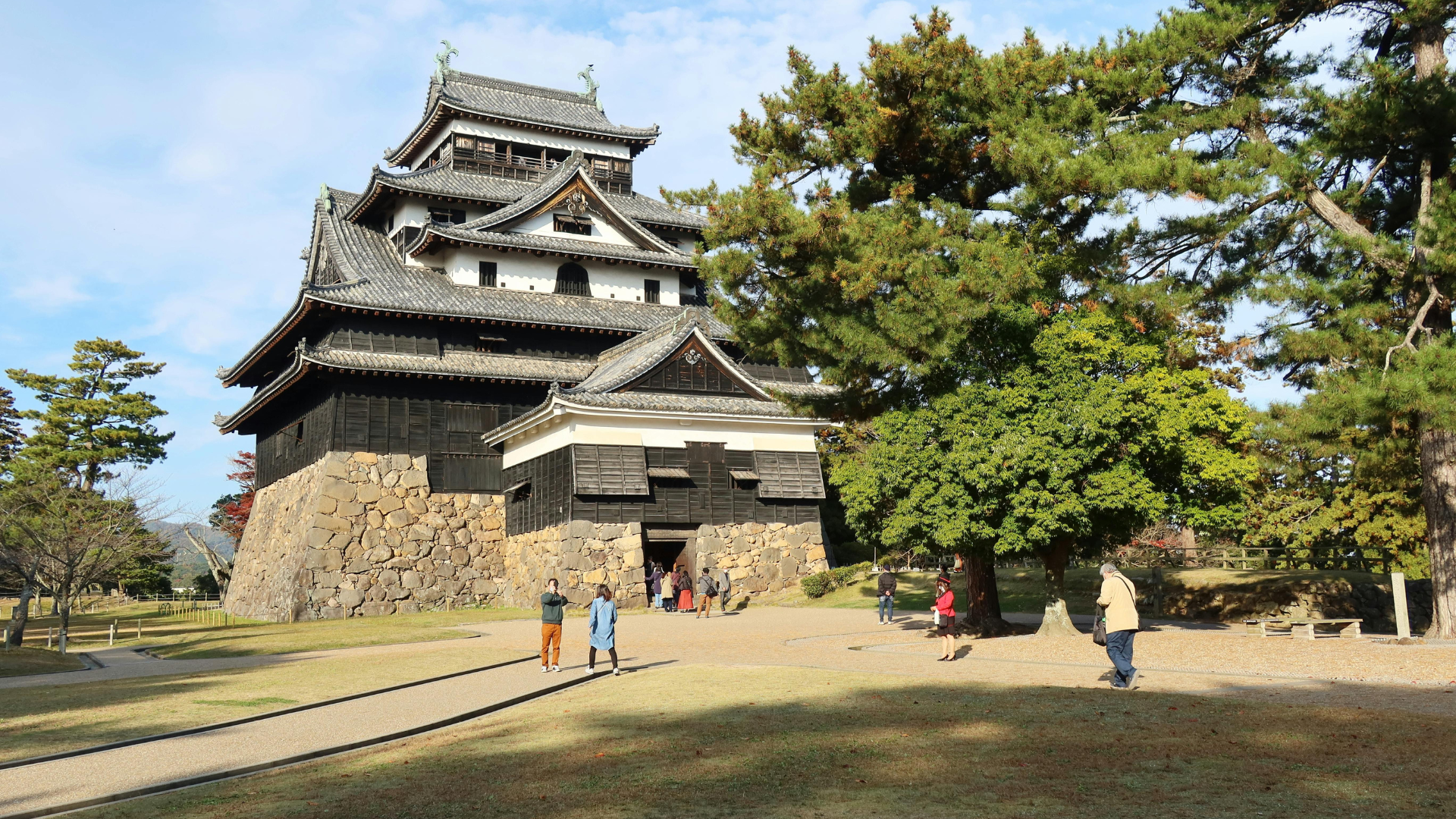
Matsue (Shimane Prefecture)
Map MatsueWhy it works: Matsue offers an unhurried, local atmosphere with authentic samurai architecture, canal boat tours, and renowned tea ceremony traditions completely free of major tourist crowds.
Top Sights: Original Matsue Castle keep, Shiomi Nawate samurai street, Horikawa moat sightseeing boats, Adachi Museum of Art gardens, and nearby Izumo Taisha shrine.
What to Eat: Izumo Soba (buckwheat noodles served in triple-stacked round bowls), traditional matcha with local Wagashi, and fresh Lake Shinji Shijimi clams.
Getting There: Express trains from Okayama (JR Limited Express Yakumo) connect to Matsue in 2.5 hours, or fly directly to Izumo/Yonago airports from Tokyo.
When to Visit These Kyoto Alternatives
While spring (cherry blossoms) and autumn (fall foliage) are breathtaking across all five cities, they represent peak travel times. For a more peaceful experience with minimal crowds, consider these timing tips:
- Best Shoulder Seasons: Late May, June, early July, and September offer pleasant weather and significantly fewer tour groups.
- Winter Magic in Kanazawa: Winter is ideal for visiting Kenrokuen Garden when the ancient pine trees are supported by traditional yukitsuri rope cones to protect against heavy snowfall.
- Takayama Festival Timing: Takayama's famous Spring (April) and Autumn (October) festivals draw large crowds. Book accommodations 6 months in advance if attending, or choose surrounding months for a quieter trip.
- Kamakura Weekday Visits: Kamakura gets busy with day-trippers on weekends and during June's hydrangea blooming season. Aim for a Tuesday-to-Thursday morning visit.
Frequently Asked Questions
Which city is the best alternative to Kyoto for traditional culture?
Kanazawa is the closest alternative to Kyoto. It offers preserved geisha tea house districts (Higashi Chaya), samurai neighborhoods (Nagamachi), traditional gardens (Kenrokuen), and rich craft culture without Kyoto's massive tourist crowds.
What is the best Kyoto alternative near Tokyo?
Kamakura is the best alternative to Kyoto near Tokyo. Located just one hour away by train, Kamakura features historic Buddhist temples, a Great Buddha statue, bamboo groves, and traditional shopping streets alongside coastal beach views.
Why is Kyoto so crowded?
Kyoto recorded over 56 million domestic and international visitors in 2024. Its concentration of UNESCO World Heritage temples, preserved geisha districts, and iconic seasonal cherry blossom and autumn foliage spots draw dense crowds into narrow historic neighborhoods.
Is Kanazawa or Takayama better to visit?
Kanazawa is better if you want a city feel with grand gardens, geisha culture, castles, and fresh Sea of Japan seafood. Takayama is better if you prefer alpine mountain charm, preserved Edo-period merchant streets, Hida beef, and sake breweries.
Exploring More Regional Travel Across Japan?
Browse our master directory of prefecture guides, food itineraries, regional street food roundups, and practical travel logistics.