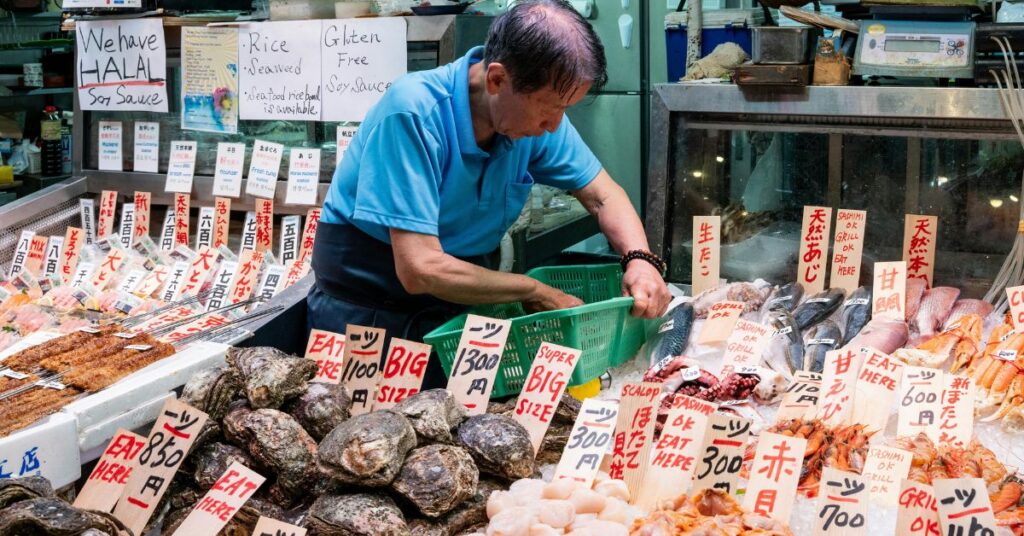
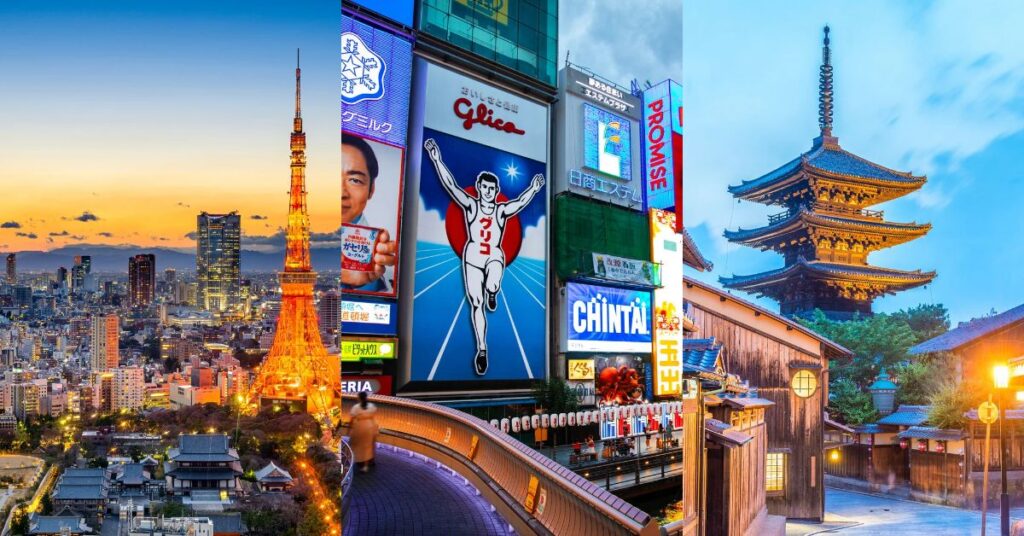
Planning your first trip to Japan can feel overwhelming, but sticking to the classic Golden Route guarantees an unforgettable introduction to the country. A standard 14-day trip perfectly balances the neon-drenched metropolis of Tokyo, the serene hot springs near Mount Fuji, the ancient temples of Kyoto, and the street food paradise of Osaka.
This complete Japan itinerary for first timers covers the ideal 14-day route, logistical tips for navigating the bullet trains, and essential cultural etiquette to ensure you travel like a seasoned pro from the moment you land.
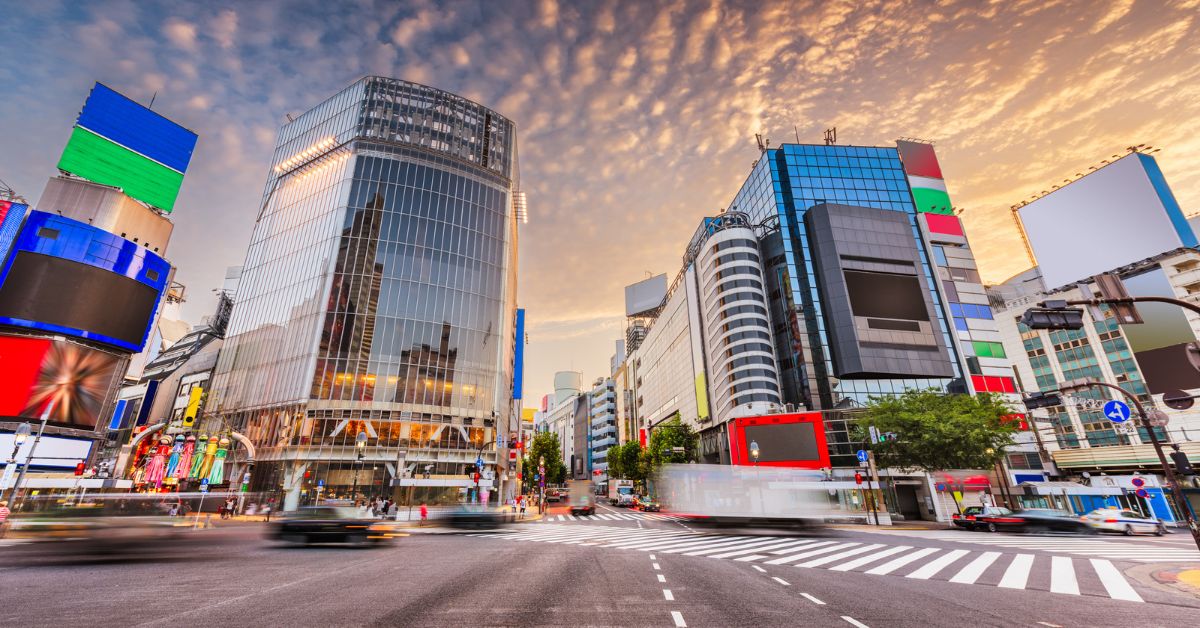
The Classic 14-Day Golden Route: A Japan Itinerary for First Timers
This pacing gives you enough time to overcome jet lag, see the major icons without burning out, and experience both high-tech modernity and deeply rooted tradition.
Top 3 First-Timer Experiences
While temples and shrines are breathtaking, Japan offers incredible modern and unique experiences that should be on every itinerary.
1. Stay in a Traditional Ryokan
A night in a traditional Japanese inn is a must. You will sleep on futons laid over tatami mats, wear a lightweight cotton kimono (yukata), and usually be served an exquisite multi-course kaiseki dinner featuring seasonal local ingredients.
2. Soak in an Onsen (Hot Spring)
Japan is highly volcanic, resulting in thousands of natural hot springs. Bathing is a deeply ingrained cultural ritual. Remember that you must bathe completely nude, and you must wash your body thoroughly at the shower stations before entering the communal bath.
- Pro Tip: Tattoos are traditionally banned in public baths due to associations with organized crime. If you are inked, book a ryokan with a private, in-room open-air bath, or look for accommodations that offer a kashikiri-buro (a private rental bath outside the guest rooms that you can book for a set period).
3. Experience Convenience Store Culture
Japanese konbini (7-Eleven, FamilyMart, Lawson) are legendary. They are spotless and stock incredible food, from fresh egg salad sandwiches and hot fried chicken to seasonal matcha desserts. They also serve as your go-to spot for withdrawing cash from international ATMs.
Logistics: Getting Around Smoothly
Transport is the part of any Japan itinerary for first timers that causes the most worry. Japan's transit network is highly efficient, but navigating the ticketing systems can be confusing for a first-timer. For official route planning and travel updates, visit the Japan National Tourism Organization.
Essential Transit Tips
- Set Up an IC Card: Ditch paper tickets for local trains and subways. Add a digital Suica, Pasmo, or ICOCA card to your Apple Wallet before your trip. You can simply tap your phone at the ticket gates. (Note: Most foreign Android phones lack the required FeliCa chip, so Android users will need a physical IC card).
- Rethink the JR Pass: The nationwide Japan Rail Pass saw a massive price hike in late 2023, followed by another increase in October 2026 for purchases made through overseas agencies. For a standard Tokyo to Kyoto to Osaka round trip, buying individual Shinkansen tickets is now usually cheaper. Use an online fare calculator before buying.
- Use Luggage Forwarding (Ta-Q-Bin): Do not drag massive suitcases onto crowded trains. Services like Yamato Transport can securely ship your heavy luggage from your Tokyo hotel directly to your Kyoto hotel, usually arriving the next day for around $15 to $20 USD. Pack a small overnight bag for the interim.
Crucial Etiquette Rules
How to Be a Good Guest
- No Tipping: Tipping is not expected in Japan. Good service is simply part of the culture. If you leave money on the table, your server will likely chase you down the street to return it. (The rare exception is an optional kokorozuke envelope left for staff at high-end traditional ryokans).
- Keep Quiet on Public Transit: Trains and subways are quiet zones. Do not take phone calls, ensure your phone is on silent mode, and keep conversations with your travel companions to a low whisper.
- Do Not Walk and Eat: While street food is popular, you are expected to eat it standing right next to the vendor's stall or outside the convenience store where you bought it. Walking down the street while eating is considered poor manners.
- Carry a Small Trash Bag: You will notice a distinct lack of public trash cans in Japan. Locals carry their wrappers and empty bottles with them until they get home. Carry a small plastic bag in your daypack for your own trash.
Frequently Asked Questions
What is the best itinerary for a first-time trip to Japan?
The most recommended itinerary for first-timers is the Golden Route. It spans 10 to 14 days and covers Tokyo, a side trip to Mount Fuji (Hakone or Kawaguchiko), Kyoto, Nara, and Osaka. This provides the perfect mix of modern neon cities, historical temples, and incredible food.
Should I buy the Japan Rail (JR) Pass for my first trip?
Following a massive 70 percent price hike in late 2023 and another 5 to 6 percent increase in October 2026 (for purchases via overseas agencies), the nationwide JR Pass is often no longer cost-effective for a standard Golden Route trip. It is highly recommended to use a fare calculator to compare point-to-point tickets against the pass price before purchasing.
How much luggage can I bring on the Shinkansen (bullet train)?
If your luggage dimensions (length + width + height) exceed 160 cm, you must reserve a specific seat with an oversized baggage area on the Tokaido, Sanyo, Kyushu, and Nishi Kyushu Shinkansen lines. Bags exceeding 250 cm are not permitted on board.
What is the best way to get internet in Japan?
Purchasing an eSIM before you arrive is the easiest and most affordable way to stay connected. Alternatively, you can rent a pocket Wi-Fi router to pick up at the airport, which is great for sharing connections among a family or group.
Planning Your Adventure?
Explore our complete master index of regional guides, cultural etiquette handbooks, and comprehensive travel tips.