How much should I budget for food in Japan per day? On average, you should budget between 3,000 JPY ($19 USD) and 9,000 JPY ($57 USD) per day for food in Japan. Shoestring backpackers can eat comfortably for around 3,000 to 4,500 JPY ($19 to $29 USD), mid-range foodies should expect to spend about 5,000 to 9,000 JPY ($32 to $57 USD), and luxury dining starts at 15,000 JPY ($95 USD) per day.
Eating well in Japan does not require a luxury travel budget. While the country is famous for $300 omakase sushi and perfectly cultivated premium fruit, it is also home to a fiercely competitive, high-quality budget food culture. The good news? Even on the lowest end of the spectrum, you will be eating fresh, delicious, and deeply satisfying meals.
The Reality of Food Costs in Japan
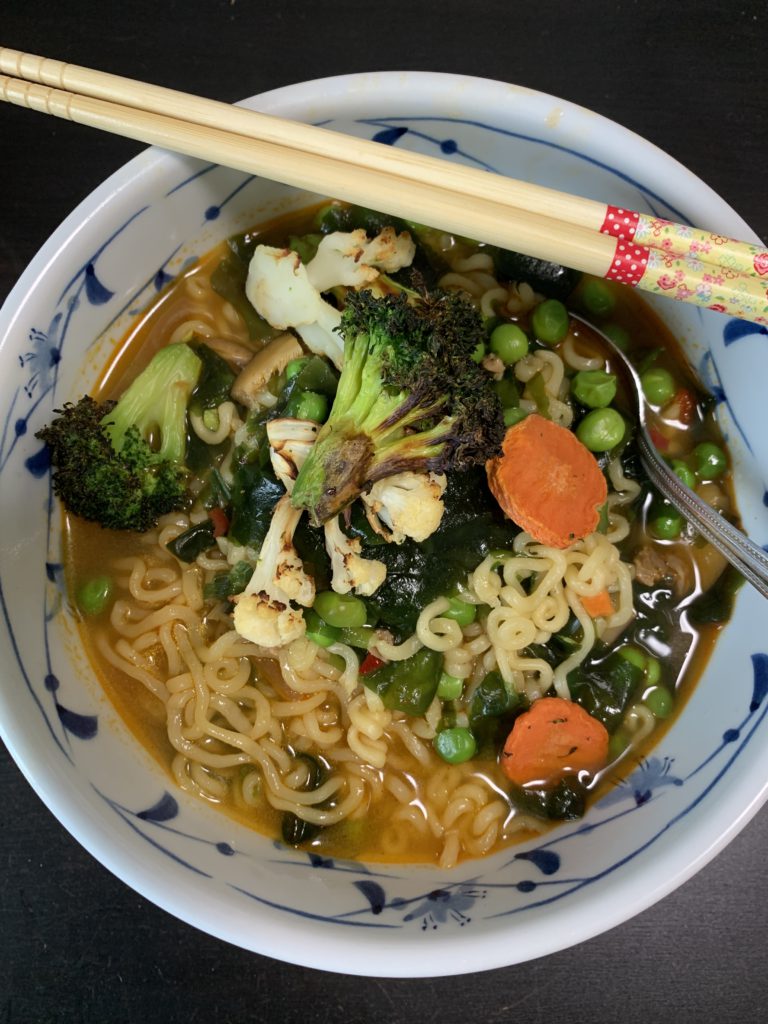
For decades, Tokyo held a reputation as one of the most expensive cities in the world. Today, thanks to a weaker yen (roughly 157 JPY to 1 USD as of November 2026) and a domestic culture that demands affordable, high-quality everyday dining, Japan is arguably one of the best value food destinations on the planet. Walking through the streets of Shinjuku or Dotonbori, you are just as likely to find a legendary bowl of ramen for 900 JPY ($5.75) as you are a premium wagyu steakhouse.
1. What to Look Out For
Hidden izakaya table charges (otōshi or sekiryo), expensive hotel breakfast add-ons, specialty fruit parlors, and alcohol markups at dinner.
2. How to Eat Well on a Budget
Balance your days by utilizing convenience stores for quick breakfasts, hunting down discounted bento boxes at supermarkets in the evening, and filling up at national chain restaurants that specialize in single-item comfort foods.
Quick Tip: The Magic of the Set Meal
In Japanese dining, lunch is the ultimate budget hack. Many high-end restaurants, including premium sushi bars, wagyu steakhouses, and kaiseki establishments, offer lunch sets or standard set meals (teishoku) for a fraction of their dinner prices. A restaurant that charges 15,000 JPY ($95) for dinner might serve a spectacular lunch set for 2,500 JPY ($16) using the same quality ingredients.
The "Big Three" Daily Food Budgets
Your daily food cost in Japan largely depends on your travel style. Understanding these three standard budget tiers will help you plan exactly how much cash to carry depending on your culinary goals.
1. The Shoestring Backpacker (3,000 – 4,500 JPY / $19 – $29 per day)
Explore Konbini SpotsThis tier relies on fast-casual dining and convenience stores, perfect for travelers prioritizing exploration over sit-down meals.
- Breakfast: A couple of onigiri (rice balls) and a canned coffee from 7-Eleven or Lawson (400 JPY / $2.50). Check out our favorite konbini breakfast picks for more ideas.
- Lunch: A bowl of gyudon (beef over rice) from Yoshinoya or a quick bowl of standing soba (500 JPY / $3.20).
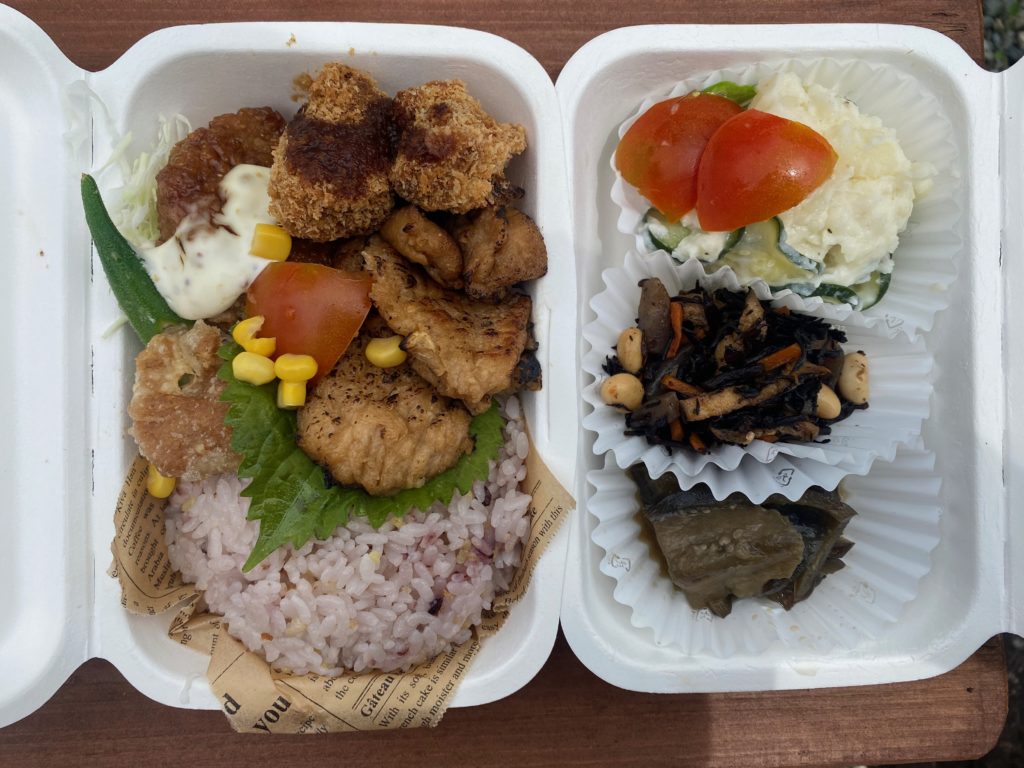
- Dinner: A hearty bowl of tonkotsu ramen or a discounted supermarket bento box purchased after 8 PM (900 - 1,200 JPY / $5.75 - $7.60).
- Snacks & Drinks: Vending machine teas and a convenience store pastry (400 JPY / $2.50).
2. The Mid-Range Foodie (5,000 – 9,000 JPY / $32 – $57 per day)
Explore IzakayasThe sweet spot for most travelers. You can enjoy sit-down restaurants, alcohol with dinner, and casual dining without breaking the bank.
- Breakfast: Coffee and a thick slice of milk toast at a local kissaten (retro cafe) or bakery (800 JPY / $5.10).
- Lunch: A high-quality set meal (teishoku) featuring tonkatsu (fried pork) or grilled fish, complete with rice, miso soup, and pickles (1,200 - 1,800 JPY / $7.60 - $11.50).
- Dinner: A casual night out at an izakaya (Japanese gastropub) sharing yakitori skewers, karaage, edamame, and 2-3 draft beers or highballs (3,500 - 4,500 JPY / $22 - $28). Read our izakaya etiquette guide before your first night out!
- Snacks & Drinks: Matcha ice cream from a street vendor and a couple of vending machine drinks (1,000 JPY / $6.40).
3. The Luxury Diner (15,000+ JPY / $95+ per day)
Explore Fine DiningIf you are coming to Japan specifically for its culinary arts, this tier opens up the world of mastercraft sushi, A5 beef, and kaiseki.
- Breakfast: A lavish hotel buffet or a premium seafood bowl (kaisendon) at Tsukiji Outer Market in Tokyo or Kuromon Market in Osaka (2,500 - 4,000 JPY / $16 - $25).
- Lunch: Premium A5 Wagyu beef lunch grill or high-end unagi (eel) over rice (4,000 - 6,000 JPY / $25 - $38).
- Dinner: An omakase sushi experience, a multi-course kaiseki meal, or a premium yakiniku feast (10,000 - 30,000+ JPY / $63 - $190+).
Where to Eat Affordably: Naturally Budget-Friendly Food
Skipping expensive sit-down restaurants does not mean missing out on Japan's signature foods. The country's fast-casual infrastructure is world-class.
Top Budget Staples
- Gyudon (Beef Bowl) Chains: Chains like Matsuya and Yoshinoya are open 24/7. Sukiya is another popular option, though note that they now close from 3:00 to 4:00 AM and add a 7% surcharge to bills between 10 PM and 5 AM. A standard bowl often costs under 500 JPY (Yoshinoya is 498 JPY and Sukiya is 480 JPY).
- Kaitenzushi (Conveyor Belt Sushi): Chains like Sushiro, Kura Sushi, and Hama Sushi offer surprisingly good quality fish. Basic plates start around 110 to 120 JPY, with premium items like tuna costing about 180 JPY at Sushiro locations in Tokyo. You can easily eat a filling sushi dinner for under 2,000 JPY ($13).
- Convenience Stores (Konbini): 7-Eleven, FamilyMart, and Lawson are culinary destinations in their own right. From hot fried chicken (Famichiki) to egg salad sandwiches and seasonal desserts, you can easily build a delicious meal for under 800 JPY ($5).
- Family Restaurants (Famiresu): Establishments like Saizeriya, Gusto, and Joyfull offer cheap, comfortable seating, unlimited drink bars, and a mix of Japanese and Western comfort foods at rock-bottom prices.
- Depachika (Department Store Basements): While they sell luxury goods, these basement food halls discount their premium fresh sushi, yakitori, and bento boxes by 20% to 50% right before closing (usually around 7:30 PM).
Handy Japanese Phrases for Dining on a Budget
These simple phrases will help you navigate cheap eats, split bills with travel partners, and handle payments smoothly.
Essential Restaurant Vocabulary
- "Okaikei onegaishimasu." (お会計お願いします): The bill, please.
- "Kurejitto kādo wa tsukaemasu ka?" (クレジットカードは使えますか?): Can I use a credit card?
- "Betsubetsu de dekimasu ka?" (別々でできますか?): Can we pay separately?
- "Gochisōsama deshita." (ごちそうさまでした): Thank you for the meal (say this when leaving a restaurant).
- "Osusume wa nan desu ka?" (おすすめは何ですか?): What do you recommend?
Smart Tips for Managing Your Japan Food Budget
Practical Advice for Eating Out
- Drink the Tap Water: Tap water in Japan is completely safe, clean, and delicious. Restaurants will always provide free iced water or hot tea the moment you sit down. There is no need to buy bottled water at restaurants.
- Watch the Izakaya Cover Charge: Most izakayas charge an otōshi (seating charge), usually between 300 and 700 JPY per person, and even higher at upscale places. In exchange, you receive a small appetizer. This is standard cultural practice, not a scam, but it does add to your final bill.
- Order on Tablets: At many chain restaurants and conveyor belt sushi spots, you order via a tablet at your table. These almost always have an English language toggle, removing all friction from ordering exactly what you want.
- Keep Cash Handy: While credit cards are widely accepted at hotels and department stores, many small ramen shops, street food vendors, and traditional restaurants rely entirely on cash tickets dispensed from a machine at the door.
Frequently Asked Questions
How much should I budget for food in Japan per day?
A safe baseline for the average traveler is 7,000 JPY (about $45 USD) per day. This allows you to eat convenience store breakfasts, sit down for a set meal at lunch, and enjoy dinner at an izakaya or casual restaurant. Budget travelers can easily cut this down to 3,000 JPY ($19 USD) by sticking to fast-casual chains.
Is food expensive in Japan?
It can be, but it does not have to be. While luxury dining is costly, prices for everyday food culture like ramen, udon, and set meals remain incredibly low because of high volume and fierce competition, making Japan highly affordable compared to Western countries.
Do I need to tip at restaurants in Japan?
No. Tipping is not practiced in Japan. If you leave money on the table, the staff will likely chase you down the street thinking you forgot your change. Exceptional service is included in the price of the food.
How much does a bowl of ramen cost?
A standard bowl of ramen from a neighborhood shop typically costs between 800 and 1,200 JPY ($5 to $7.60). Popular tourist chains like Ichiran cost 1,080 JPY for a basic bowl and 1,620 JPY for a set. Extra toppings like chashu (pork) or a seasoned egg can add up to 500 JPY to your bill.
Are convenience store meals actually good?
Yes. Japanese konbini are famous worldwide for a reason. Fresh food deliveries arrive multiple times a day, ensuring that bento boxes, sandwiches, and rice balls are always fresh.
Can I survive on just credit cards for food in Japan?
Not entirely. While card acceptance has grown massively, many affordable local spots, especially ramen shops with ticket machines and small izakayas, are strictly cash-only. Always carry a minimum of 10,000 JPY in cash to be safe.
Planning a Culinary Journey Across Japan?
Explore our complete master index of regional dining guides, food etiquette handbooks, and travel tips.