Nervous about your first Japanese hot spring or inn stay? Onsen culture is straightforward once you know the basic rules: wash thoroughly sitting down at a shower station before entering the bathwater, keep small modesty towels out of the bath, undress completely (no swimsuits), and observe quiet behavior. Staying at a ryokan (traditional inn) combines natural hot spring soaking with kaiseki multi-course seasonal dining, yukata robes, and sleeping on plush futons over traditional tatami mats.
For many first-time visitors to Japan, the idea of stripping completely naked and bathing with strangers can feel intimidating. It is one of those travel experiences people are curious about, but also secretly nervous about. What if you break an unspoken rule? What if you walk into the wrong room?
The good news is that Japanese onsen culture is easy to understand once you know the basics. Most guidelines come down to hygiene, quietness, and respect for shared relaxation spaces. Once you get past the initial awkwardness, soaking in mineral-rich hot springs becomes a unforgettable highlight of traveling in Japan.
Onsen vs. Ryokan: Understanding the Difference
The Onsen is where you soak. The Ryokan is where you stay. While many ryokans feature natural onsen baths on their premises, public onsen bathhouses can also be enjoyed as day visits without staying overnight. For the complete experience, book a traditional ryokan with onsen facilities and meals included.
The Golden Rule: Wash Thoroughly Before Soaking
If you remember only one rule, remember this: the bathwater is strictly for soaking, not washing. Because the thermal mineral water is shared among guests, everyone must be 100% clean before stepping into the pool.
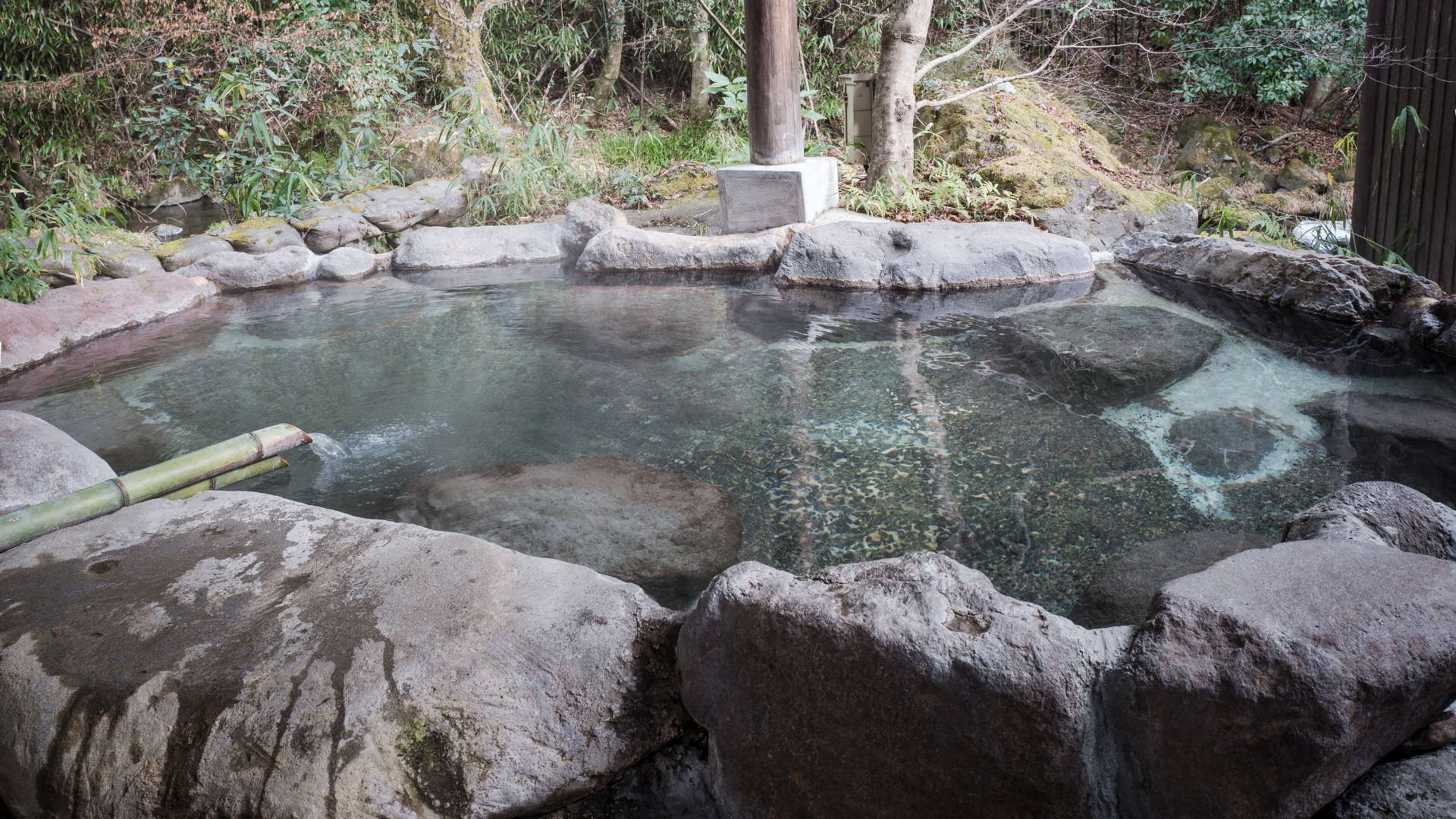
Step-by-Step Onsen Bathing Routine
Explore Kinosaki Onsen- 1. Enter the Correct Changing Room: Baths are separated by gender. The women’s side is marked 女 or 女湯 (often with red curtains), while the men’s side is marked 男 or 男湯 (often with blue curtains).
- 2. Undress Completely: Swimsuits are prohibited in traditional onsens. Place all clothing, towels, phones, and personal belongings into lockers or baskets in the changing area.
- 3. Wash at the Stool Stations: Sit down on the provided stool at a shower station. Scrub your body with soap, wash your hair, and thoroughly rinse away all lather before stepping near the bath.
- 4. Keep Towels Out of Water: Your small modesty towel must never touch the onsen water. Place it on top of your head or fold it on a dry rock beside the bath.
- 5. Soak Quietly & Dry Off: Enter the hot water slowly (temperatures range from 39°C to 42°C). Soak peacefully without splashing or swimming, and lightly dry off with your small towel before stepping back onto the changing room floor.
Navigating Tattoos and Selecting Your Bath Type
Historically, tattoos were associated with organized crime (yakuza) in Japan, leading many public onsens to enforce strict bans on tattooed guests. However, options exist for all travelers today:
Options for Tattooed Travelers & Shy Bathers
- Waterproof Cover Patches: If you have small, discrete tattoos, many facilities allow entry if the ink is completely covered with skin-colored waterproof tape.
- Tattoo-Friendly Public Onsens: Towns like Kinosaki Onsen in Hyogo and select public baths in major cities welcome guests with visible tattoos.
- Private Reservable Baths (Kashikiri-buro): Many ryokans offer private baths that can be reserved by individuals, couples, or families for 45 to 60 minutes. Tattoos are allowed in private baths.
- In-Room Private Onsen Baths: Premium ryokan rooms feature private indoor or outdoor balcony tubs fed by hot spring water, offering total privacy.

Public vs. Private Onsen Baths
Explore Hakone BathsPublic baths offer grand indoor halls and scenic outdoor landscape baths (rotenburo). However, if public nudity causes anxiety, choosing a ryokan with reservable private baths (kashikiri-buro) or an in-room open-air tub guarantees a peaceful soaking experience.
What to Expect During a Traditional Ryokan Stay
A ryokan stay runs at a calm, structured pace. From arrival to departure, hospitality revolves around seasonal dining, traditional design, and rest.
Tatami Etiquette & Yukata Robes
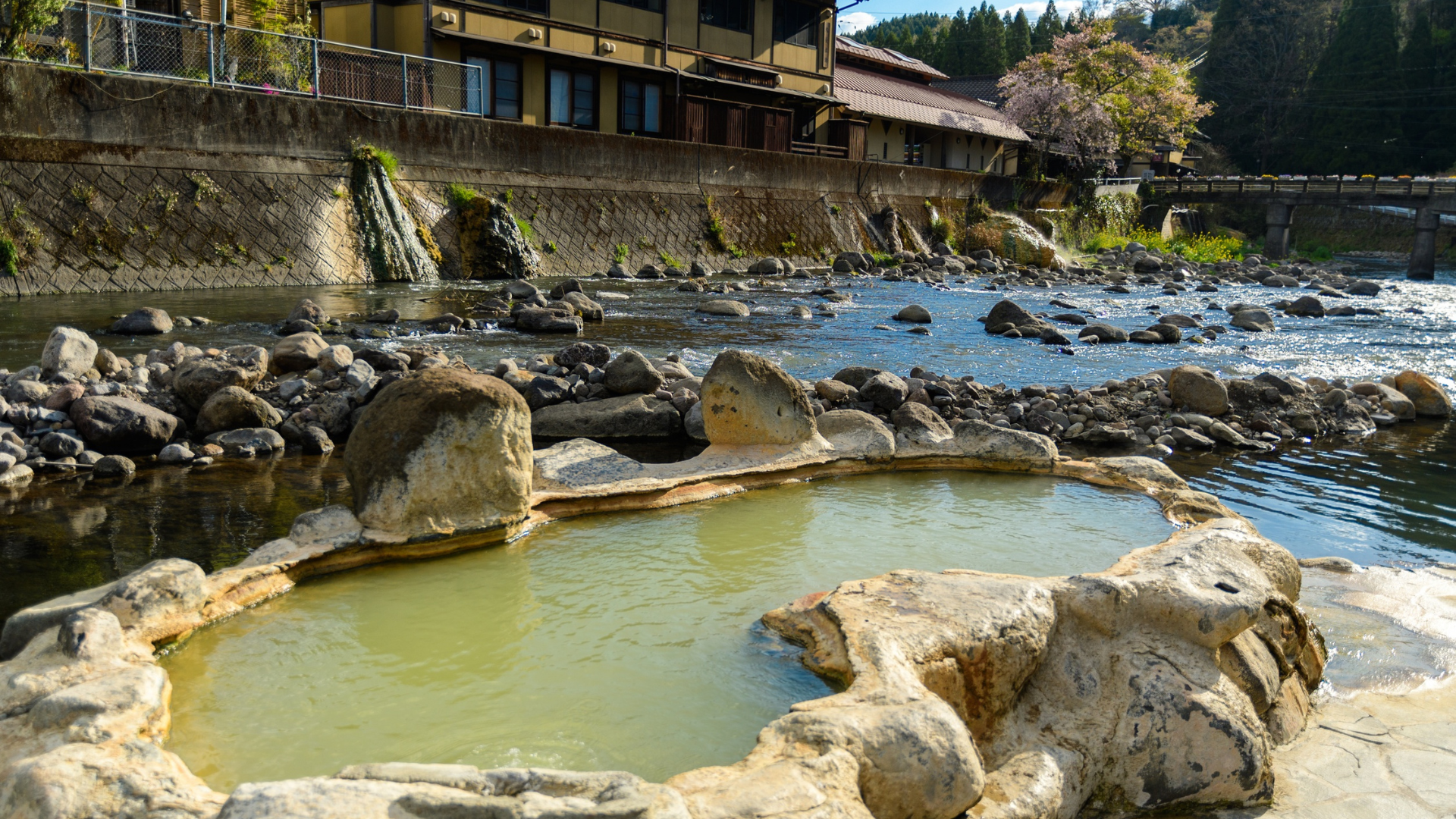
Explore Kusatsu OnsenRooms feature straw tatami mats, low dining tables, sliding paper doors (shoji), and decorative art alcoves (tokonoma). Always remove outdoor shoes at the entrance and wear bare feet or socks on tatami mats.
Wearing Your Yukata Correctly: Cotton yukata robes are provided for lounging, dining, and walking to the baths. Always wrap the left panel over the right panel across your body. Wrapping right over left is traditionally used to dress bodies for traditional funerals.
Kaiseki Dining & Futon Bedding
Dinner at a ryokan is typically Kaiseki (懐石)—a multi-course feast showcasing regional and seasonal ingredients. Courses may include fresh sashimi, grilled local river fish, seasonal tempura, Wagyu beef hot pots, simmered vegetables, miso soup, and local rice.
While you dine in the restaurant or your private room, ryokan staff enter your room to move the low table and lay out plush cotton futons on the tatami mats. In the morning, futons are neatly put away while you enjoy a traditional Japanese breakfast of grilled fish, rice, miso soup, and tofu.
Common First-Timer Mistakes to Avoid
Avoid These Common Onsen & Ryokan Errors:
- Arriving Late for Dinner: Ryokan kaiseki dinners are strictly timed (usually between 6:00 PM and 7:00 PM). Arriving late may result in forfeiting your dinner course without a refund.
- Taking Photos in Bath Areas: Cameras and smartphones are strictly banned in changing areas and bathing halls to protect guest privacy.
- Bringing Large Towels into Baths: Large bath towels remain in your changing room locker. Only take your small washcloth into the bathing area.
- Overheating: Onsen water is very hot. Limit initial soaks to 10–15 minutes, step out to rest, and stay hydrated by drinking water after bathing.
Frequently Asked Questions
What is the single most important rule when visiting a Japanese onsen?
The most fundamental rule of Japanese onsen etiquette is to thoroughly wash and rinse your entire body at the shower stations before entering the bathwater. Onsen pools are for soaking, not washing, and soap must never touch the shared thermal water.
What is the difference between an onsen and a ryokan?
An onsen is a natural thermal hot spring bath, while a ryokan is a traditional Japanese inn. Many ryokans feature onsen baths on-site, but you can also visit public onsen bathhouses without staying overnight at a ryokan.
Can travelers with tattoos enter a Japanese onsen?
Many traditional public onsens prohibit visible tattoos due to historical associations with organized crime. However, travelers with tattoos can cover small ink with waterproof patches, visit designated tattoo-friendly onsens, or reserve private baths (kashikiri-buro or in-room baths).
How do you correctly wear a traditional yukata robe at a ryokan?
When putting on a yukata, always wrap the left side over the right side across your chest. Wrapping right over left is traditionally reserved for dressing bodies for funerals and should be avoided.
Planning a Traditional Trip Across Japan?
Explore our complete master index of regional travel guides, traditional food roundups, castle town itineraries, and practical Japan travel tips.